Science
Study suggests prehistoric hunters targeted female mammoths more often
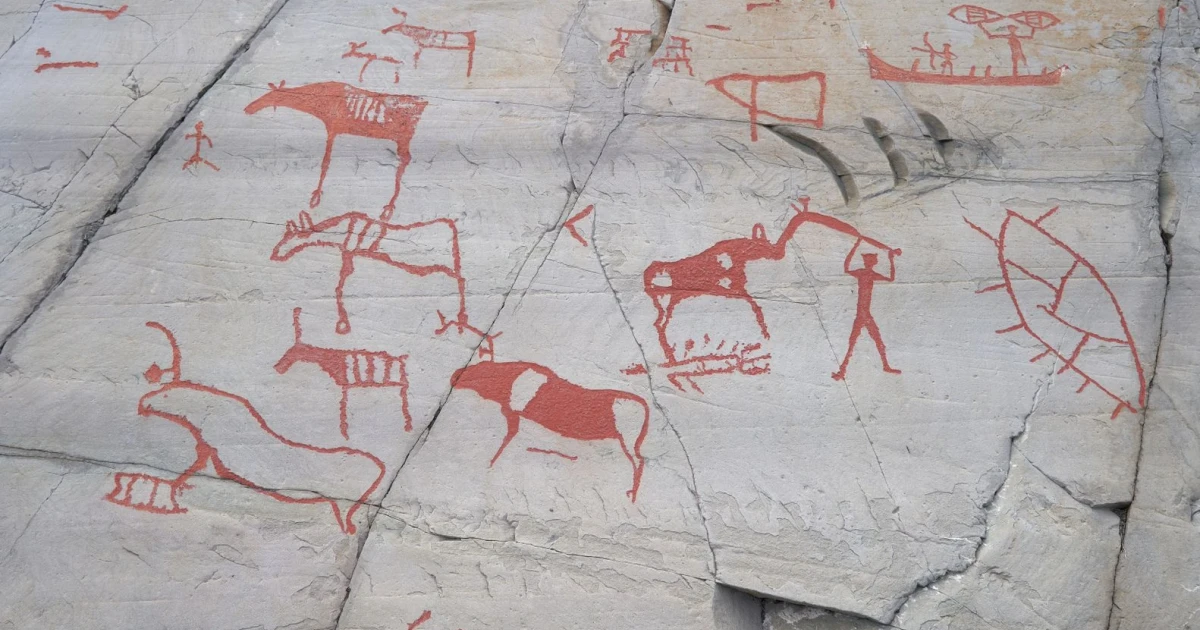
Ancient DNA from more than 500 mammoth bones suggests Ice Age hunters favored females, with about 70% of the bones from human accumulation sites coming from female animals. The pattern points away from random killing and toward a more deliberate hunting strategy that may have depended on knowing how mammoth herds moved, grouped and protected calves.
Researchers at the University of Alaska Fairbanks said the analysis examined DNA in over 500 ancient mammoth bones, while Stockholm University said an international team reached the same conclusion after studying ancient DNA from more than 500 specimens. The study was published in Current Biology and focused on mammoth bone accumulations associated with human activity, a setting that lets archaeologists compare what hunters killed with what animals were actually preserved at the site.
The female bias matters because female mammoths often traveled in family groups with calves. That made them easier to locate in predictable clusters, but it also meant hunters may have been selecting animals that were part of the reproductive core of the herd. If that is right, prehistoric hunters were not simply taking the nearest mammoth they encountered. They were reading behavior, weighing risk and exploiting herd structure in a way that suggests planning and social knowledge.
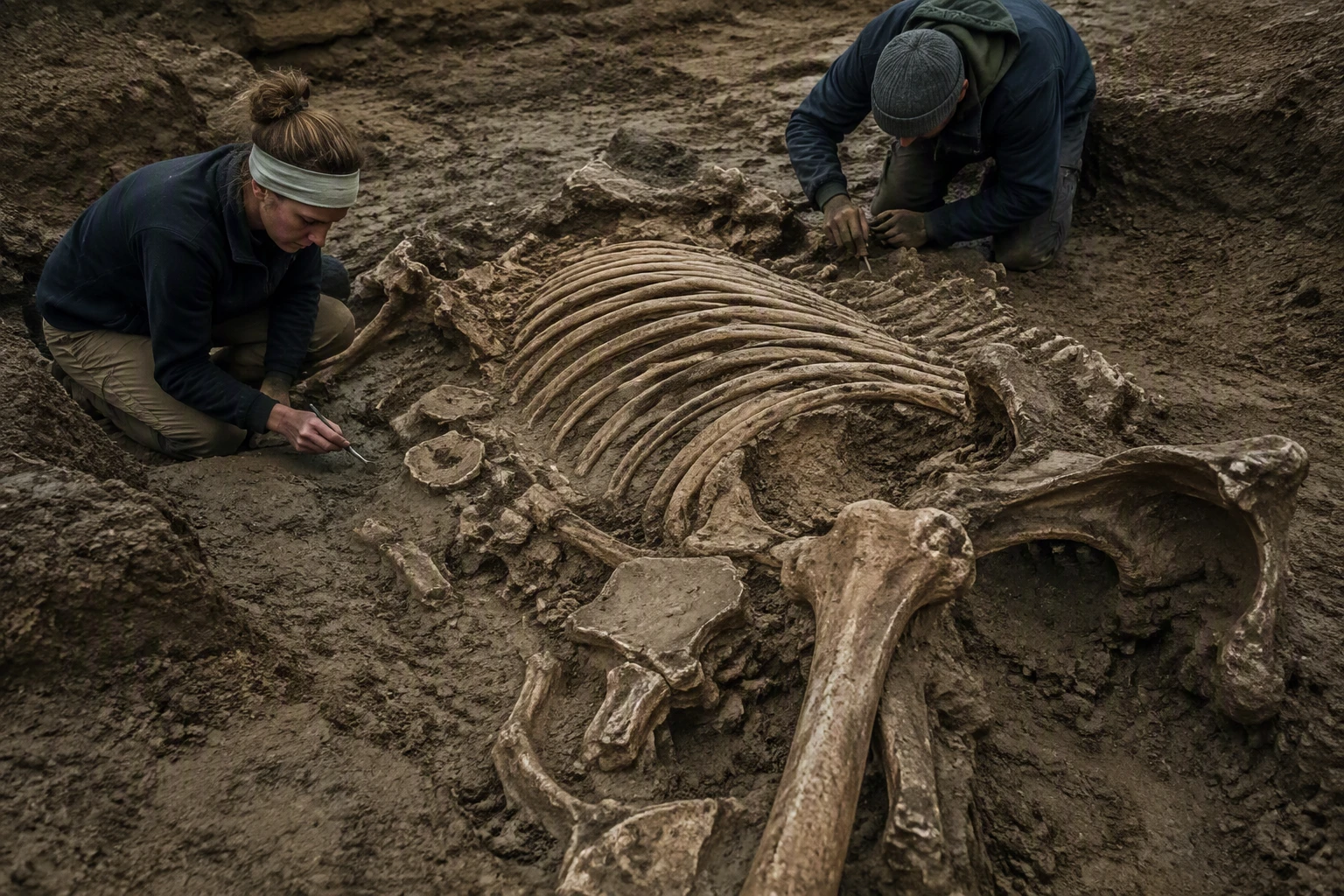
The strength of the finding comes from scale. A sample of more than 500 bones is unusually large for studies of Ice Age hunting, and it gives the DNA signal more weight than a handful of isolated remains would. Even so, the evidence speaks most directly to sites where humans left a clear mark. It does not capture every mammoth that lived across Eurasia and North America, but it does show that at some kill or accumulation sites, female animals dominated the remains.
That raises new questions about mammoth decline. For years, scientists have debated how much of the species’ disappearance came from human hunting and how much came from climate and other ecological pressures. In 2015, a genome study deepened the mystery around what doomed Earth’s last mammoths, and in 2024, genome research on 14 Wrangel mammoths and seven mammoths from a Siberian mainland population added more context. The new sex-bias finding pushes that debate toward a more specific view of human pressure: not just hunting mammoths, but selectively removing females from the herds that kept them reproducing.
Sources
- [1]reuters.com
- [2]uaf.edu
- [3]su.se
- [4]realclearscience.com