Health
Study warns nicotine vaping may directly raise cancer risk
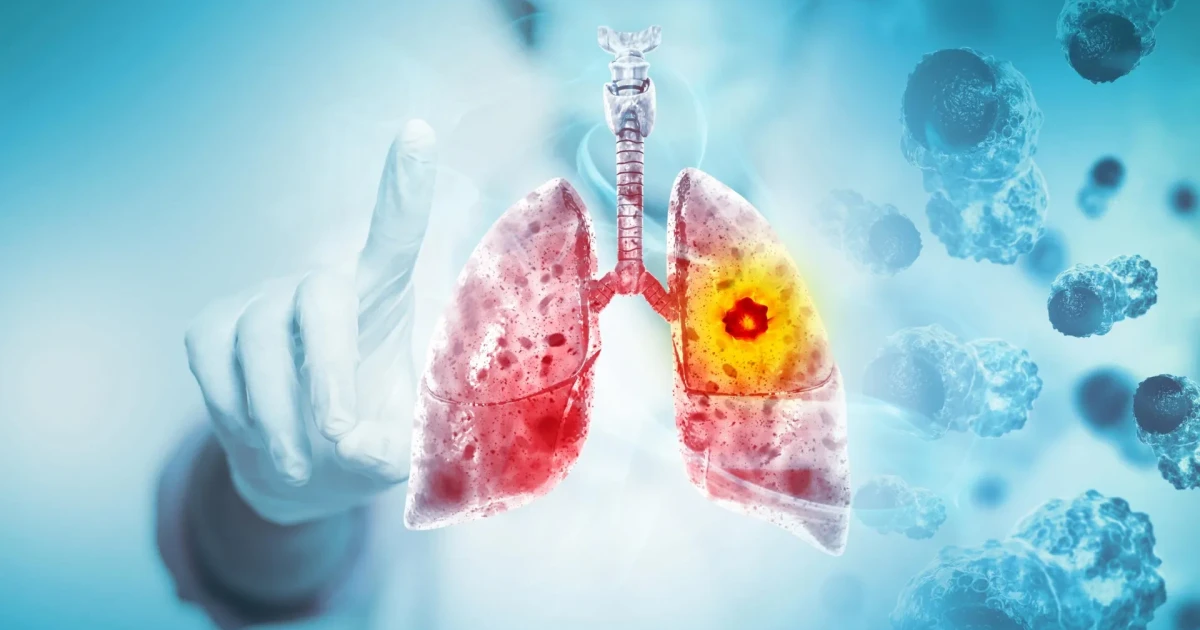
Nicotine vaping is moving from a presumed lesser evil to a possible direct cancer threat. A University of New South Wales-led review released on 31 March 2026 concluded that nicotine-based e-cigarettes are likely to cause lung cancer and oral cancer, a finding that could harden regulation just as vaping remains widespread among young Australians.
The review, published in Carcinogenesis, pulled together evidence from more than 100 studies and examined research published between 2017 and 2025. It drew on mouse studies, human biomarker work, case reports and chemical analyses of nicotine-based vapes, then judged that all ten WHO and IARC-style early evidence characteristics for causation had been fulfilled. The assessment was qualitative and did not calculate a numeric risk estimate, but the authors said the convergence of laboratory, animal and clinical evidence was too consistent to dismiss.
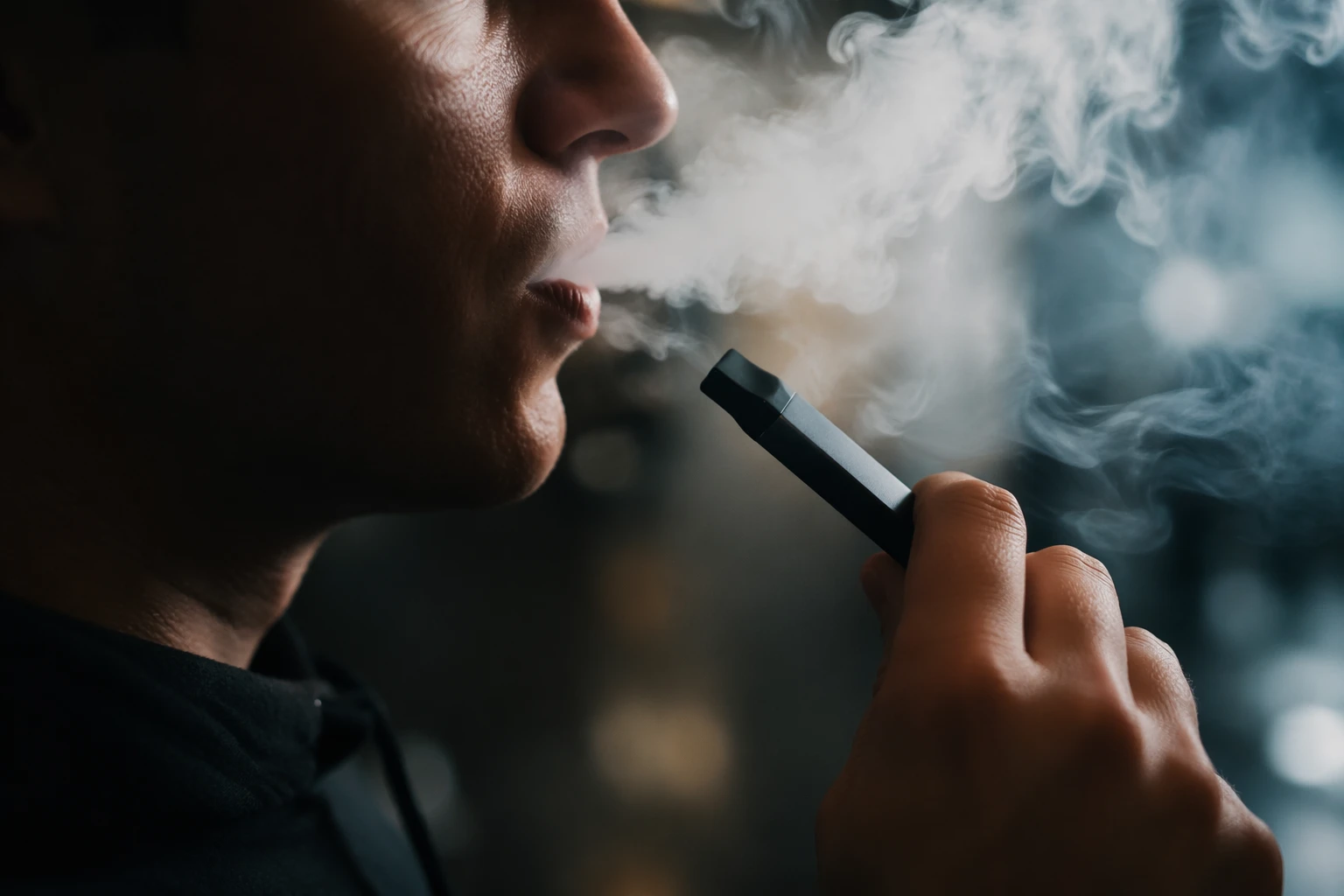
That matters because the debate over vaping has long rested on a single comparison: whether e-cigarettes are safer than combustible tobacco. The UNSW team instead asked whether vaping can independently drive cancer-causing processes. Bernard Stewart, the review’s lead author, said the paper considered whether vapes on their own can cause cancer and noted that there have been remarkably few studies on vaping causing cancer in its own right. ABC News reported that the researchers found vaping could no longer be considered safer than smoking and called for stronger enforcement against incorrectly labelled black-market vapes.
The new paper also sits inside a broader Australian shift. UNSW and the Clinical Oncology Society of Australia had already argued in August 2025 that nicotine-based e-cigarettes are likely carcinogenic to humans and likely to cause lung and oral cancer. That earlier report cited a United States epidemiological study in which dual users were about four times more likely to develop lung cancer on top of the 13-fold risk from smoking alone, with more than 97% of the people who vaped in that cohort also smoking and unable to quit either habit.

The policy stakes are high. Australia’s federal vaping rules took effect from 1 July 2024, with additional pharmacy access rules from 1 October 2024, limiting sales to pharmacies for smoking cessation or nicotine dependence management. The Australian Institute of Health and Welfare says current vaping among Australians aged 14 and over nearly tripled from 2.5% in 2019 to 7.0% in 2022-2023, while lifetime use reached 49% among 18- to 24-year-olds and 28% among 14- to 17-year-olds. The World Health Organization says e-cigarettes emit toxic substances including nicotine and carcinogens, and Cancer Council Australia says one vape can contain as much nicotine as 50 cigarettes.
Sources
- [1]sciencedaily.com
- [2]unsw.edu.au
- [3]abc.net.au
- [4]health.gov.au
- [5]aihw.gov.au
- [6]who.int
- [7]cancer.org.au
- [8]academic.oup.com