Science
Study warns spacecraft exhaust could contaminate lunar ice deposits
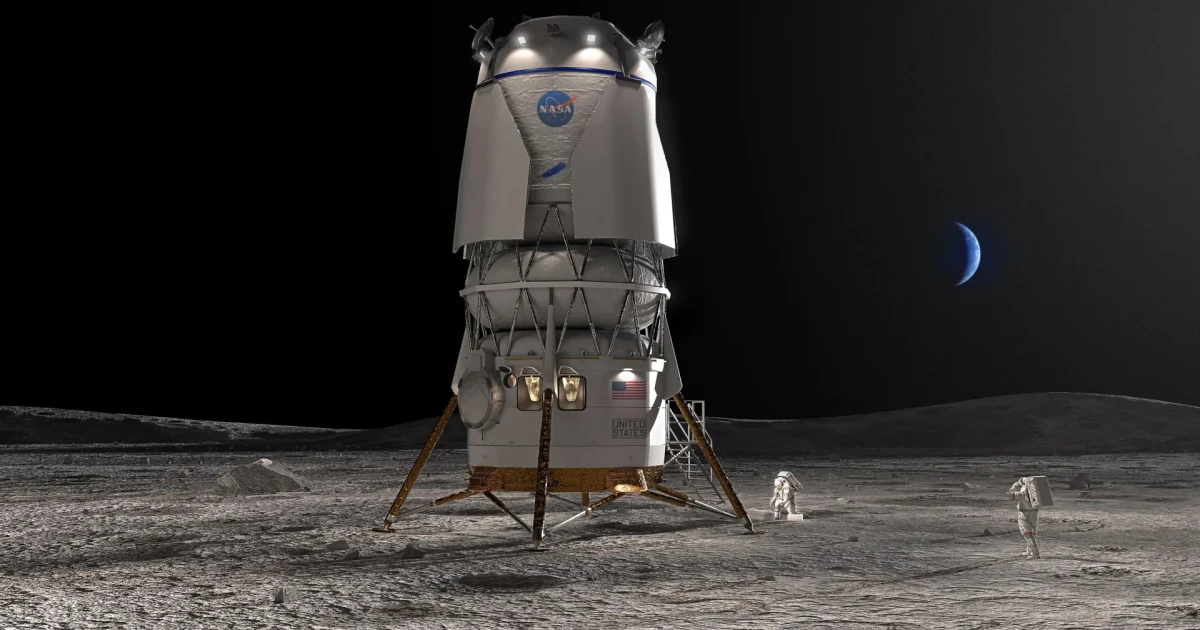
More than half of the methane exhaust from lunar spacecraft could drift into areas of the Moon that may hold clues to the origins of earthly life, a new American Geophysical Union study warned. The researchers found that methane released during landings could move across the lunar surface far faster than expected, even reaching the north pole in less than two lunar days after a landing near the south pole.
The concern centers on permanently shadowed craters near the poles, where temperatures are cold enough to preserve ancient ice and organic material. Those deposits are among the most scientifically valuable targets on the Moon because they may record how volatiles arrived there and what chemistry shaped the early solar system. If exhaust spreads into those traps, it could complicate later attempts to read that record.
The finding lands as lunar activity accelerates. NASA identified 13 candidate landing regions near the lunar south pole in 2022 and later narrowed Artemis III planning to nine potential regions in 2024. The agency has said the south pole is a priority because permanently shadowed regions may contain water ice and other volatiles that future crews and robots could use.
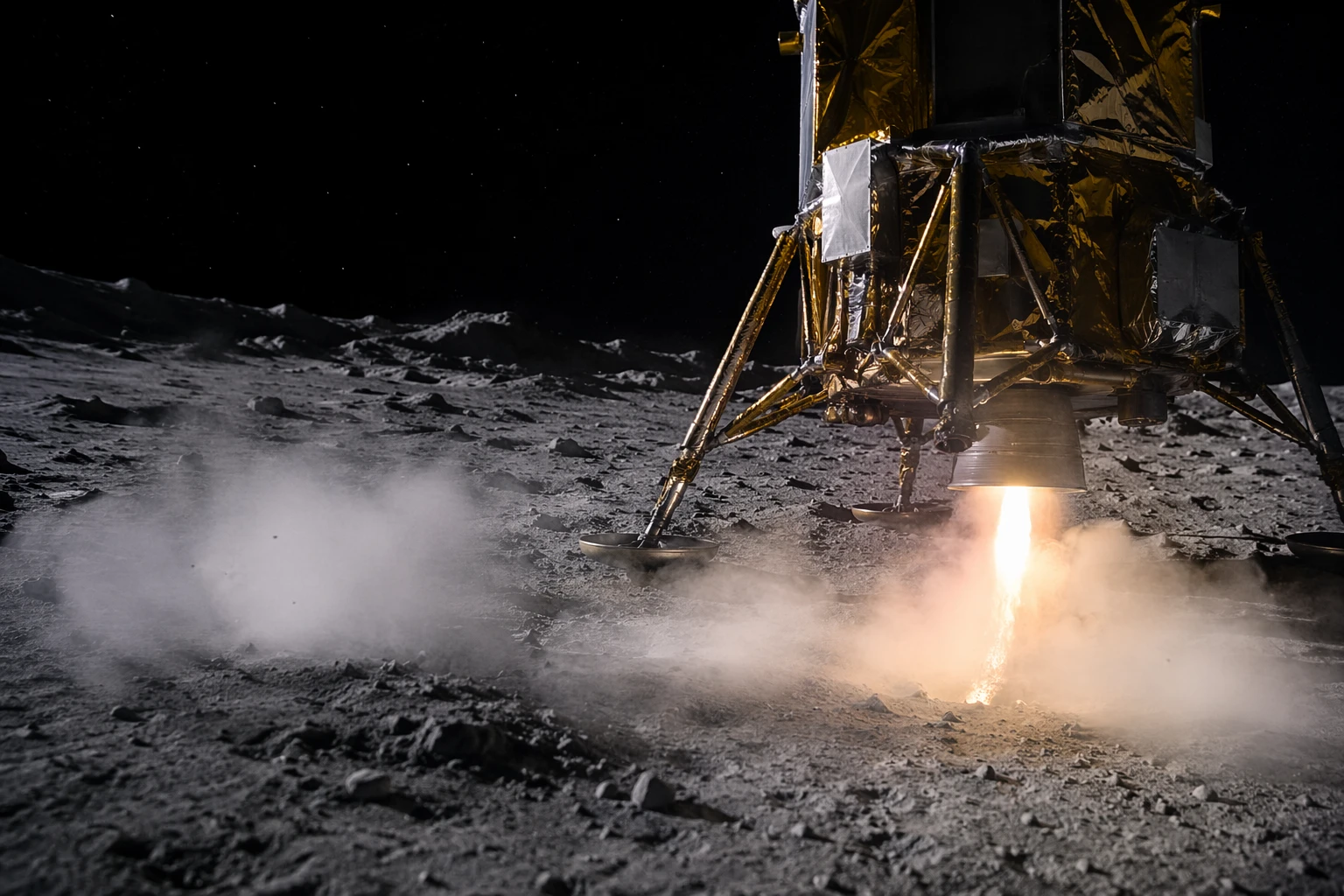
NASA’s own observations have reinforced the stakes, while also underscoring how much remains unknown. The agency has said ice deposits appear widespread in permanently shadowed regions, but scientists still cannot accurately determine their total volume or whether some deposits lie buried beneath dry regolith. That uncertainty makes contamination harder to manage, because researchers may not know where the most pristine materials remain.
The mission record shows how tightly exploration and preservation are now linked. NASA ended the VIPER rover project in 2024, then said it would pursue alternative methods to verify ice at the lunar south pole. The agency also said PRIME-1 was scheduled to land there in the fourth quarter of 2024 to search for water ice and measure volatile content. NASA’s ShadowCam was built to image permanently shadowed regions and help with Artemis site selection and exploration planning.
European and U.S. science missions are pressing deeper into the same terrain. ESA says its VMMO mission aims to detect water ice and other volatiles in shadowed polar regions with better than 2% mass-fraction precision and better than 10-meter resolution. A 2026 Nature paper has also said it remains unclear how impacts disturb volatiles in permanently shadowed lunar regions.
Together, those efforts point to a narrow margin for error. As governments, companies and research groups prepare more landings, the question is no longer whether the Moon will be visited again, but whether current mission plans and planetary-protection rules can prevent spacecraft exhaust, dust and impact disturbance from rewriting the evidence scientists hoped to find.
Sources
- [1]sciencedaily.com
- [2]news.agu.org
- [3]nasa.gov
- [4]science.nasa.gov
- [5]esa.int
- [6]nature.com
- [7]arxiv.org