Entertainment
Sturgeon joins cast simulating Russian attack on the UK
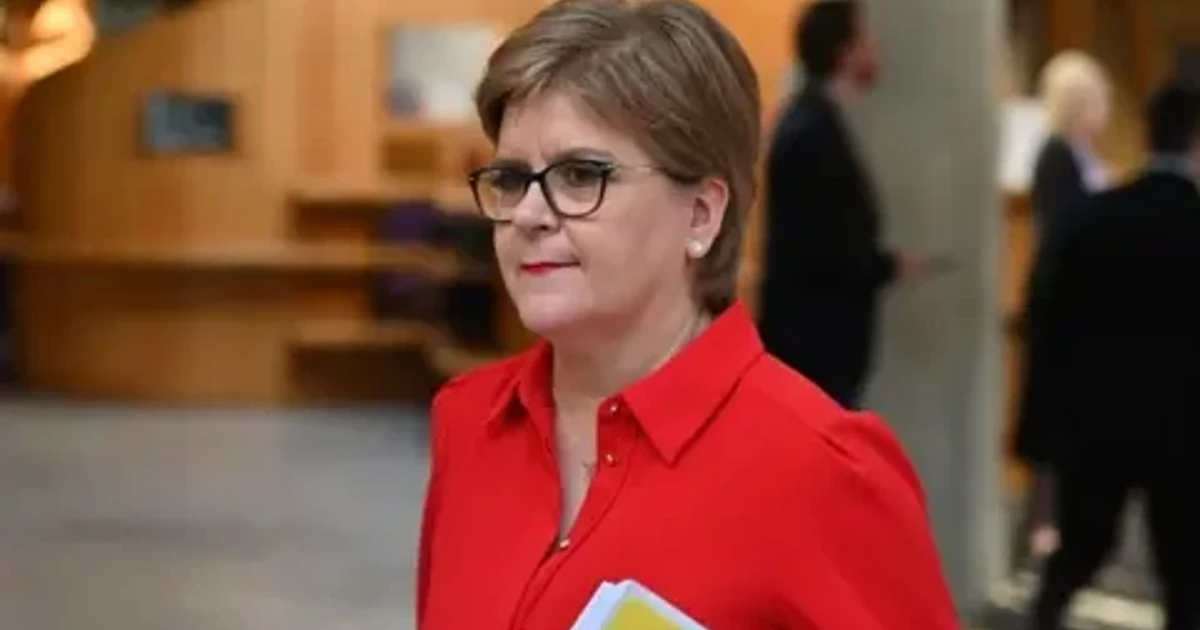
Nicola Sturgeon has been cast as deputy prime minister in a televised simulation of a Russian attack on the UK, a project that puts some of Britain’s most recognisable political figures inside a sealed Cobra-style crisis room to test how the country might respond. The four-part Sky series, The Wargame, will place Michael Gove in the role of prime minister and Penny Mordaunt as defence secretary, turning a fictional security emergency into a very public stress test of judgment, coordination and nerve.
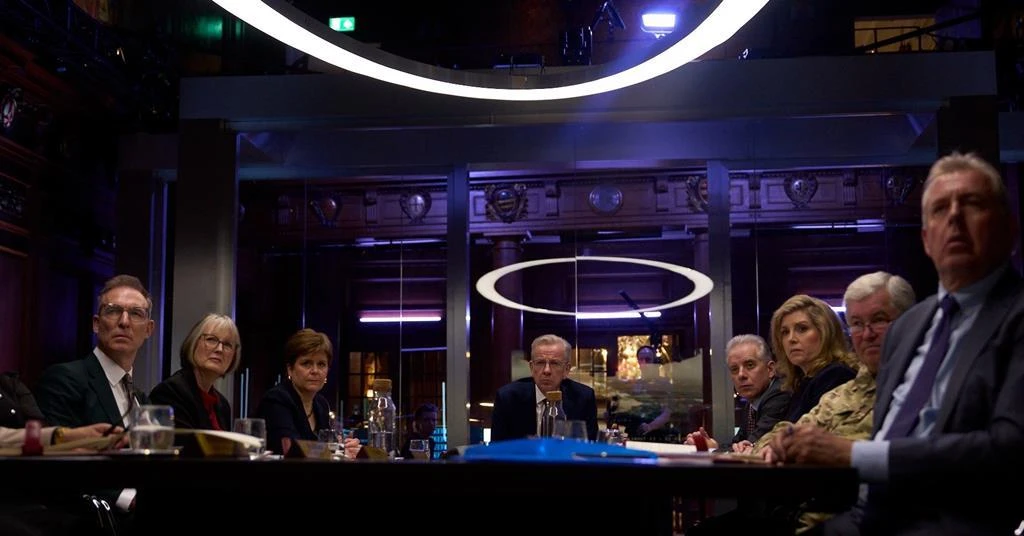
The format is starkly drawn. A team of senior politicians, military leaders and intelligence figures will be locked into the crisis room as Russia launches a fictional strike on UK soil, forcing them to react under pressure with limited information and no escape from the scenario. Sky says the series will air later in 2026, building on the premise of the original podcast, which set the action on Monday 6 October 2025 with a Russian missile strike against the UK.
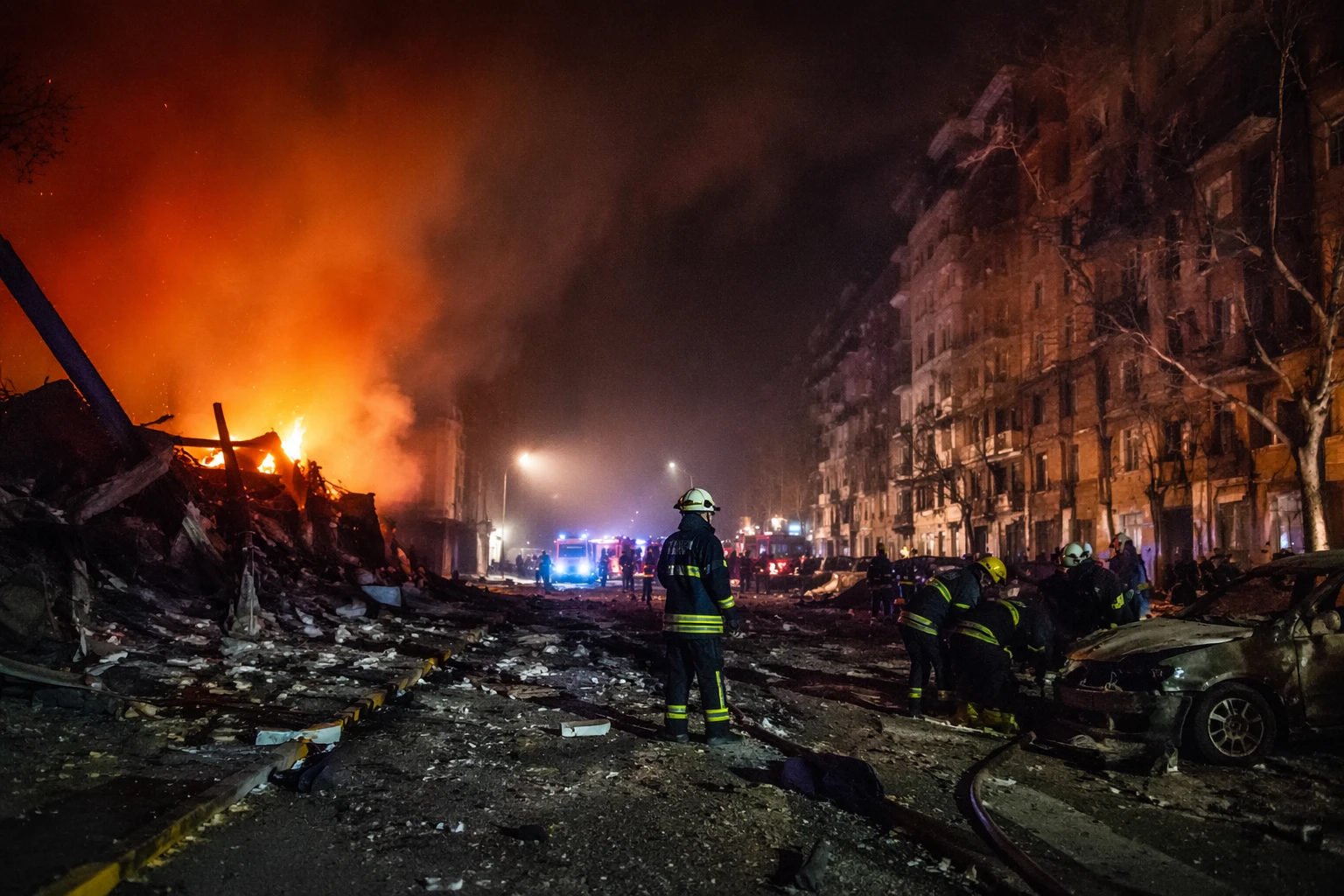
The cast stretches well beyond Sturgeon, Gove and Mordaunt. Harriet Harman, Jim Murphy, Sayeeda Warsi and Ayesha Hazarika are among the political figures taking part, alongside General Sir Richard Barrons, Kim Darroch, Christopher Steele, Lord George Robertson and Anthony Scaramucci. Opposing them will be a team of Russia experts led by Keir Giles, making the project less a drama than a structured contest between policymakers and specialists over how Britain should think about escalation, deterrence and national resilience.
That matters because the exercise is arriving at a moment when Russia threats are no longer treated in Westminster as a purely abstract risk. Sturgeon’s presence is especially loaded: her long and often bitter history with Gove gives the casting a political edge, while Gove himself previously attacked Alex Salmond over his association with Russian state broadcaster RT after Russia’s full-scale invasion of Ukraine. Sturgeon also publicly condemned Vladimir Putin’s “unprovoked, imperialist aggression” in 2022 and said Scotland was ready to take 3,000 Ukrainian refugees immediately as a “super sponsor”.
The result is a rare blend of preparedness and performance. The series may help viewers understand how fragile decisions could look in the first hours of a crisis, but it also raises a more uncomfortable question: whether turning war-gaming into prime-time television sharpens public awareness or simply normalizes the idea that Britain must now live with the routine prospect of direct confrontation.
Sources
- [1]bbc.com
- [2]news.sky.com
- [3]skygroup.sky
- [4]independent.co.uk
- [5]telegraph.co.uk