Science
Suckerfish Found Inside Manta Rays Surprise Scientists
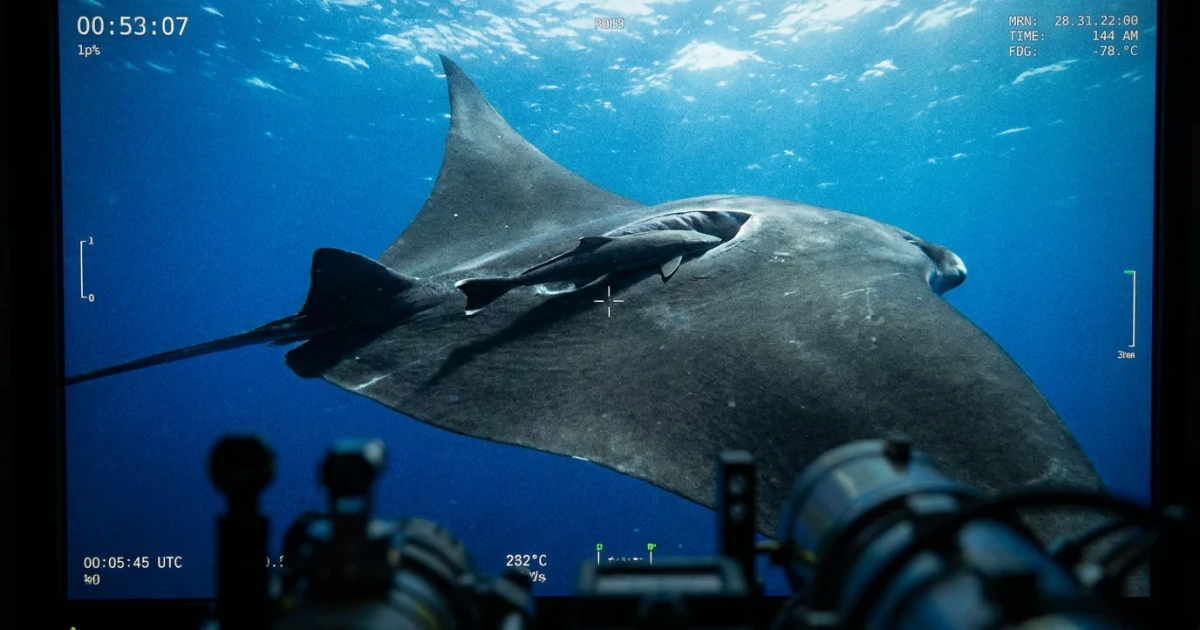
Scientists have uncovered a fascinating and unexpected association in the marine world: suckerfish, also known as Remora remora, are not just hitching rides on the outsides of large ocean creatures, but some have been found living inside the cloaca—the posterior opening—of manta rays. This discovery has prompted curiosity and debate among researchers about the nature and purpose of this unusual relationship.
Remoras and Their Unconventional Habitat
Remoras are famed for their ability to attach themselves to bigger animals like sharks, whales, and rays using a specialized suction disc on their heads. Traditionally, these fish have been understood as commensals, benefiting from their hosts by gaining mobility, protection, and access to food scraps without harming their host. However, a recent study has documented remoras residing inside the cloaca of manta rays—a behavior not previously described in scientific literature.
This unexpected location has led to playful speculation—what exactly are these fish doing in there? As Defector humorously put it, the question remains: "What Are You Doing In There, Fish?" The study, first highlighted by The New York Times and referenced by Defector, points to a novel commensal association between the two species.
What Is the Cloaca?
The cloaca is a common cavity at the end of the digestive and reproductive tracts in many vertebrates, including manta rays. For remoras to inhabit such a space suggests a unique adaptation or a new ecological niche. The researchers observed remoras entering the cloaca during dives and, in some instances, remaining inside for extended periods.
Potential Benefits and Risks
- Protection: The cloaca may offer remoras a safe haven from predators, with the host's body providing a shield.
- Food Access: Remoras could be gaining access to food particles or waste inside the cloaca, though the exact nutritional benefits are unclear.
- Risks: Scientists note there is little evidence that this behavior harms the manta ray, but more research is needed to understand any potential impacts on the host’s health or reproductive processes.
According to the IUCN Red List, Remora remora is considered a species of "Least Concern" due to its wide distribution and lack of significant threats. Manta rays, meanwhile, are more vulnerable, facing pressures from fishing and habitat loss, making the dynamics of their relationships with other species especially important to understand.
What Do We Know About Manta Rays?
Manta rays are gentle giants that play crucial roles in ocean ecosystems. The Manta Trust notes that manta rays are often accompanied by various commensal organisms, including remoras, but the cloacal association is a recent and surprising addition to their known symbiotic partners.
Questions for Future Research
- Why do some remoras choose the cloaca over external attachment?
- Are there long-term effects on manta ray health or behavior?
- Is this behavior widespread or limited to certain regions or populations?
The discovery has opened new avenues for marine biology, with researchers eager to conduct further studies to decipher the ecological significance of this relationship. As the Defector article suggests, there is much to learn about "what are you doing in there, fish?" and whether this is a quirky adaptation or a sign of deeper evolutionary strategies.
Conclusion
While the sight of a suckerfish inside a manta ray’s cloaca may prompt amusement and wonder, the underlying science offers a glimpse into the complexity of ocean symbiosis. The next steps for researchers will be to document more occurrences, explore the underlying motivations, and assess any effects on both species. For now, this discovery stands as a reminder that even familiar marine animals can surprise us with their hidden habits.