Health
Sugar gum after beetroot juice may briefly lower blood pressure
Sugar-containing bubble gum briefly amplified beetroot juice’s blood-pressure effects in a small study of 14 healthy volunteers, nudging both nitrite levels and blood pressure in a way researchers say points to the mouth as an active part of cardiovascular chemistry. The findings, published online June 18, 2026, in the British Journal of Clinical Pharmacology, center on a simple idea: nitrate from foods such as beetroot, spinach and kale has to pass through oral bacteria before the body can turn it into compounds that relax blood vessels.
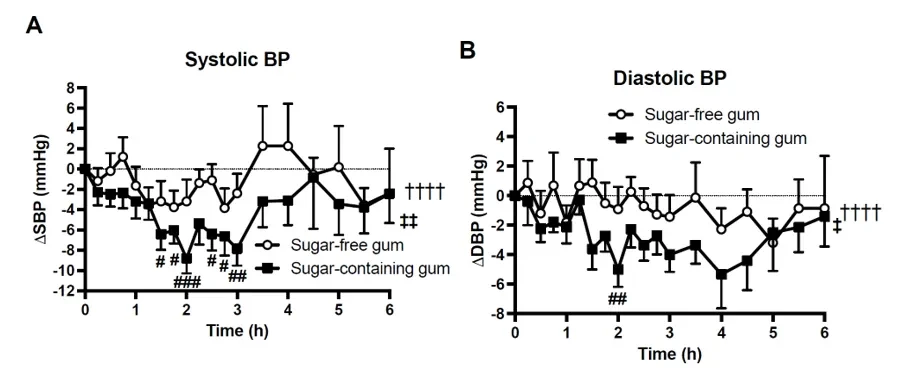
The King’s College London team tested that pathway in a 7-hour crossover study. Each participant drank a 70-mL shot of Beet-It® beetroot juice containing about 400 mg of nitrate, then chewed either sugar-containing acidic bubble gum or sugar-free non-acidic gum for three to six hours. The alternate gum was used on a second visit at least a week later. Sugar gum lowered salivary pH by 1.4 units, increased salivary nitrite production by 45% and raised plasma nitrite by 25%. It also produced a temporary drop in blood pressure of 2.7 mmHg systolic and 1.9 mmHg diastolic.
Andrew J Webb, a clinical senior lecturer in cardiovascular and metabolic medicine and sciences at King’s College London and honorary consultant physician at Guy’s and St Thomas’ Hospital NHS Foundation Trust, said, "this process has not been studied much." His point goes to the heart of the paper: the enterosalivary circulation, in which nitrate is concentrated in saliva, reduced by oral bacteria to nitrite, then further converted to nitric oxide, depends on chemistry in the mouth as much as on the food on the plate.
The work builds on earlier King’s-led research that found grapefruit juice with beetroot juice reduced salivary acidity and inhibited nitrate-to-nitrite conversion, even as it enhanced beetroot juice’s systolic blood-pressure-lowering effect. In the new experiment, the researchers used sugar-containing Hubba Bubba® and sugar-free Wrigley’s Extra®, showing that a small change in oral pH could alter how efficiently the body uses dietary nitrate.

The researchers were careful not to frame the result as a reason to replace healthy foods with candy. They said more work is needed before anyone treats the finding as public-health advice, but they argued it could eventually inform low-cost ways to strengthen the blood-pressure benefits of plant-based diets, and perhaps help explain why the nitrate-nitrite-nitric oxide pathway is also studied for exercise performance.