World
Suicide bomber kills 14 at anti-militant rally in Pakistan
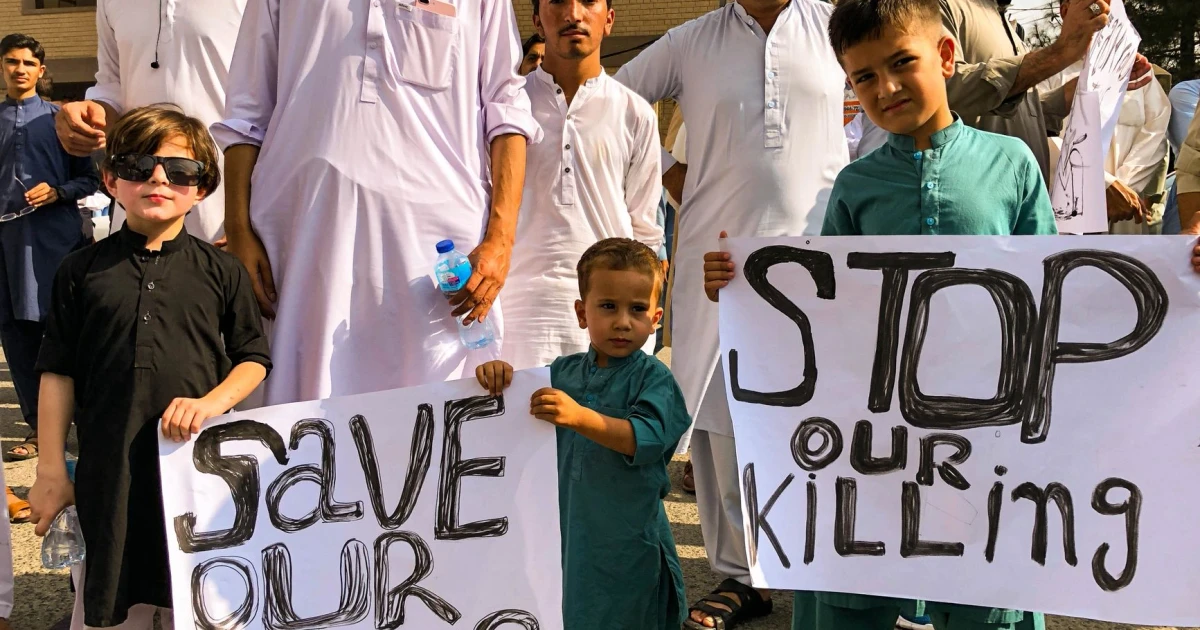
A suicide bomber struck an anti-militant rally in northwestern Pakistan, killing at least 14 people and wounding many more in Kabal, a town in the Swat Valley of Khyber Pakhtunkhwa province. The attack hit a crowd gathered publicly against extremist violence, turning a peace protest into one of the deadliest blasts in the area this year.
Police officers were seen examining the site after the bombing, and an ambulance carried injured victims to hospital, according to images from the scene. The blast took place on Sunday in Kabal, in the Swat district, a region long associated with militant activity and heavy security operations.
Casualty counts varied in the first wave of reporting. CNN said the bombing killed at least 14 people, mostly civilians and police officers, and wounded more than two dozen others. A Reuters-distributed account carried by The Jerusalem Post said 14 were killed and 18 were wounded in the suspected suicide attack outside a police station in Swat. One early video summary put the death toll at 13.
Some accounts said the attacker tried to enter Kabal Police Station before being stopped by security personnel and detonating the explosive vest outside. That detail points to the bomber’s target: not a random crowd, but a rally organized to oppose militancy in an area where civilians and police remain exposed to retaliation.
The strike lands in a province where violence has been rising sharply. An ACAPS report dated June 12, 2025 said violent incidents in Pakistan more than doubled, from 517 in 2023 to 1,099 in 2024, and warned that non-state armed group violence was expanding in both intensity and geographic reach. Against that backdrop, an attack on an anti-militant rally suggests armed groups still retain the ability to reach civic gatherings in the northwest despite years of military pressure.
The bombing also raises the costs of speaking out. Community leaders, activists and residents who gather to oppose extremism now face the risk that public resistance itself can become a target. In Swat, where the state has repeatedly fought militants and sought to restore normal life, the attack is another sign that counterterror gains remain fragile and that the politics of defiance can still be punished with lethal force.
Sources
- [1]apnews.com
- [2]wtop.com
- [3]chron.com
- [4]cnn.com
- [5]aljazeera.com
- [6]jpost.com
- [7]acaps.org