Business
Summer electricity bills expected to climb 10.5% nationwide in 2026

Electricity bills are headed higher across the country as summer heat collides with stubbornly rising power prices, pushing average household spending to about $792 this year from $717 in 2025. The 10.5% jump comes as cooling costs have climbed nearly 40% since 2020, turning air conditioning into a bigger household expense for families already stretched by inflation and utility debt.
The sharpest burden is expected in the West South Central region, which includes Texas, Oklahoma, Arkansas and Louisiana, where households are projected to face the nation’s highest average summer electric bills. The report also points to large increases in the Mountain and South Atlantic regions, showing that the pain is not confined to one climate zone. Hotter summers are forcing households to run cooling systems longer and more often, while electricity itself is getting more expensive.
“Families are getting hit from both sides,” said Mark Wolfe, executive director of the National Energy Assistance Directors Association. That squeeze is already visible in the numbers: one in six U.S. households is behind on utility bills, utilities disconnected electric service about 13.5 million times in 2024, and nearly 40% of households earning less than $50,000 say they have trouble paying energy bills.
The financial strain is expected to deepen. Total utility debt is projected to reach roughly $25 billion by the end of 2026, underscoring how quickly unpaid balances can build when summer bills spike. The report argues that low-income customers are especially exposed because they have less room to absorb higher rates, less access to efficient cooling equipment and, in many cases, greater exposure to extreme heat.
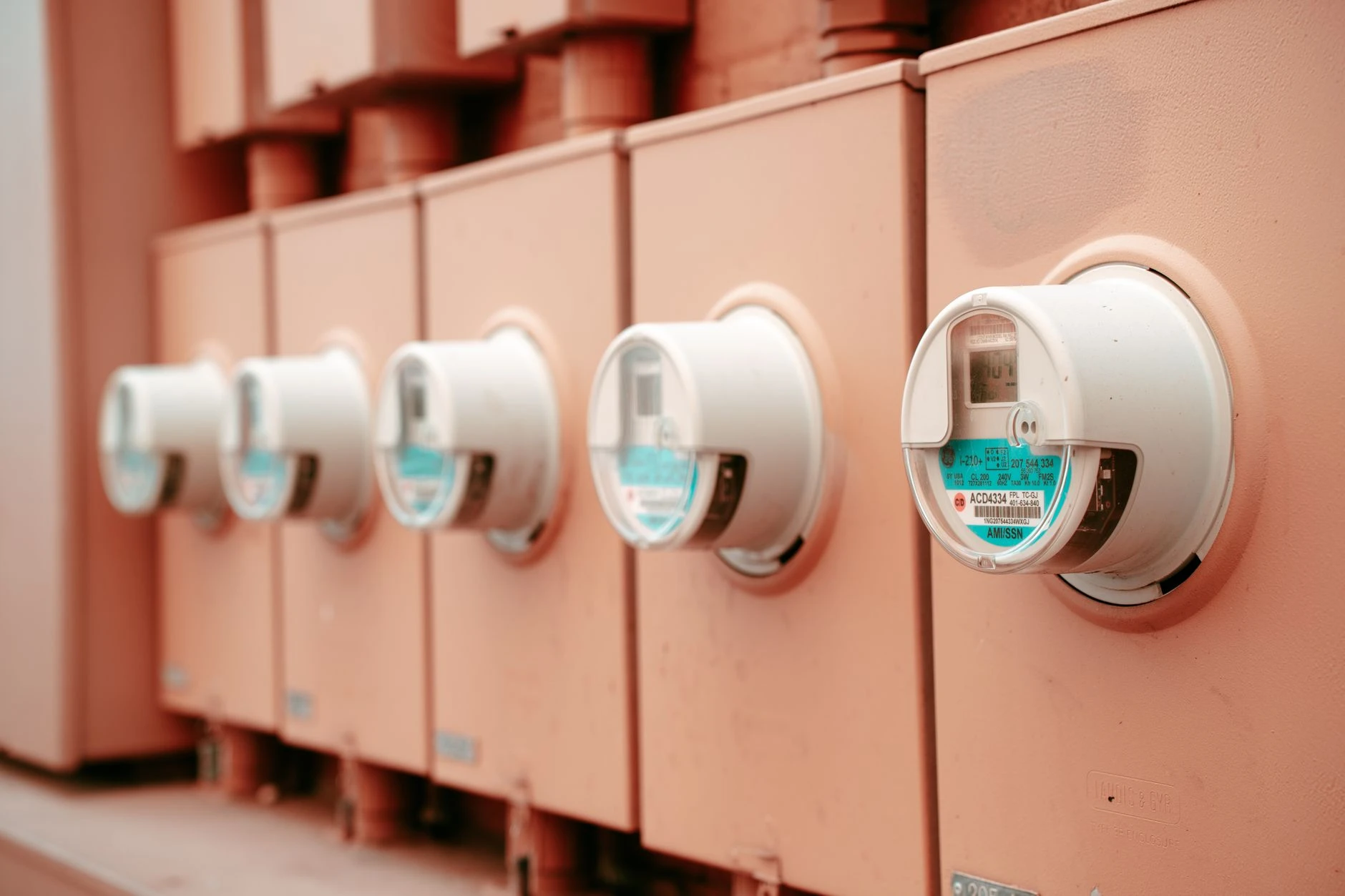
The U.S. Energy Information Administration has separately said retail electricity prices have risen faster than inflation since 2022 and are expected to keep increasing through 2026. The agency says utilities have boosted capital spending to replace or upgrade aging generation and delivery infrastructure, helping push prices higher. It also projects the nominal U.S. average electricity price will rise 13% from 2022 to 2025. For summer 2025, the EIA said average monthly residential bills from June through September were expected to be $178, up from $173 the previous summer.
Weather remains the biggest uncertainty in any summer forecast, and the agency warned that hotter-than-normal conditions would lift bills further, especially in southern states. In response, NEADA is pressing Congress to increase Low Income Home Energy Assistance Program funding to $7 billion for fiscal 2027 and urging states to strengthen consumer protections and expand cooling aid. For millions of households, the next bill may decide how much relief they get from a summer that is already expensive before it begins.
Sources
- [1]cbsnews.com
- [2]neada.org
- [3]eia.gov