Science
Sun Emits Mystery Radio Signal for 19 Consecutive Days
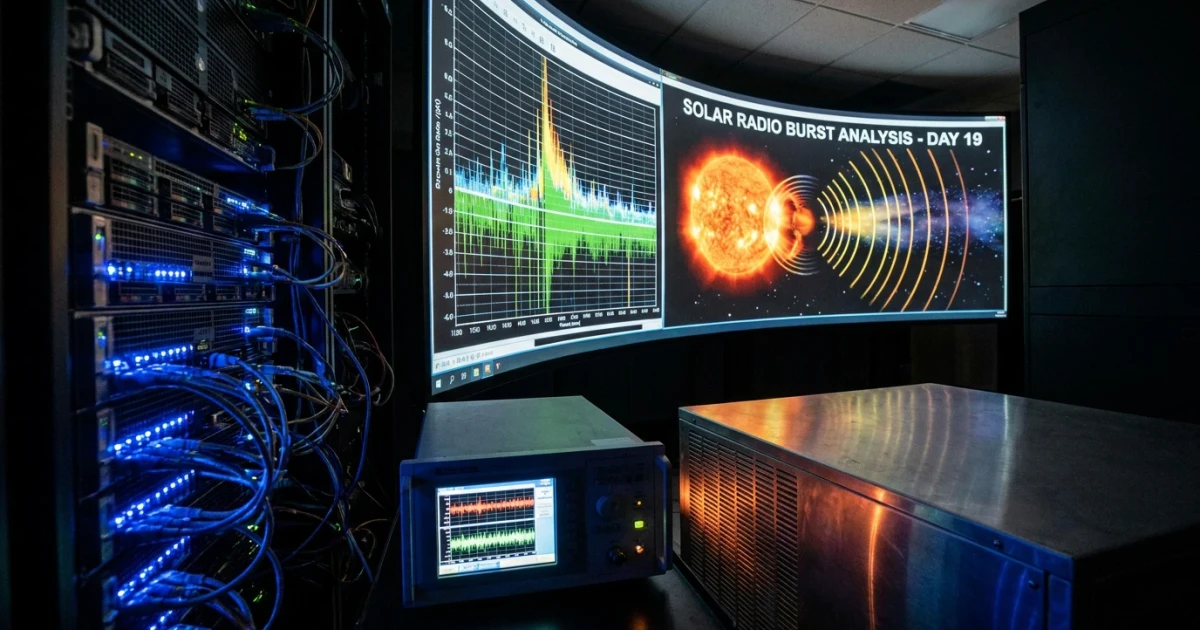
Scientists have confirmed the Sun produced a mysterious and record-breaking radio signal for 19 consecutive days, captivating solar researchers and raising new questions about the dynamics of our closest star. The event, first highlighted by Gizmodo and confirmed by NASA, marks one of the longest sustained solar radio emissions ever recorded, providing a rare opportunity to study the processes behind solar activity.
Unprecedented Solar Event Captured by Multiple Spacecraft
In early 2024, multiple solar-observing spacecraft—including NASA’s Solar Dynamics Observatory and the Parker Solar Probe—detected a strong and persistent radio burst emanating from the Sun. According to NASA’s official summary, the event lasted a staggering 19 days, far exceeding the typical duration of solar radio bursts, which usually last from a few minutes to several hours.
- Duration: 19 days of continuous radio emission
- Type: Long-duration radio burst, distinct from typical short-lived solar outbursts
- Detection: Data gathered by several international missions, including NASA and ESA probes
Detailed analysis of the event is ongoing, with preliminary findings published in Nature Astronomy suggesting this was a rare, large-scale event possibly linked to complex magnetic activity on the Sun’s surface.
What Are Solar Radio Bursts?
Solar radio bursts are emissions of radio waves caused by intense activity in the Sun’s atmosphere. These events are often associated with solar flares or coronal mass ejections, but the recent 19-day event stands out for its duration and strength. NASA explains that radio bursts can disrupt space weather and affect communications and navigation systems on Earth.
- Solar radio flux data is monitored daily to assess potential impacts on satellite operations and aviation.
- The GOES X-ray flux is also tracked in conjunction with radio bursts to understand overall solar activity levels.
While solar radio bursts are not uncommon, their intensity and persistence can provide insights into the underlying magnetic mechanisms driving solar storms.
Implications for Space Weather and Earth
According to NASA and experts cited by Gizmodo, such an extended burst could have implications for both science and technology. Sustained radio emissions can interfere with radio communications, GPS signals, and even power grids during high-intensity events. Fortunately, no major disruptions were reported during this particular episode, but the event serves as a reminder of the potential risks posed by the Sun’s variable behavior.
Scientists are using advanced models to analyze the solar cycle progression and to predict future events of similar scale. This research is crucial as the Sun approaches its expected activity peak in the current solar cycle, when such phenomena could become more frequent.
Continuing Questions for Solar Science
The 19-day radio burst has prompted renewed interest in understanding how the Sun’s magnetic fields can sustain such long-lived activity. Teams across the globe are now examining the detailed data to search for patterns or triggers that could forecast future events.
For a deeper dive into the technical aspects and the ongoing investigation, readers can explore the peer-reviewed research and NASA’s official mission updates. As analysis continues, scientists hope to unlock more secrets about the forces shaping our star—and the space weather it sends our way.
Looking Ahead
This extraordinary solar event underscores the importance of continuous solar monitoring and international scientific collaboration. As technology and society become ever more reliant on satellites and communications, understanding the Sun’s unpredictable behavior remains a top priority for researchers and space agencies worldwide.