Science
Sun Unleashes Four Powerful Solar Flares: What This Means for Earth
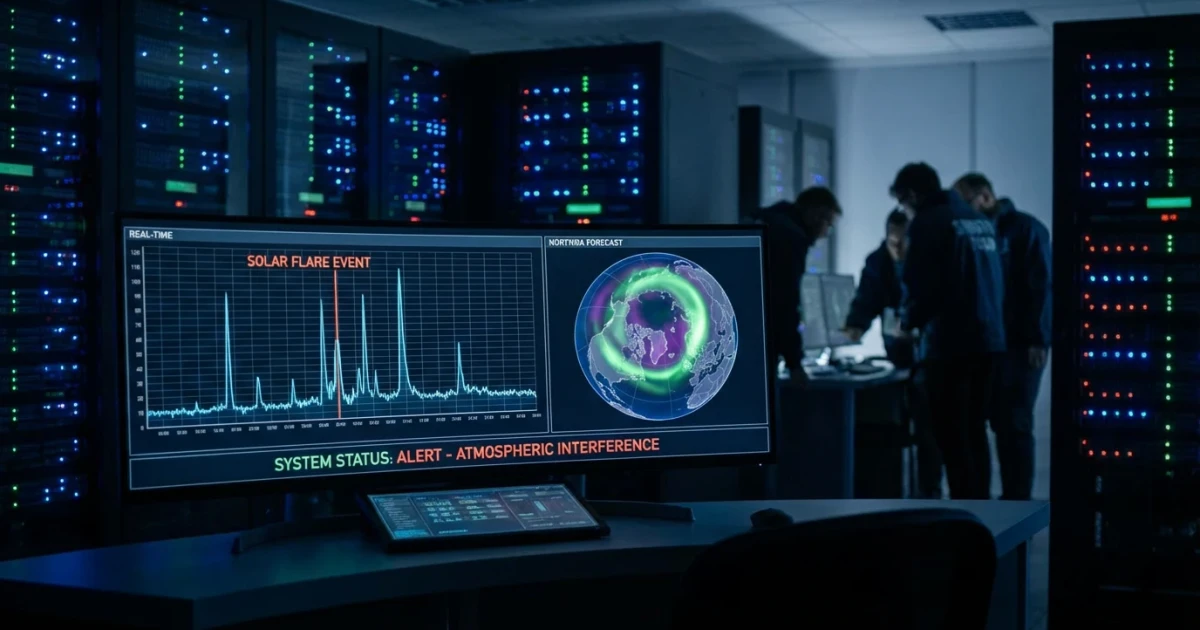
Stargazers and scientists alike are turning their attention skyward after the sun released a series of four strong solar flares, including an impressive X8.1-class event from Region 4. This solar activity could influence Earth in several ways, from communications disruptions to the possibility of spectacular auroras.
The Solar Flare Eruption: What Happened?
According to multiple reports, the sun experienced a burst of activity, emitting four significant solar flares in quick succession. The most powerful of these, classified as an X8.1 flare, originated from an active area on the sun's surface known as Region 4. X-class flares are the strongest type of solar flare, and an X8.1 event ranks among the most intense observed in recent years.
- Solar flares are sudden flashes of increased brightness, usually observed near sunspots
- The recent eruptions included multiple strong flares, with the X8.1 being the largest
- These events can emit powerful bursts of energy and charged particles into space
Potential Impacts on Earth
When the sun releases such energetic flares, there are several possible effects on our planet. One immediate concern is the impact on satellite operations and radio communications, especially at higher latitudes. Strong solar flares can cause temporary disruptions in GPS navigation and high-frequency radio signals.
Additionally, these solar eruptions can trigger geomagnetic storms if the charged particles interact with Earth's magnetic field. Such storms have the potential to:
- Cause voltage irregularities in power grids
- Disrupt satellite operations
- Increase radiation risks for high-altitude flights and astronauts
Will We See the Northern Lights?
One of the most exciting prospects following a strong solar flare is the increased likelihood of seeing the aurora borealis, or northern lights, at lower latitudes than usual. As noted by USA Today, these dazzling displays occur when charged solar particles collide with Earth's atmosphere, creating glowing waves of color in the night sky.
After significant solar events like an X8-class flare, auroras may be visible much farther south than their typical range. Those living in northern regions—or even mid-latitudes—should keep an eye on aurora forecasts for chances to catch a rare natural light show in the coming days.
What Comes Next?
While the current round of solar flares is dramatic, scientists continue to monitor the sun for further activity. Region 4 remains active, and additional flares or coronal mass ejections are possible. Experts advise staying tuned to updates from space weather monitoring agencies, which will issue alerts if significant impacts to Earth are expected.
For now, the main takeaway is heightened vigilance for satellite operators, power grid managers, and those hoping to catch a glimpse of the northern lights. The sun's recent outburst is a reminder of the dynamic relationship between our star and our planet—and the spectacular displays it can provide.
For further information:
- Learn more about solar flare classifications and impacts
- Check current aurora forecasts
- Visit NASA Solar Science for the latest solar activity updates
Stay safe and keep looking up: Earth's connection to the sun is as thrilling as it is unpredictable.
Sources
- [1]ABC News