Science
Sun Unleashes Powerful X8.1 Solar Flare: What It Means for Earth
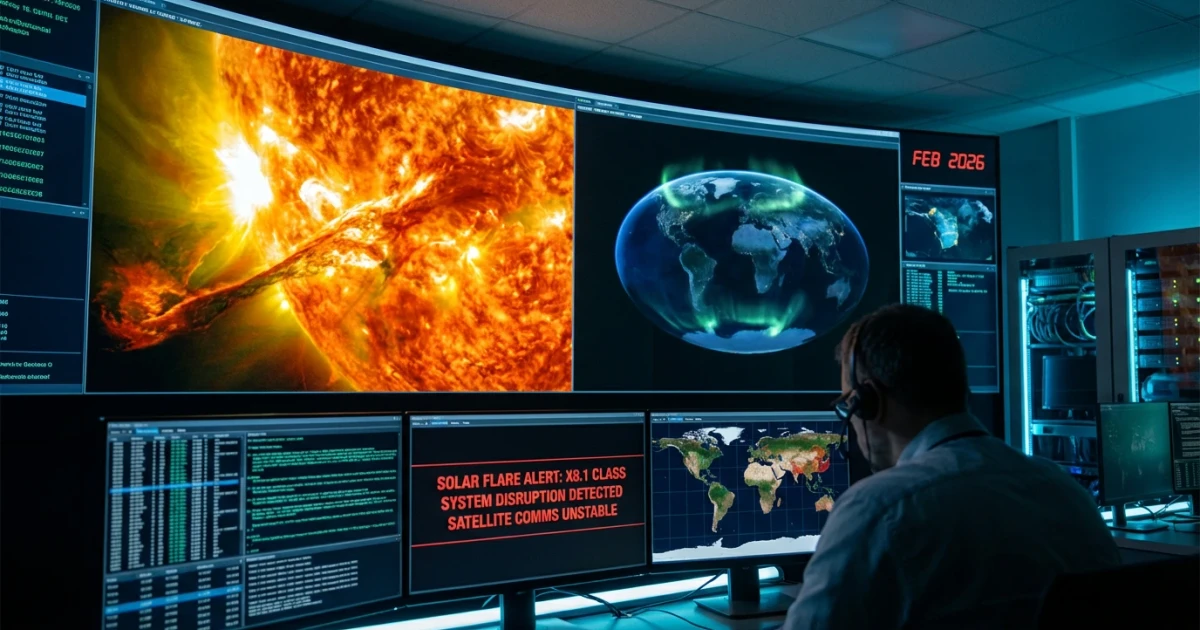
Earth is on alert after the Sun unleashed a powerful X8.1-class solar flare from Region 4366, according to the Space Weather Prediction Center. The event, one of the strongest solar eruptions of the current solar cycle, has experts monitoring for possible effects on satellites, communications, and power infrastructure around the globe.
What Is an X8.1 Solar Flare?
Solar flares are sudden, intense bursts of energy and radiation from the Sun’s surface. They’re classified by their strength—C, M, or X, with X being the most powerful. An X8.1 flare is considered very strong, capable of causing significant disruptions to satellite operations, navigation systems, and high-frequency radio communications on Earth.
- X-class flares are the largest and most intense.
- The number (8.1) indicates the flare’s intensity—X8.1 is among the strongest recorded in recent years.
- Learn more about flare classifications.
Details of the Flare Event
The Space Weather Prediction Center reported the eruption on February 5, 2026. The flare originated from Region 4366—a particularly active sunspot group currently facing Earth. This marks the fourth strong flare from the Sun in a recent series of heightened solar activity.
- The X8.1 event is the most intense of the recent series.
- Previous strong flares this week were less powerful but still significant.
- Region 4366 remains volatile, with the potential for further eruptions.
Potential Impacts on Earth
While the solar flare’s light and radiation reach Earth in minutes, the most disruptive effects depend on whether a coronal mass ejection (CME) accompanies the event. CMEs, large clouds of solar plasma, can strike Earth’s magnetic field, triggering geomagnetic storms that affect:
- Satellite operations (potential for malfunctions or outages)
- Communications systems (especially high-frequency radio blackouts)
- Navigation and GPS accuracy
- Power grids (possible voltage irregularities or transformer damage)
- Auroras visible at lower latitudes than usual
As of this update, officials are assessing whether a significant CME was directed toward Earth. The Space Weather Prediction Center continues to monitor for geomagnetic storm warnings and possible space weather alerts. For real-time space weather information, visit the Space Weather Prediction Center homepage.
Why Solar Flares Matter
Solar flares are a normal part of the 11-year solar cycle, but strong events like this X8.1 flare are relatively rare. They highlight our growing dependence on space-based technology—and the need for preparedness in the face of space weather hazards. The last solar cycle’s largest flare reached X9.3 in 2017, illustrating the potential for even greater events.
What’s Next?
Space weather scientists will continue to track Region 4366 for further activity and analyze satellite data for signs of Earth-directed CMEs. The public can expect additional updates if geomagnetic storms are predicted, with possible impacts on technology and spectacular auroral displays in the coming days.
For ongoing coverage and preparedness tips, stay tuned to official sources such as the Space Weather Prediction Center and national emergency management agencies.