Entertainment
Sunday Morning remembers Louise Lasser and Bonnie Tyler after deaths
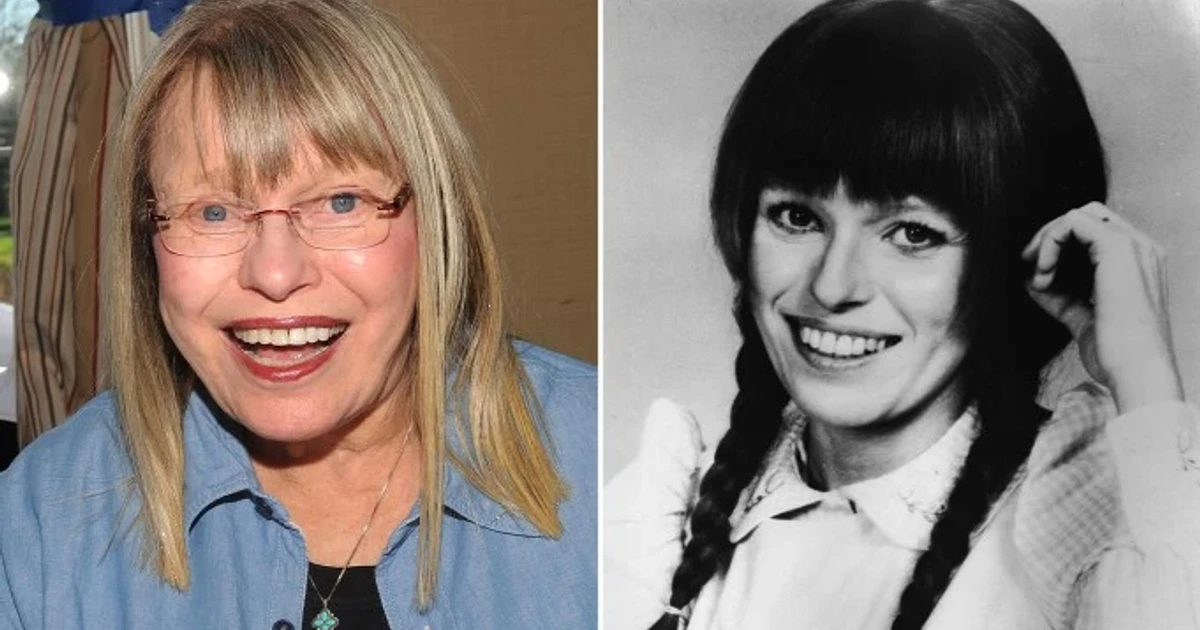
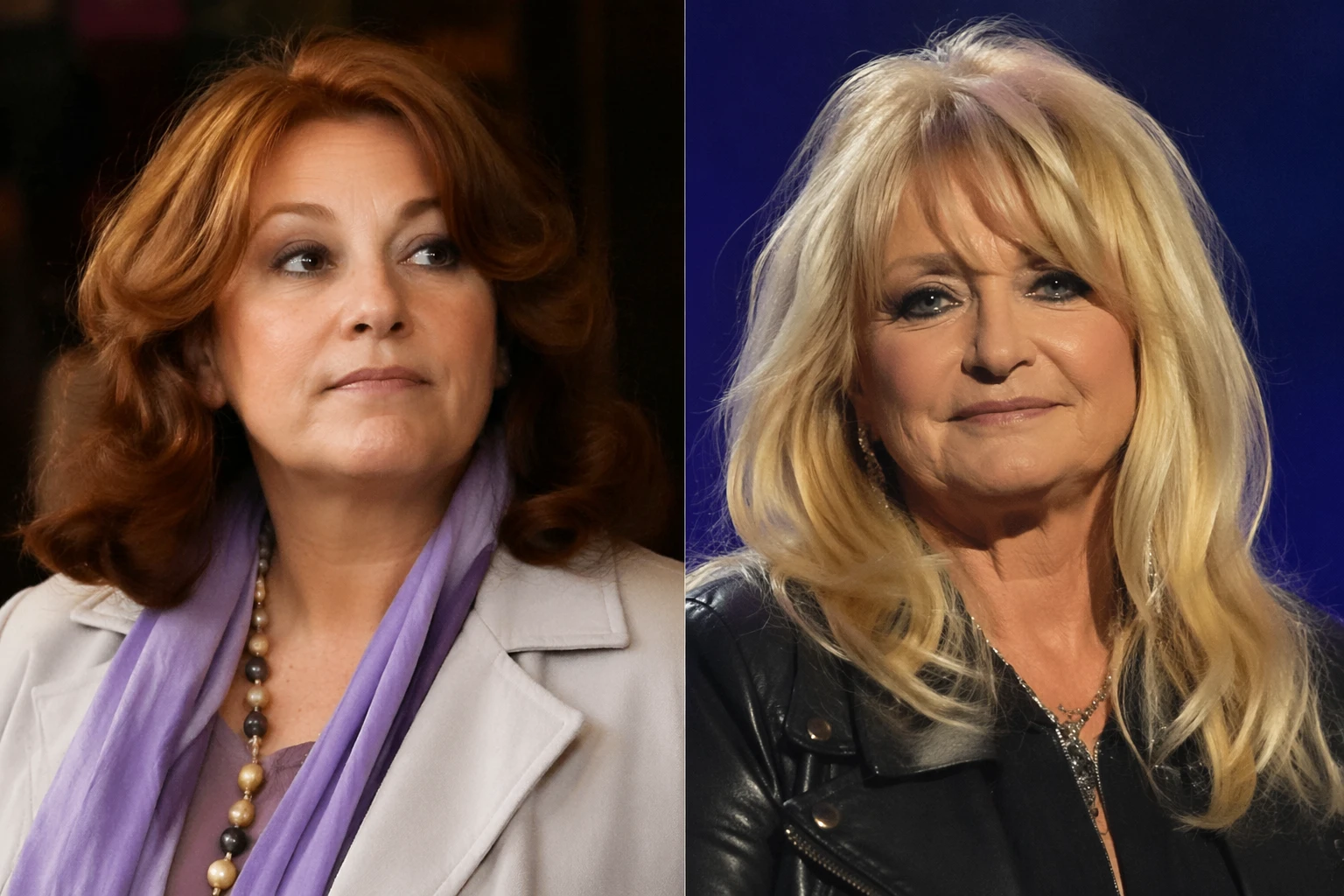
Louise Lasser, the actress who turned Mary Hartman, Mary Hartman into one of television’s sharpest satires, died July 6 in New York City at 87. The Sunday Morning remembrance segment also marked the death of Bonnie Tyler, whose anthems helped define pop radio across generations, with her death on July 8 in Faro, Portugal at 75.
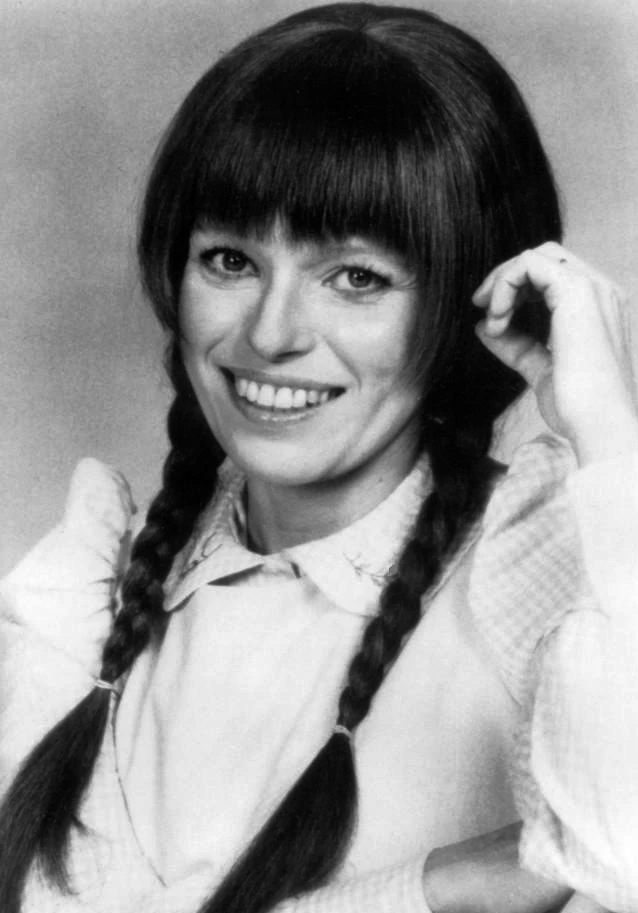
Lasser was best known for playing the title character in Mary Hartman, Mary Hartman, the 1970s series that made her a familiar face to viewers drawn to comedy that skewered domestic life and media culture. Her performance brought an Emmy nomination and helped establish her as one of the era’s most recognizable television satirists. Her death in New York City closed the life of an actor whose best-known role came from a time when network television was willing to take bigger swings at absurdity and social criticism.
Her career also intersected with another defining figure of that period, Woody Allen. Lasser was married to Allen from 1966 to 1970 and appeared in his early films, including Take the Money and Run and Bananas. Those credits tied her to a stretch of American film comedy that moved easily between stand-up rhythms, character-driven eccentricity and the self-conscious humor that later became mainstream in both cinema and television.
Tyler’s death at 75 brought a different kind of cultural loss. Born Gaynor Hopkins on June 8, 1951, in Skewen, Wales, she became internationally known under the stage name Bonnie Tyler. Her signature songs, including Total Eclipse of the Heart, It’s a Heartache and Holding Out for a Hero, carried a mix of drama and power that made her one of the most durable voices in pop.
Taken together, the deaths of Lasser and Tyler point to a media era that prized distinctiveness: one built on television satire and character work, the other on big, emotional pop hooks that traveled far beyond their origins. Lasser represented the age when television began to lampoon the everyday with sharper edges. Tyler represented the global pop machine that turned a singular voice into a cross-border identity.