Lifestyle
Sunny Tourist Hotspot to Slash 10,000 Vacation Rentals in Bid for Affordable Housing
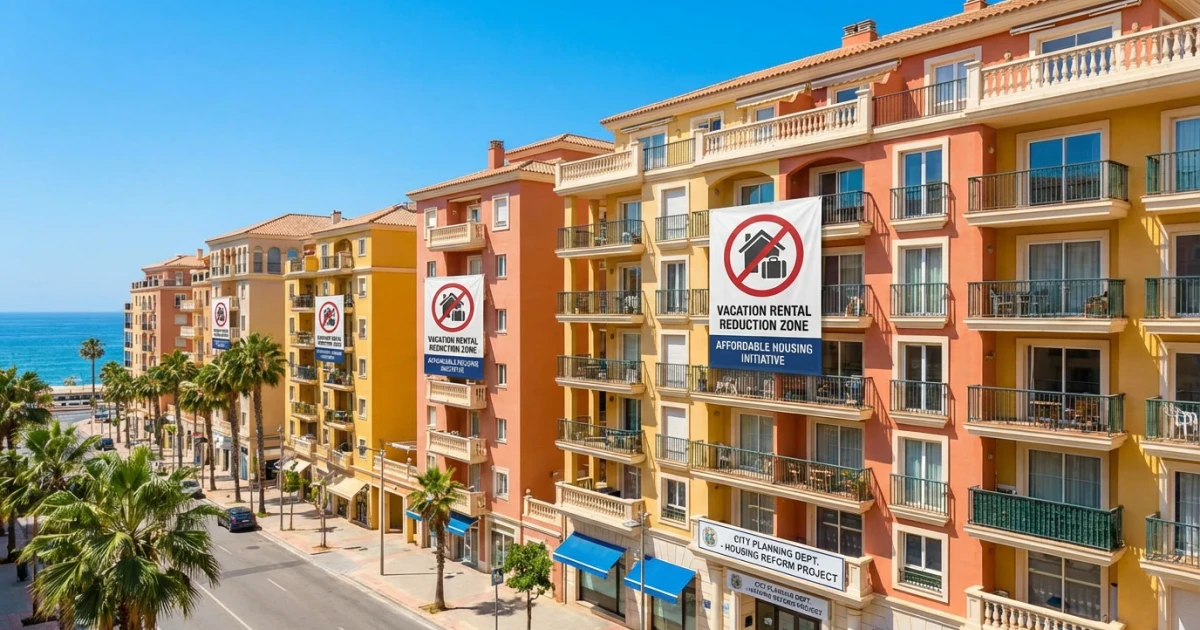
A popular sun-soaked destination is set to dramatically reduce its vacation rental market, eliminating 10,000 short-term rentals as part of a sweeping initiative to tackle affordable housing shortages and reshape the local tourism landscape. The move reflects growing pressure on local governments in high-demand tourist hubs to balance the economic benefits of tourism with the needs of year-round residents struggling to find affordable homes.
Major Vacation Rental Reduction Targets Housing Crisis
The plan to slash 10,000 vacation rentals is one of the boldest steps taken by a major holiday destination in recent years. Local officials say the proliferation of short-term rentals—often listed on platforms like Airbnb and Vrbo—has contributed to skyrocketing rents and home prices, pricing out essential workers and families.
- 10,000 vacation rentals set to be removed from the market
- Aims to increase availability of long-term, affordable housing for residents
- Comes amid a national debate on balancing tourism with livability
Balancing Tourism and Affordability
This sunny destination, renowned for its beaches, vibrant nightlife, and year-round appeal, has long relied on tourism as a major economic driver. However, local leaders argue that unchecked growth in short-term rentals has made it increasingly difficult for locals to secure housing, especially in neighborhoods close to tourist hotspots.
Restricting vacation rentals is expected to have a twofold effect: potentially easing pressure on the housing market and signaling to other tourist-reliant cities that aggressive regulation is an option. While supporters hope it will help bring rents down and keep neighborhoods more livable for residents, critics warn of negative impacts on the local economy, hospitality jobs, and small businesses that depend on tourist spending.
What Comes Next for Residents and Visitors?
Officials have not yet released a full timeline for the removal of the 10,000 vacation rentals, nor specified how enforcement will be handled. The coming months are likely to see a transition period, as property owners adjust and some may seek to convert their rentals into long-term housing. For visitors, the decreased supply could mean higher prices or reduced availability during peak travel seasons.
Key Points for Stakeholders
- Residents may see increased housing options and potential price relief
- Property owners face new restrictions and may need to shift business models
- Tourists could encounter higher costs or fewer rental choices
National Implications and the Future of Vacation Rental Policy
The decision to dramatically reduce short-term rentals is part of a broader trend in popular travel destinations grappling with housing affordability. Cities such as San Diego, Barcelona, and New York have all implemented stricter regulations, with varying degrees of success. This latest move will be closely watched by policymakers, advocacy groups, and the travel industry for its effects on local housing, tourism revenue, and community quality of life.
As the plan unfolds, all eyes will be on how effectively the city can restore balance between welcoming visitors and supporting the needs of its residents. The outcome could shape the way other tourist destinations approach the increasingly urgent challenge of housing affordability.
Sources
- [1]Fox News