Business
SunZia wind farm and transmission line becomes fully operational in New Mexico
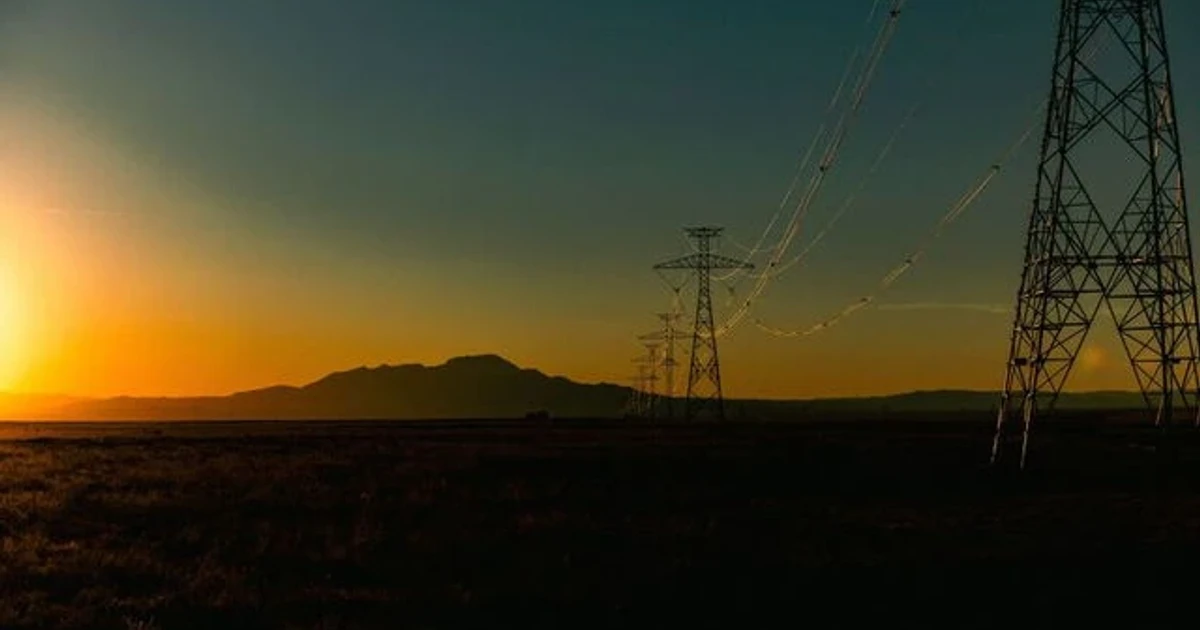
The country’s biggest clean-energy transmission project finally came online, but its scale is inseparable from the delay that produced it. Pattern Energy’s SunZia, an $11 billion wind farm and transmission line in New Mexico, is now fully operational after nearly two decades of permitting and construction. The project is built to move power from central New Mexico to south-central Arizona, with about two-thirds of the electricity ultimately headed west to California customers.
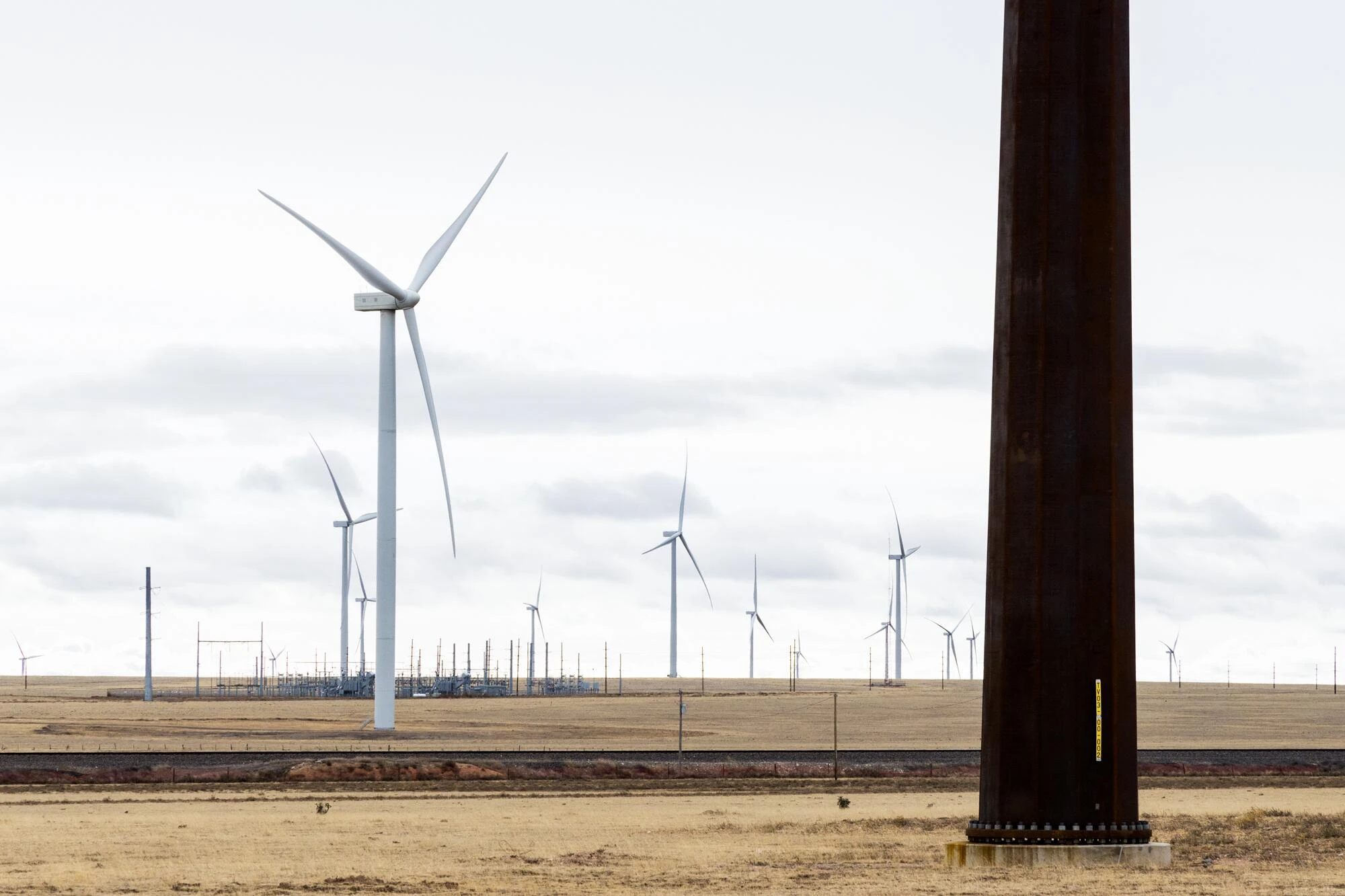
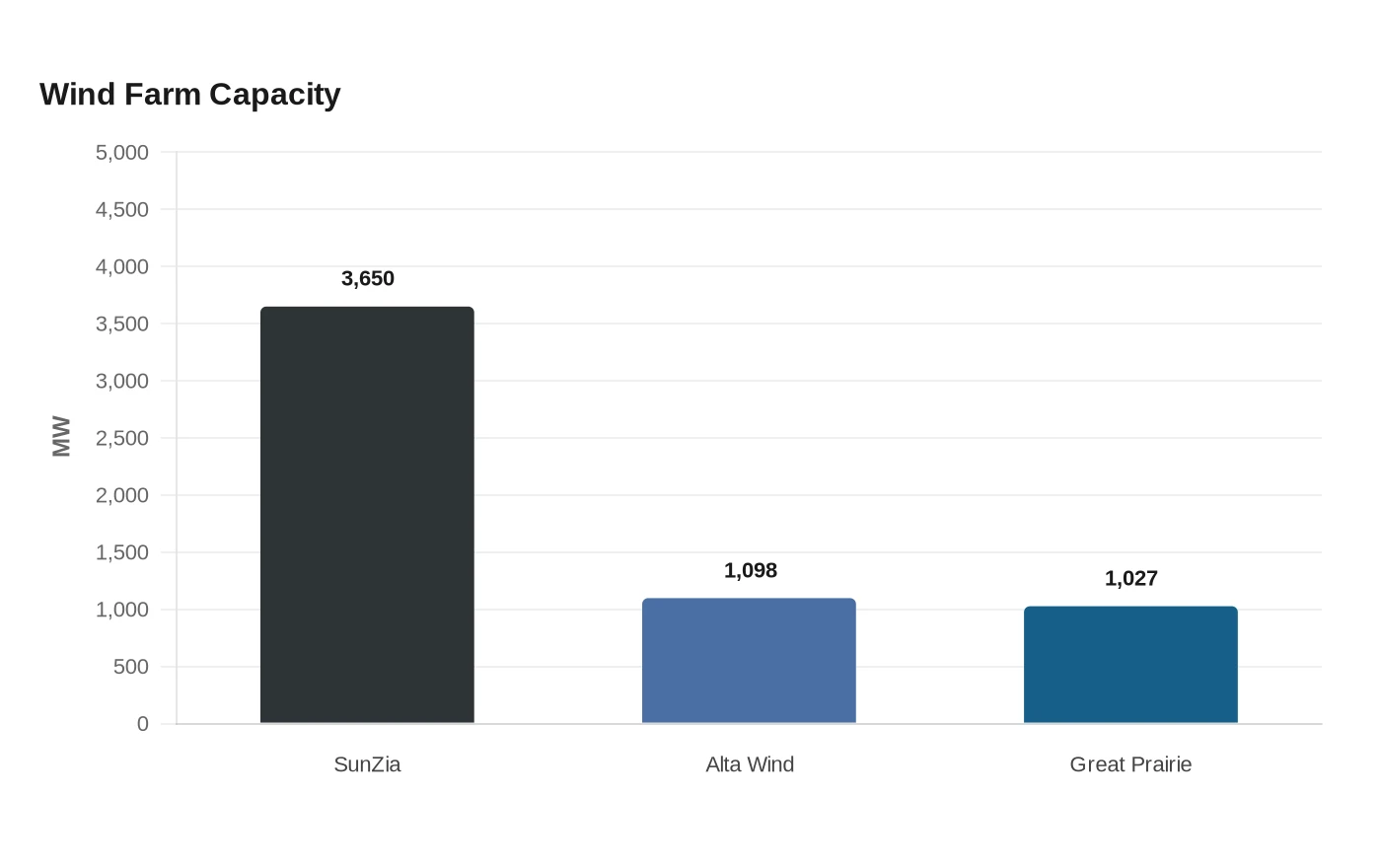
SunZia’s wind side is immense by U.S. standards. The U.S. Energy Information Administration said the project has a total net summer generating capacity of 3,650 megawatts and 916 turbines, enough to serve the annual needs of about 1 million homes. The agency also said SunZia is more than three times larger than the next two biggest U.S. wind farms, Alta Wind in California at 1,098 megawatts and Great Prairie in Texas at 1,027 megawatts. Pattern says the full buildout combines SunZia Wind and SunZia Transmission, a ±525 kV HVDC corridor intended to deliver power into the Western grid.
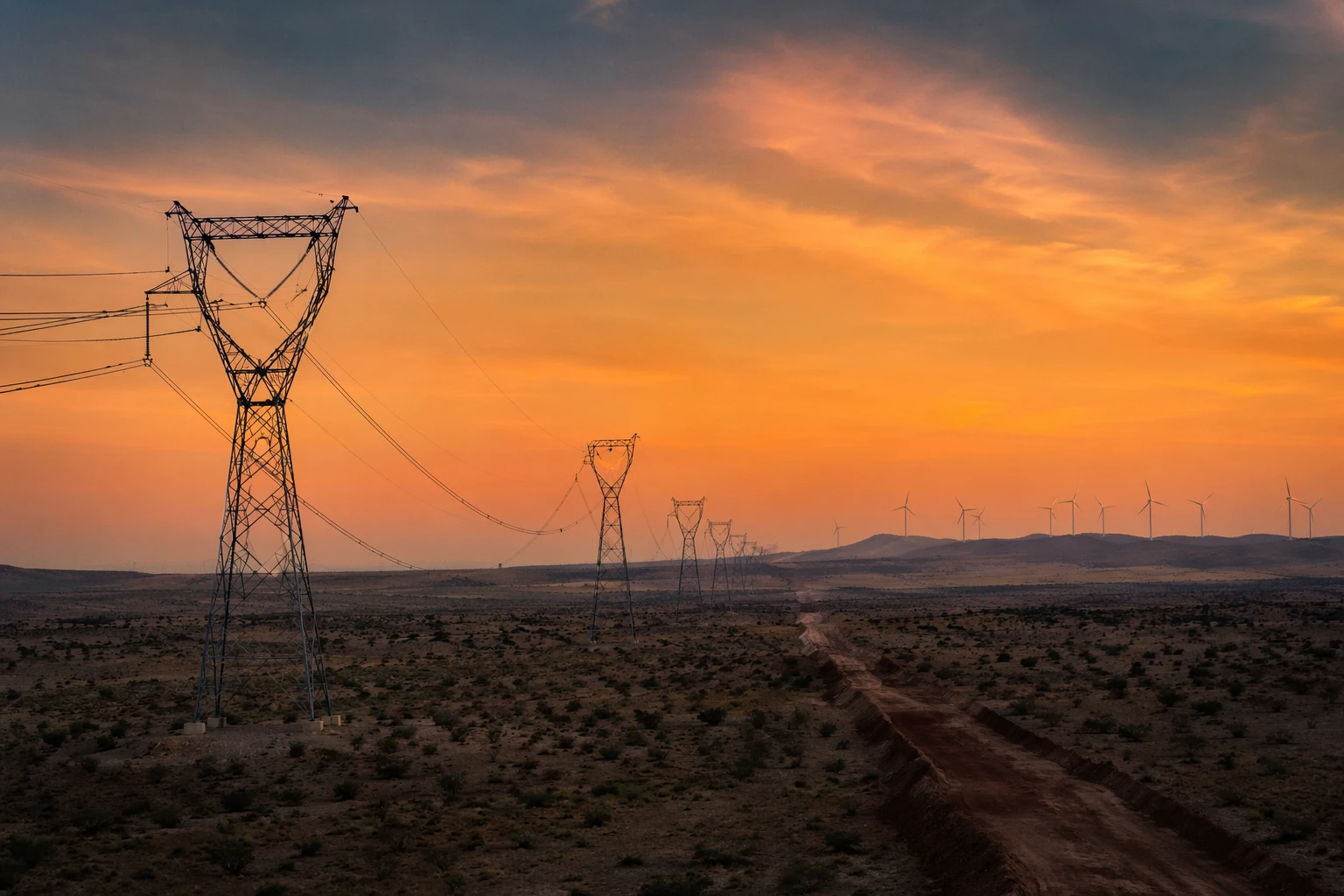
The project’s long gestation underscores the real bottlenecks in the U.S. energy transition. SunZia began development in 2008. Construction did not start until 2023, after Pattern secured more than $11 billion in funding and the federal review process had finally cleared a major hurdle with a final environmental impact statement and right-of-way approval on Feb. 17, 2023. The transmission line runs about 550 miles from Torrance County, New Mexico, to Pinal County, Arizona, crossing or affecting areas in Lincoln County and San Miguel County as it heads toward the West.
Even as the turbines and wires are in place, the route has remained politically charged. The Tohono O'odham Nation and San Carlos Apache Tribe have challenged the corridor for years, arguing that federal agencies failed to properly consult tribes and protect cultural resources along the route, including in the San Pedro River Valley. A federal appeals court revived a tribal lawsuit in 2025, keeping the dispute alive as the project neared completion.
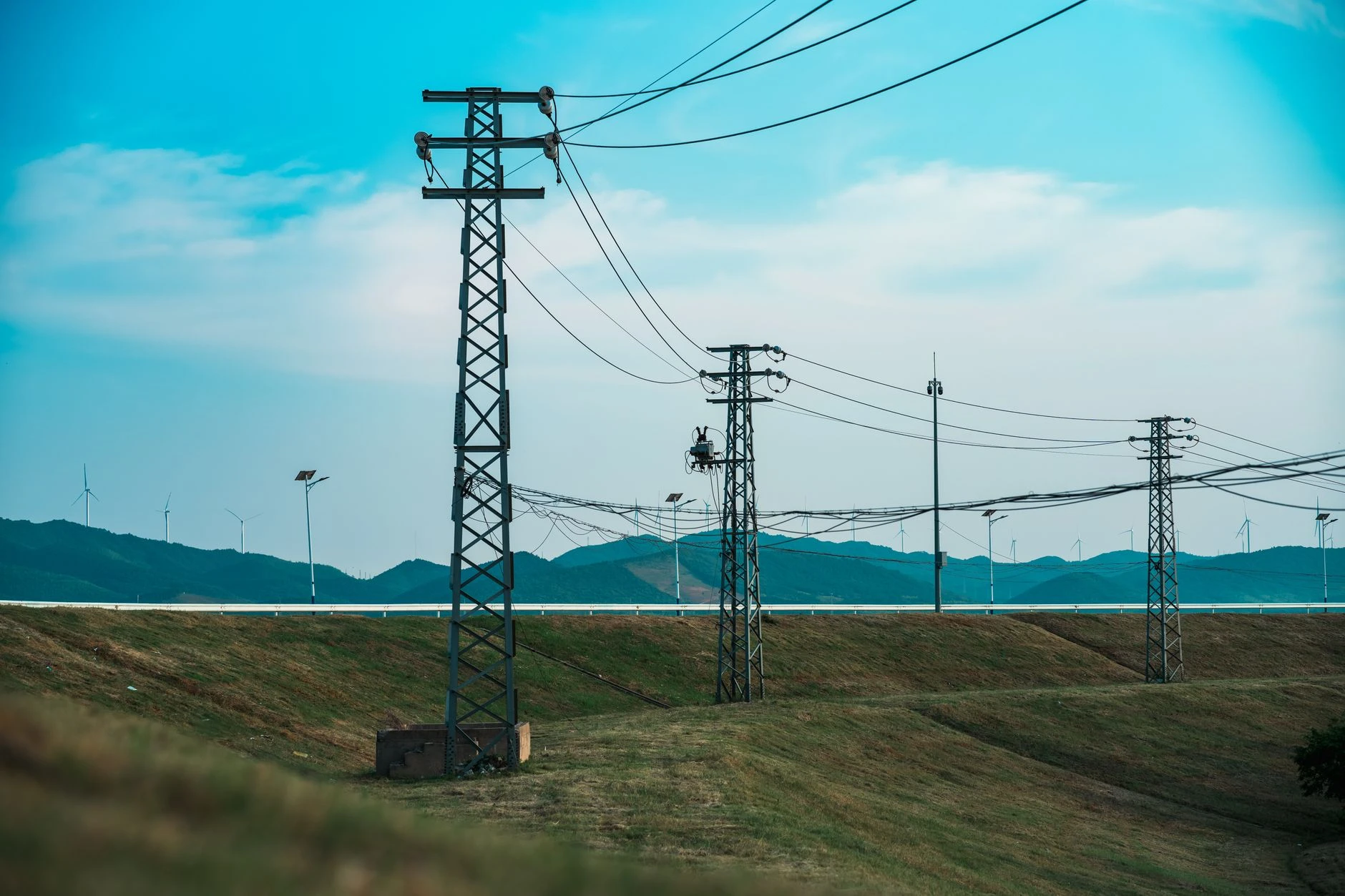
Pattern chief executive Hunter Armistead said SunZia “proves the country can still build consequential infrastructure.” Democratic Senator Martin Heinrich of New Mexico said the process should take “five or six years, not 17.” Pattern says SunZia can generate and deliver more power than the Hoover Dam, turning a long-delayed project into a major new supply source for the West just as grid demand keeps rising.