World
Super Typhoon Bavi threatens Taiwan, Fujian with record size and strong winds
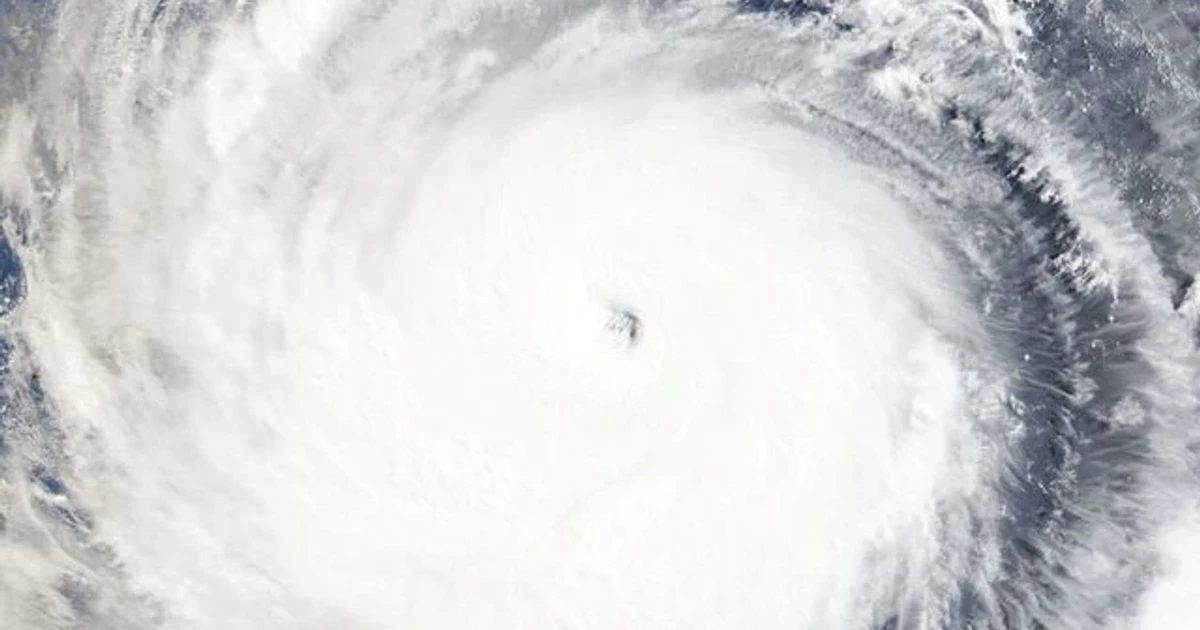
Taiwan suspended ferry service to Green Island and Orchid Island as Super Typhoon Bavi closed in with a wind field wide enough to threaten travel, coastal roads and emergency response across the northern Luzon Strait and the East China Sea. At 09:00 UTC on July 9, Taiwan’s Central Weather Administration placed Bavi at 18.4N 129.8E, moving northwest at 18 km/h, with a minimum pressure of 925 hPa and maximum sustained winds near the center of 51 meters per second.
Bavi’s average radius of winds above 15 m/s is 380 km, making it one of the most expansive typhoons to approach Taiwan in decades. Taiwan’s central weather forecaster put the storm on track to become the largest by size to hit the island since 1987, with a sea warning likely first and a land warning possibly following. Taiwan’s government has prepared traffic restrictions and flexible airline ticket changes, while President Lai Ching-te urged residents to pack emergency bags that could sustain them for three days.
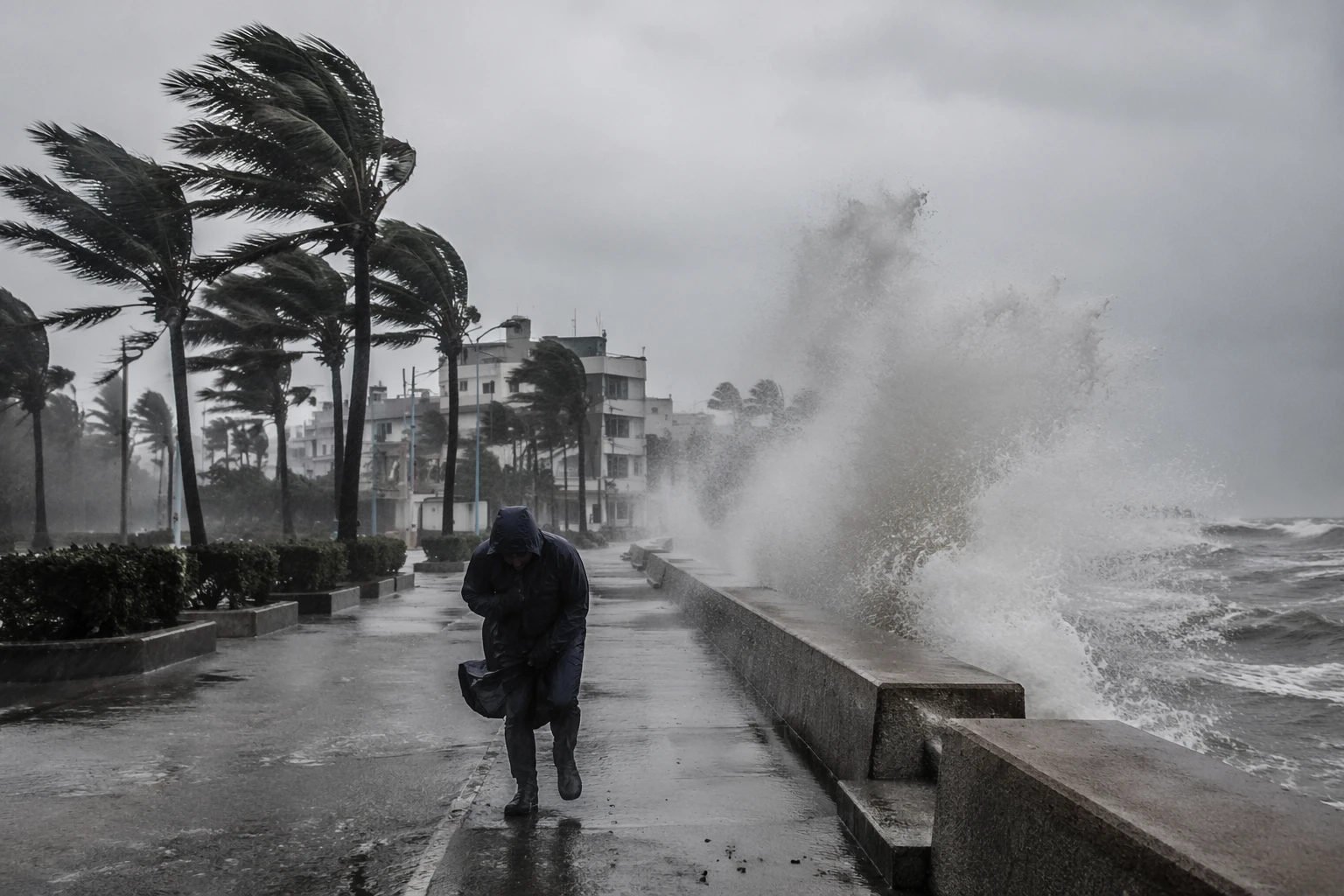
Taiwan’s exposed east and south-facing coasts and the offshore islands are already seeing transport cutbacks. Coastal communities rely on those links for food, medical access and evacuation. With Bavi forecast to skirt northern Taiwan before making landfall in eastern Fujian province around Saturday evening, emergency managers on both sides of the strait are bracing for high surf, wind damage and flooding in low-lying neighborhoods.
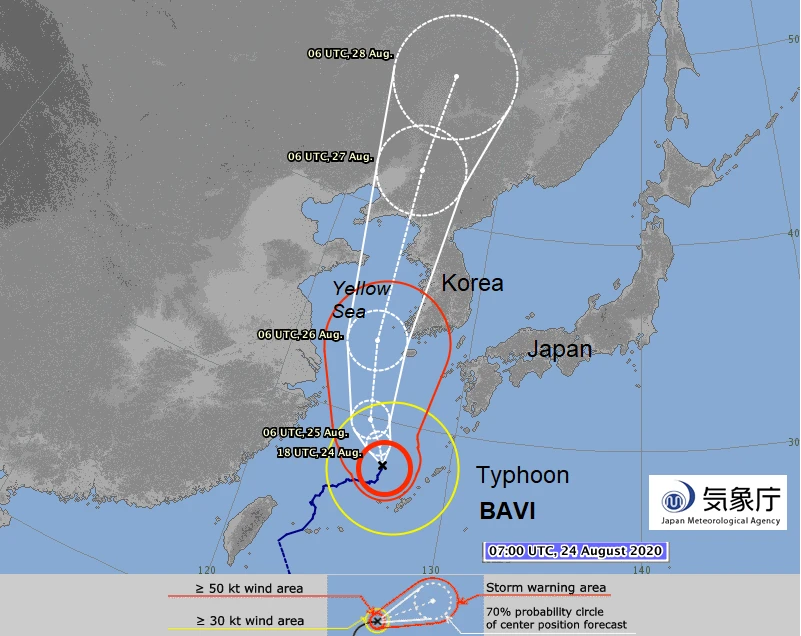
Bavi formed on July 2 and is expected to enter China’s 48-hour warning zone on July 9, with heavy rain forecast from Thursday through July 15 across parts of eastern, central and northern China.
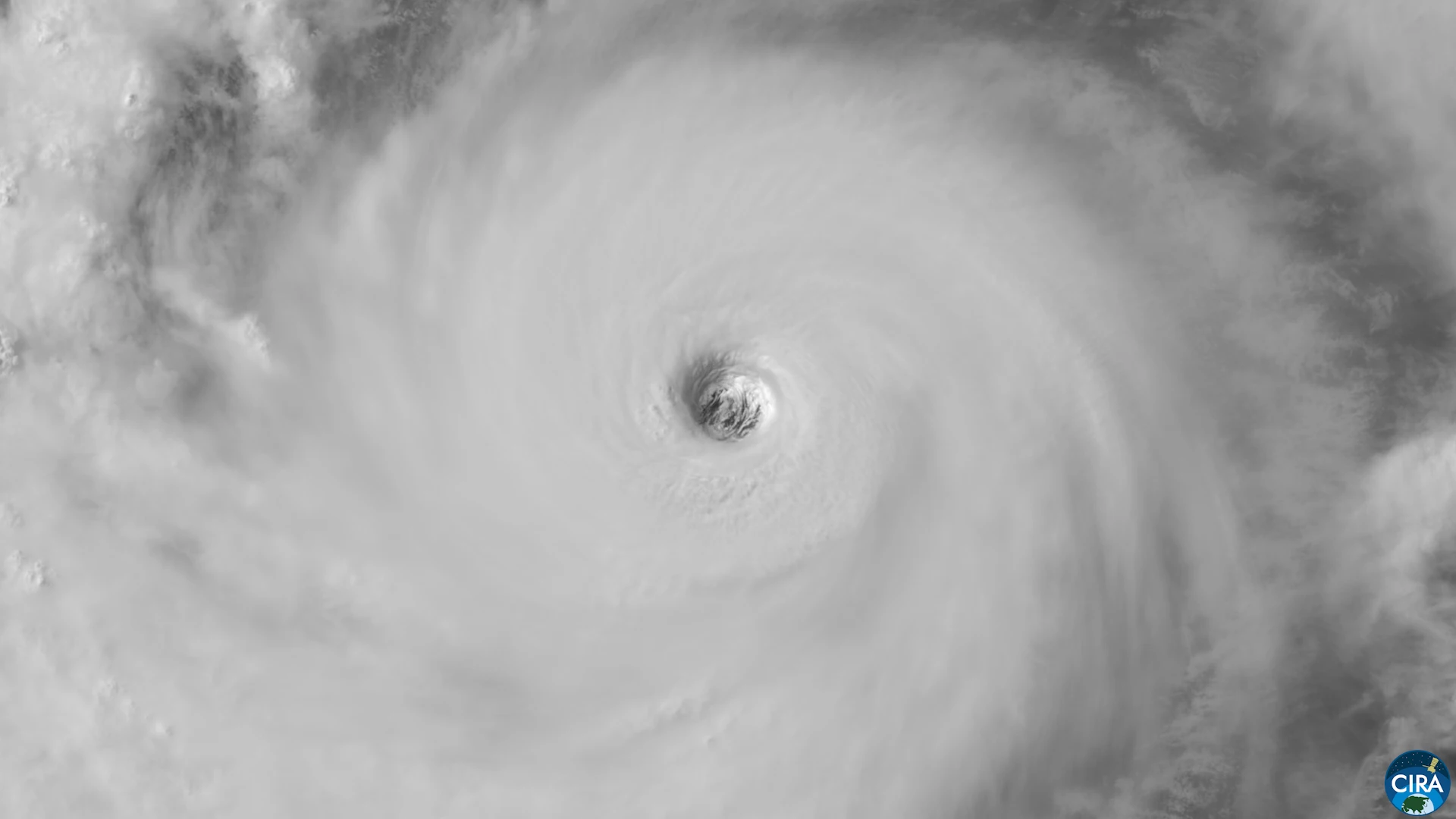
The Japan Meteorological Agency’s warning page places Okinawa, Amami and Ogasawara under heavy rain, landslide and storm-surge warnings on July 9, with alert level 5 signaling a life-threatening situation. Two tornadoes in Hubei province killed at least 11 people on July 7. AccuWeather forecast Bavi could match the impact of Super Typhoon Kong-rey in 2024 if it holds its strength.
Sources
- [1]usnews.com
- [2]cwa.gov.tw
- [3]focustaiwan.tw
- [4]taipeitimes.com
- [5]data.jma.go.jp
- [6]global.chinadaily.com.cn
- [7]msn.com