US News
Supreme Court appears set to limit Rastafarian prison religious-rights claim
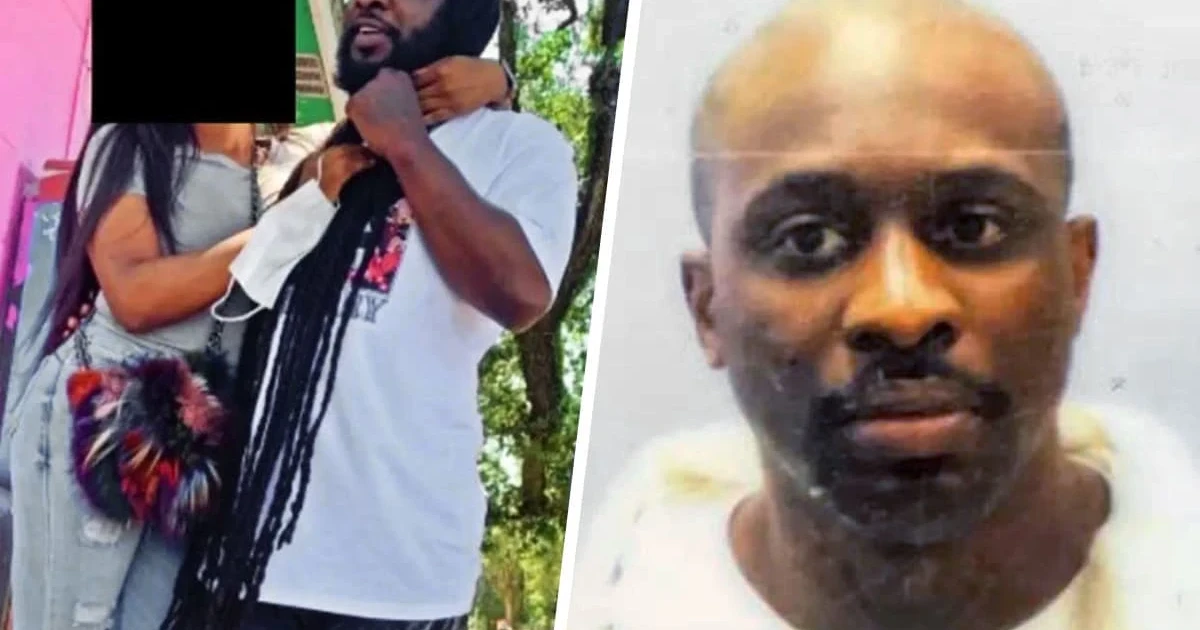
The Supreme Court narrowed the reach of prison religious-liberty law in Damon Landor’s fight over the shaving of his dreadlocks, ruling that he could not seek personal damages from Louisiana prison officials under the Religious Land Use and Institutionalized Persons Act. The decision left Landor without money-damages claims against the employees who cut off hair he had worn for nearly 20 years as a devout Rastafarian.
Landor’s case began in 2020 at the Raymond Laborde Correctional Center in Louisiana, where he had been transferred with only about three weeks left in a five-month sentence. He tried to explain that the Nazarite Vow required him to keep his hair uncut, and he handed a guard a copy of a Fifth Circuit ruling that had protected another Rastafarian prisoner’s right to keep dreadlocks. According to the case record, prison staff threw the opinion in the trash, handcuffed Landor to a chair and shaved his head bald.
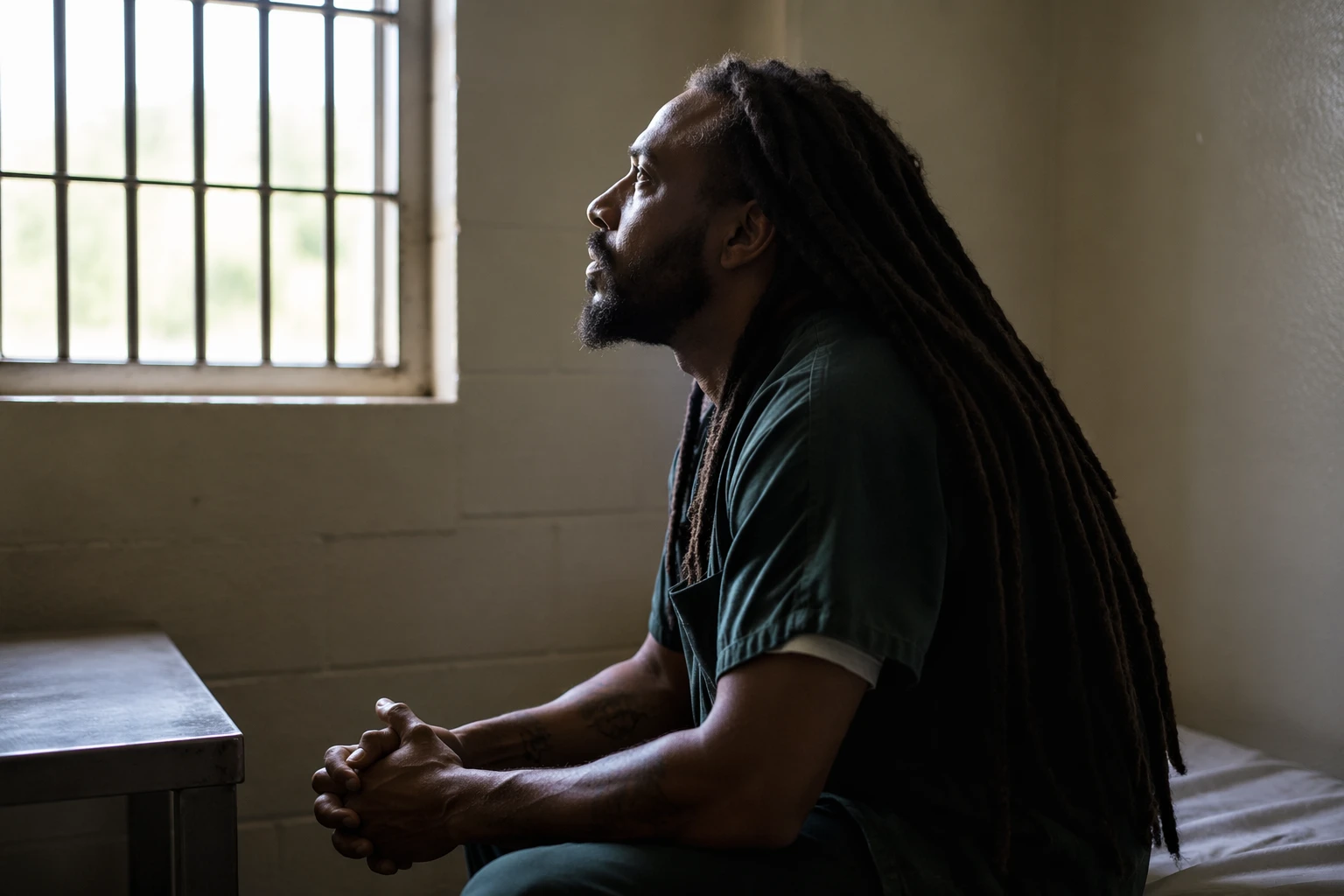
The legal question was not whether the treatment was harsh, but whether RLUIPA let Landor recover money from the officials personally. Congress enacted the statute in 2000 to strengthen religious protections for prisoners and others in institutions, tying the law to federal funding. Landor’s lawyers argued that “appropriate relief” should include damages, drawing support from a 2020 Supreme Court decision under the Religious Freedom Restoration Act. Louisiana countered that RLUIPA is different because it is a Spending Clause law, meaning states and their employees must clearly consent before personal liability can attach.
That distinction proved decisive. The justices focused on whether Congress had made individual-capacity damages unmistakably available under RLUIPA, and the court concluded that state employees could not be held liable in their personal capacities under a Spending Clause statute unless they knowingly agreed to that exposure. Justice Neil Gorsuch and Justice Amy Coney Barrett signaled skepticism during oral arguments on November 10, 2025, while the court’s liberal justices sounded more receptive to Landor’s position. The federal government had backed Landor, saying the Fifth Circuit’s ruling conflicted with Supreme Court precedent in Sossamon v. Texas and Tanzin v. Tanvir.
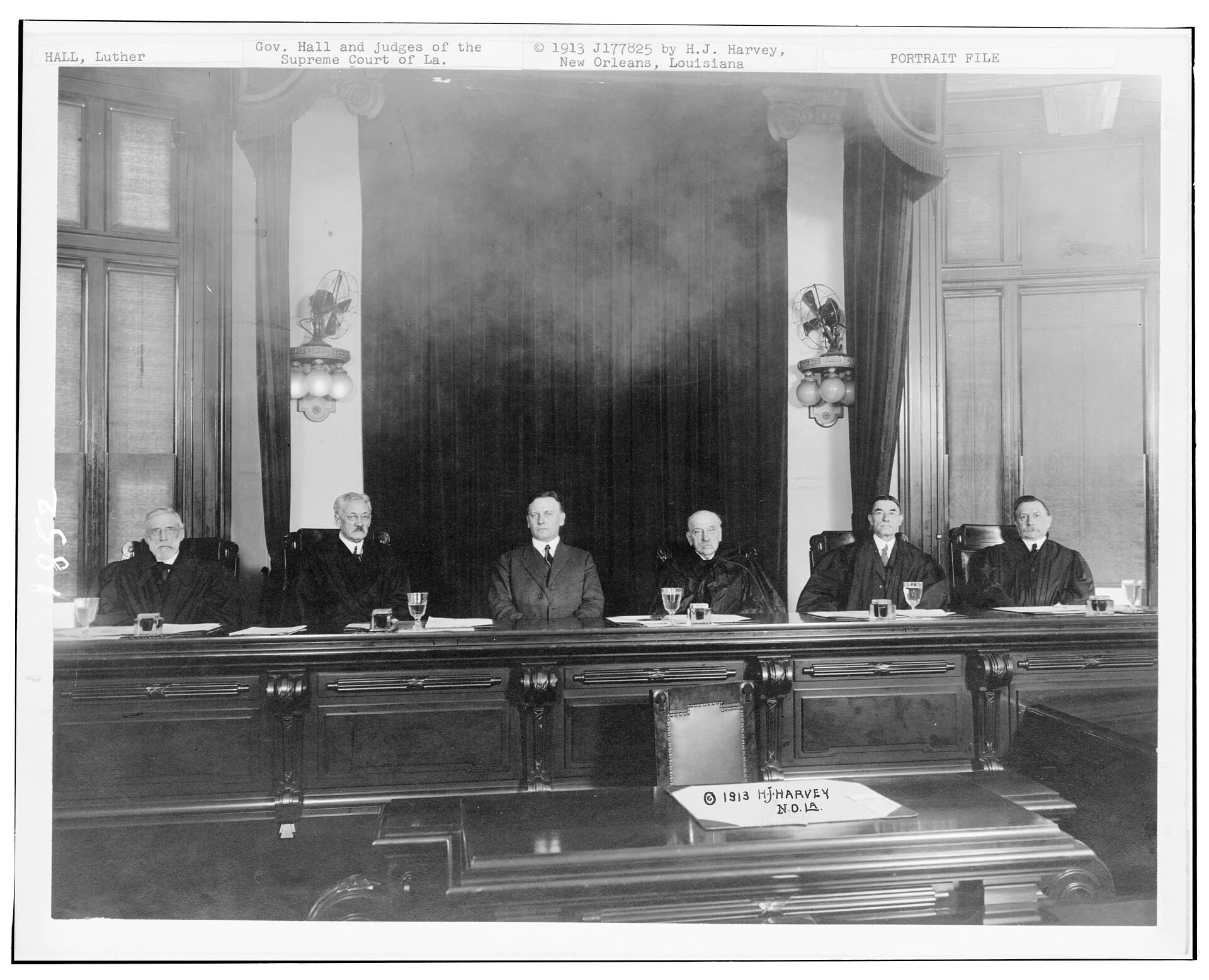
The case also underscored how far prison religious-rights victories can go, and where they stop. The Fifth Circuit had already “emphatically” condemned what happened to Landor even as it barred his individual-capacity damages claims, and the broader dispute arrived after earlier grooming cases such as Holt v. Hobbs, in which the Supreme Court ruled for a Muslim prisoner seeking a beard for religious reasons. Religious-liberty groups across the spectrum, including the American Civil Liberties Union, Alliance Defending Freedom, the Baptist Joint Committee for Religious Liberty, the Christian Legal Society, the National Association of Evangelicals, Prison Fellowship and the Religious Freedom Institute, all weighed in, but the court drew its line at money damages against the prison officials themselves.
Sources
- [1]news.google.com
- [2]nbcnews.com
- [3]scotusblog.com
- [4]law.justia.com
- [5]aclu.org