Business
Supreme Court backs Bayer in Roundup warning-label lawsuit battle
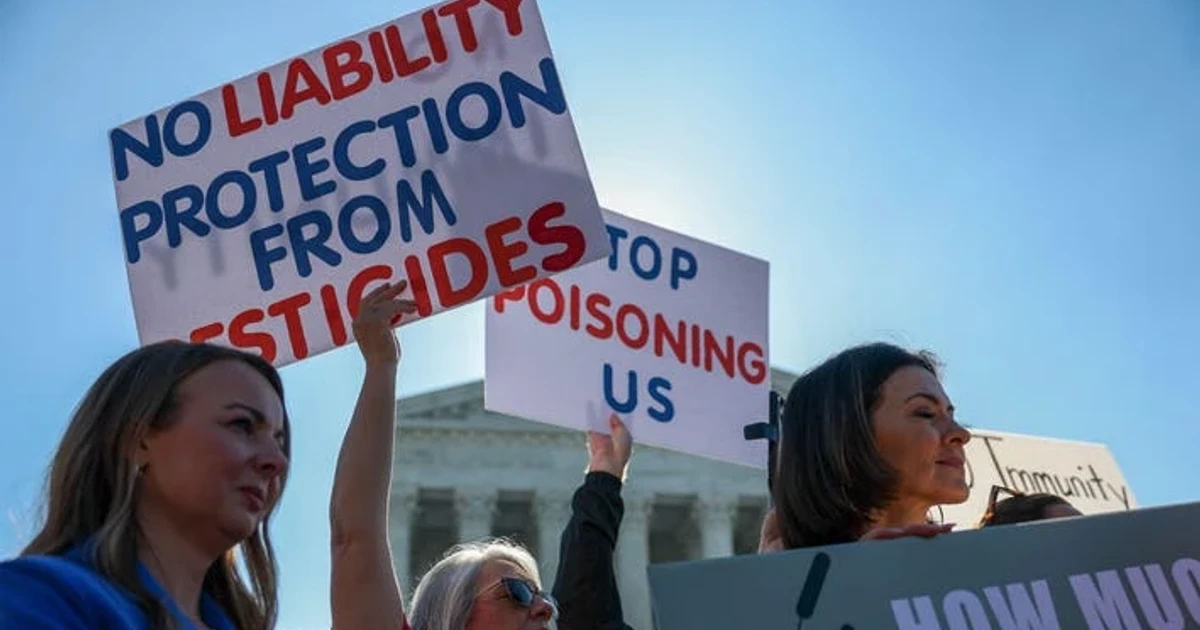
The Supreme Court handed Bayer a major victory on June 25, 2026, ruling 7-2 in Monsanto Co. v. Durnell that federal pesticide law blocks state failure-to-warn claims over Roundup labels when the EPA has not required a cancer warning. The decision could ripple through thousands of pending Roundup cases nationwide, many of them built on the same state-law theory that a jury accepted in Missouri and turned into a verdict of more than $1 million for John Durnell.
The court’s majority said Durnell’s claim would have forced Monsanto to add a cancer warning to Roundup even though the EPA had approved the label without one. In the underlying case, Durnell said he used Roundup for about 20 years and later developed non-Hodgkin’s lymphoma, but the justices held that the Federal Insecticide, Fungicide, and Rodenticide Act bars states from imposing label requirements that are different from the federal standard.
The ruling lands in the middle of one of the largest mass-tort fights in corporate history. Bayer bought Monsanto in 2018 and inherited the Roundup liabilities, then spent more than $10 billion on verdicts and settlements as the litigation spread across state courts and federal multidistrict proceedings. Bayer said the decision should significantly contain the litigation and that it should lead to the dismissal of current warning-based claims and bar future failure-to-warn claims.
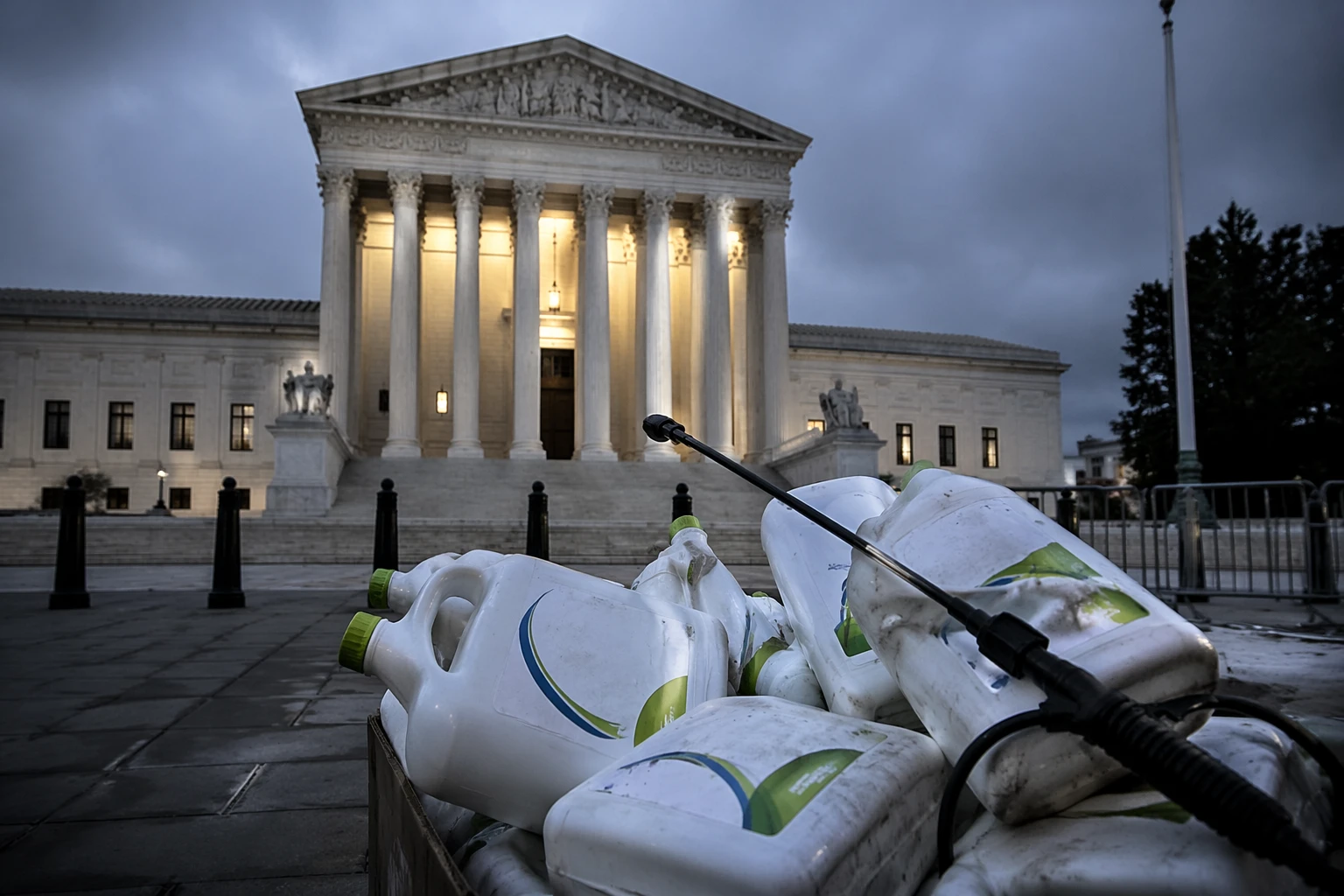
For Bayer, the ruling strengthens an argument it has pressed for years: that compliance with EPA-approved labeling should shield it from state juries reaching a different conclusion on cancer warnings. The EPA has repeatedly concluded that glyphosate is not likely carcinogenic and has not required a cancer warning on Roundup labels, while the World Health Organization’s International Agency for Research on Cancer classified glyphosate as probably carcinogenic to humans in 2015, a split that helped drive the litigation. Bayer shares rose after the ruling, and the company said the outcome was “good for science, farmers, and industries that depend on regulatory clarity for innovation.”
Sources
- [1]nytimes.com
- [2]supremecourt.gov
- [3]cnbc.com
- [4]usnews.com
- [5]bayer.com
- [6]bloomberg.com