Politics
Supreme Court backs Texas man in challenge to drug-user gun ban

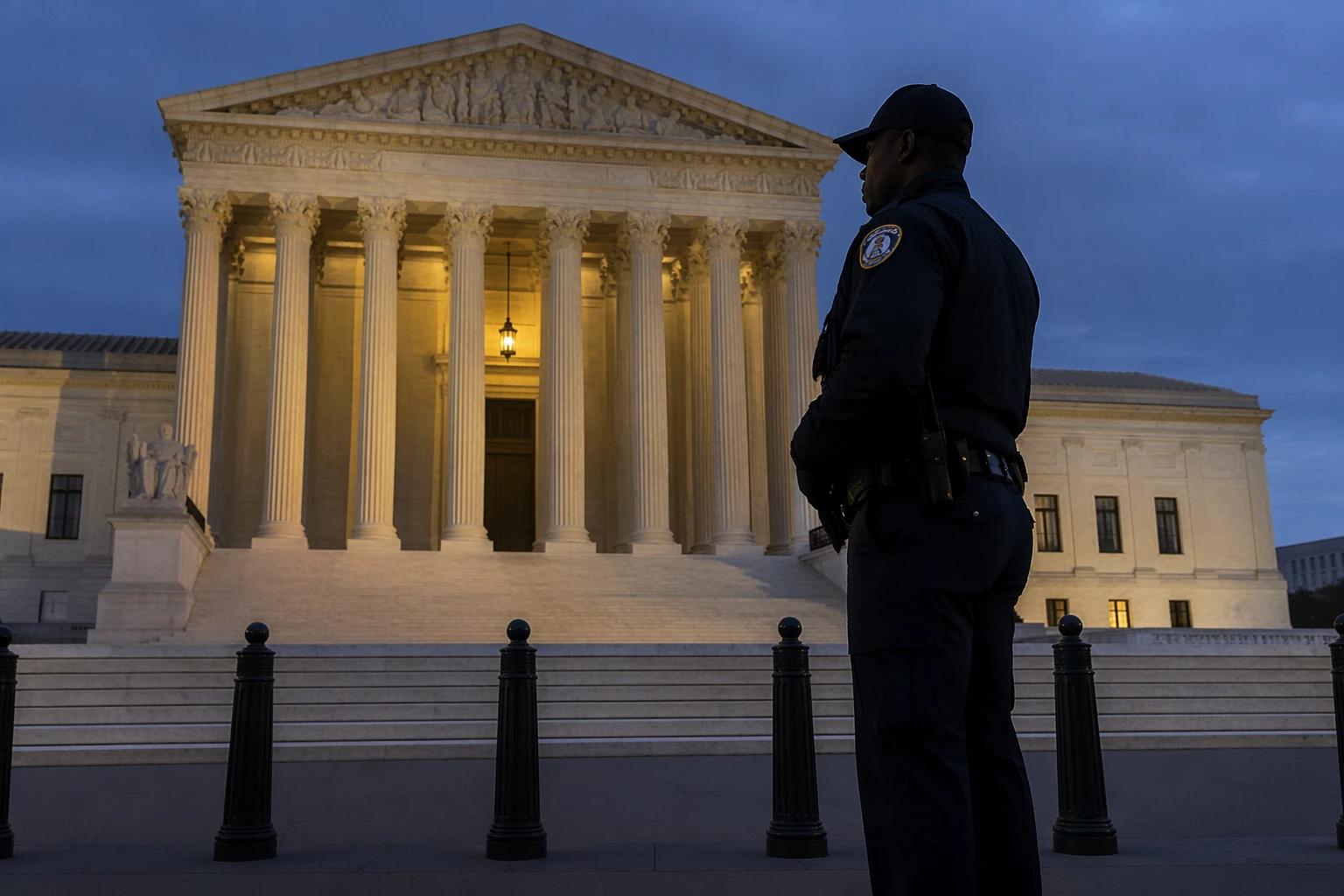
The Supreme Court narrowed the federal government’s reach over gun owners who use marijuana, ruling that prosecutors could not use 18 U.S.C. § 922(g)(3) against Ali Hemani, a Texas man who admitted he used marijuana about every other day. In a unanimous 9-0 decision in United States v. Hemani, the justices said that, in this case, the government’s prosecution was inconsistent with the Second Amendment.
The ruling matters because the law at issue, part of the Gun Control Act of 1968, covers people who are unlawful users of or addicted to controlled substances. Hemani, a dual citizen of the United States and Pakistan born in Texas, had lived most of his life in the Dallas area and was working a stable job when federal agents searched his family home in 2022 in connection with suspected terrorism-related activity. He cooperated, surrendered a gun he kept in the house, pointed agents to marijuana on the property and told them how often he used it. Prosecutors charged him in 2023, more than six months later, solely under the unlawful-user firearm ban.
The district court dismissed the indictment, the Fifth Circuit reversed that outcome, and the Supreme Court reversed again. The court said the government could not prosecute Hemani under the statute on these facts, and it did so by applying the modern Second Amendment framework the court has built in District of Columbia v. Heller, New York State Rifle & Pistol Assn. v. Bruen and United States v. Rahimi. That test requires the government to show that a gun restriction fits the nation’s historical tradition of firearm regulation.
The decision is a setback for the Justice Department and a warning sign for other gun cases that have piled up since Bruen. The same statute was used in Hunter Biden’s 2024 conviction in Wilmington, Delaware, a case later pardoned by Joe Biden, which shows how widely prosecutors have relied on the drug-user ban. Reuters reported that the Justice Department argued marijuana should be treated as Schedule I at the time of Hemani’s offense, while also floating possible carve-outs for FDA-approved marijuana products or state medical-marijuana licenses.
The timing is significant because marijuana law has moved in the opposite direction. More than half of U.S. states now broadly legalize cannabis, even as federal law still prohibits recreational use, and the Trump administration reclassified some medical marijuana restrictions in April 2026. With support from the American Civil Liberties Union, Drug Policy Alliance, NORML, Cato Institute and the National Rifle Association, the case now stands as a template for the next wave of Second Amendment litigation, especially challenges to domestic-violence, ghost-gun and bump-stock restrictions.
Sources
- [1]cbsnews.com
- [2]supremecourt.gov
- [3]usnews.com
- [4]texastribune.org
- [5]aclu.org