US News
Supreme Court backs Trump on Haiti, Syria deportations and border arrests
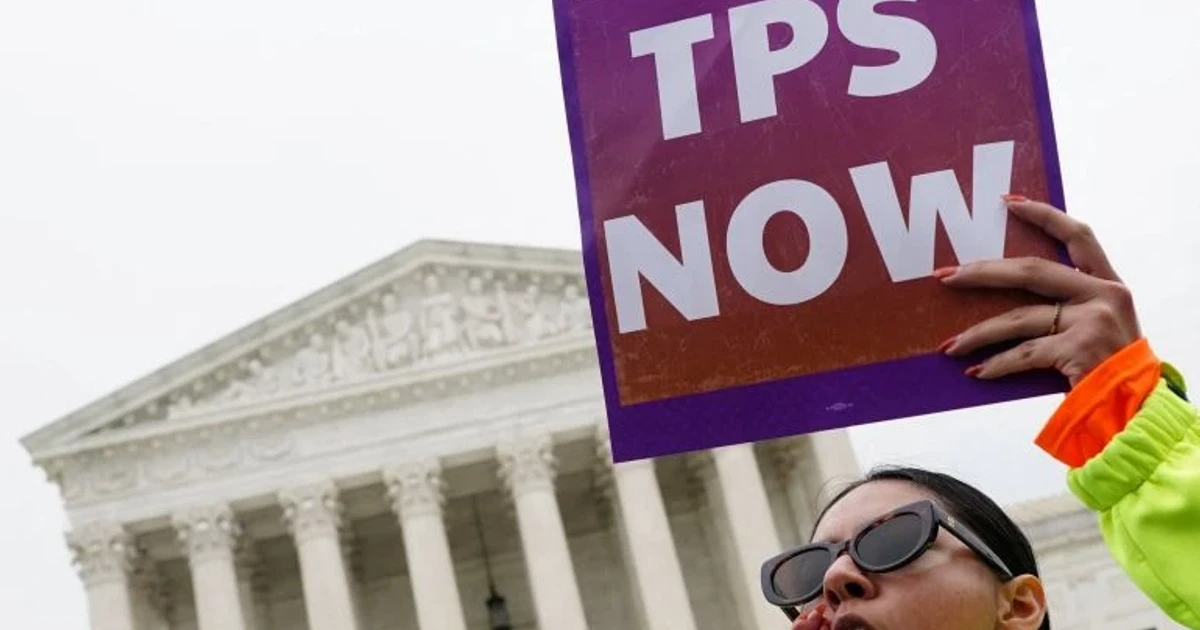
The Supreme Court handed President Donald Trump two 6-3 victories on Thursday, clearing the way for his administration to end Temporary Protected Status for people from Haiti and Syria and to stop asylum seekers before they physically cross into the United States at the southern border. Together, the rulings lift two major restraints on the government’s immigration machinery and widen the legal toolkit available to future presidents, not just Trump.
The TPS decision exposes about 350,000 Haitians and 7,000 Syrians to possible deportation, while also strengthening efforts to terminate protections for migrants from 13 countries overall, including Venezuela, Honduras, Nicaragua, Ethiopia and South Sudan. Justice Samuel Alito wrote for the majority, and Justice Elena Kagan dissented with Justices Sonia Sotomayor and Ketanji Brown Jackson. Kagan said the court’s reading of the TPS law was “very strange”; Alito said Congress had stripped courts of authority to review decisions to grant or revoke the status.
That ruling wiped away, at least for now, a challenge from U.S. District Judge Ana C. Reyes in Washington, who had said the terminations appeared to be driven by unconstitutional racial animus and pointed to Trump’s past remarks about Haiti and migrants. The Supreme Court rejected that claim at the emergency stage, leaving the administration free to press ahead with a policy that could end legal protection for thousands of families with roots in crisis-hit countries.
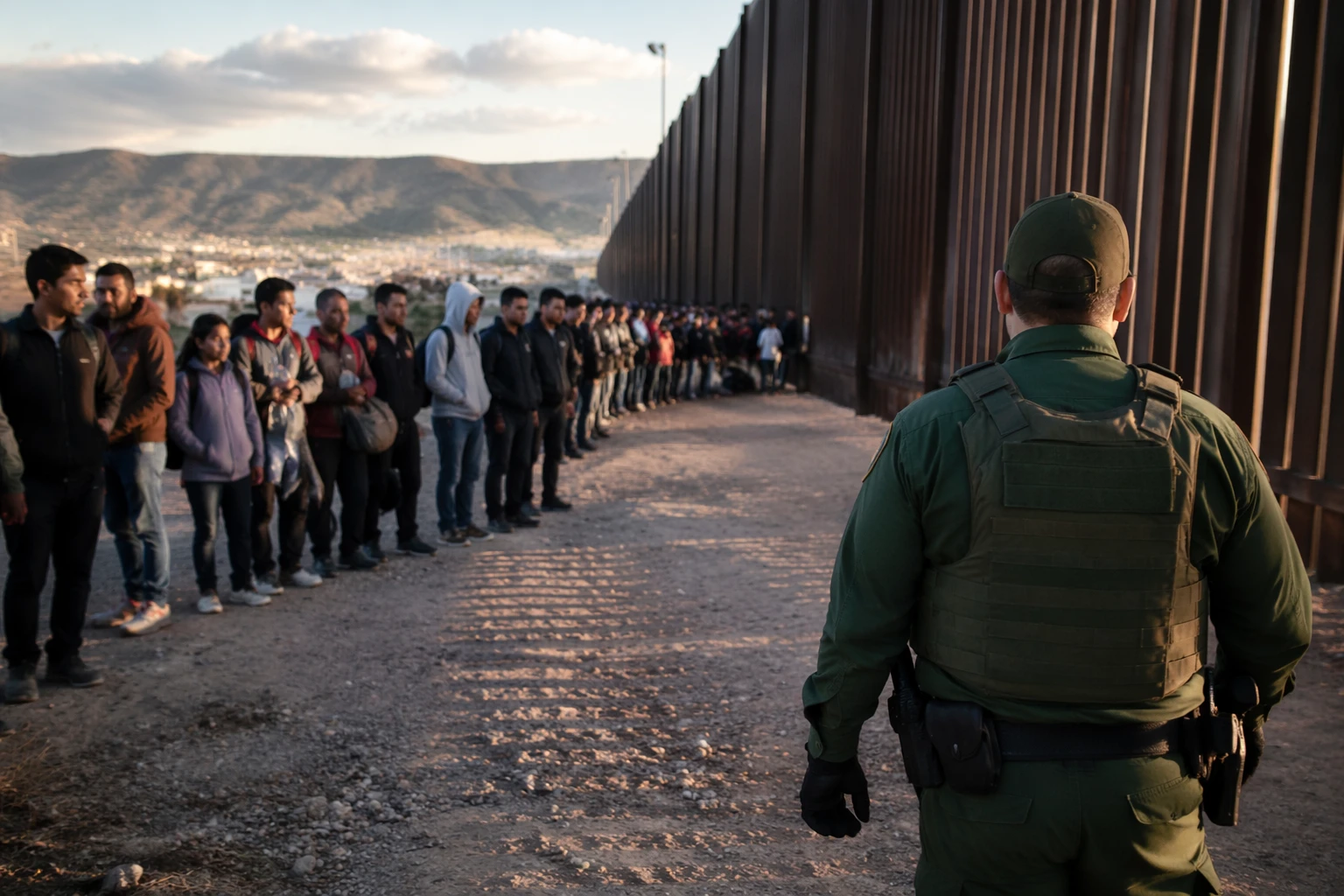
The second case, Mullin v. Al Otro Lado, came out of a 2016 surge in arrivals at ports of entry, when U.S. Customs and Border Protection said volumes had exceeded safe processing capacity. The court’s ruling allows immigration agents to stop asylum seekers before they physically cross the border and makes clear that, under the Immigration and Nationality Act, an alien does not “arrive in the United States” merely by standing on the Mexican side of the line. That opens the door to reviving a restrictive metering policy first adopted in 2016, when border officials limited how many people could be processed at a given time.
The twin rulings arrive as the court’s conservative majority continues to back broad executive power over immigration, including in other Trump-related disputes over green-card holders accused of crimes, long-term detention without bond hearings and other parts of the administration’s crackdown. For border agents, the immediate effect is more discretion. For migrants, it means fewer procedural barriers. For presidents to come, it expands the precedent for unilateral immigration enforcement.
Sources
- [1]cbsnews.com
- [2]news.bloomberglaw.com
- [3]politico.com
- [4]supremecourt.gov
- [5]usnews.com