Politics
Supreme Court ends term with mixed wins for Trump, conservatives
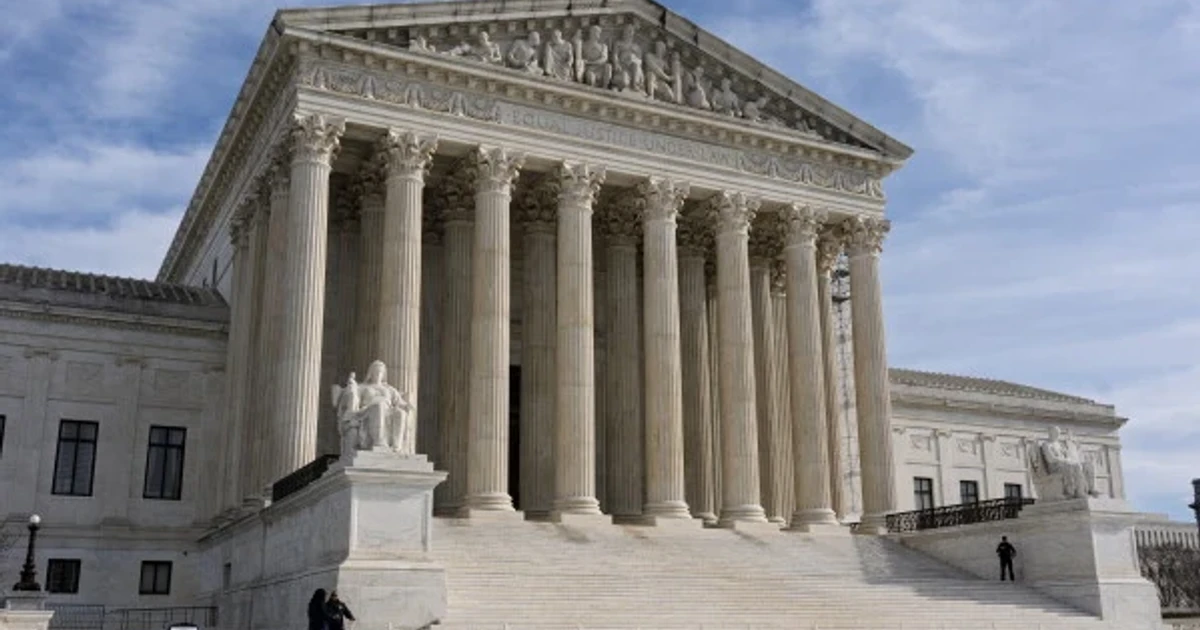
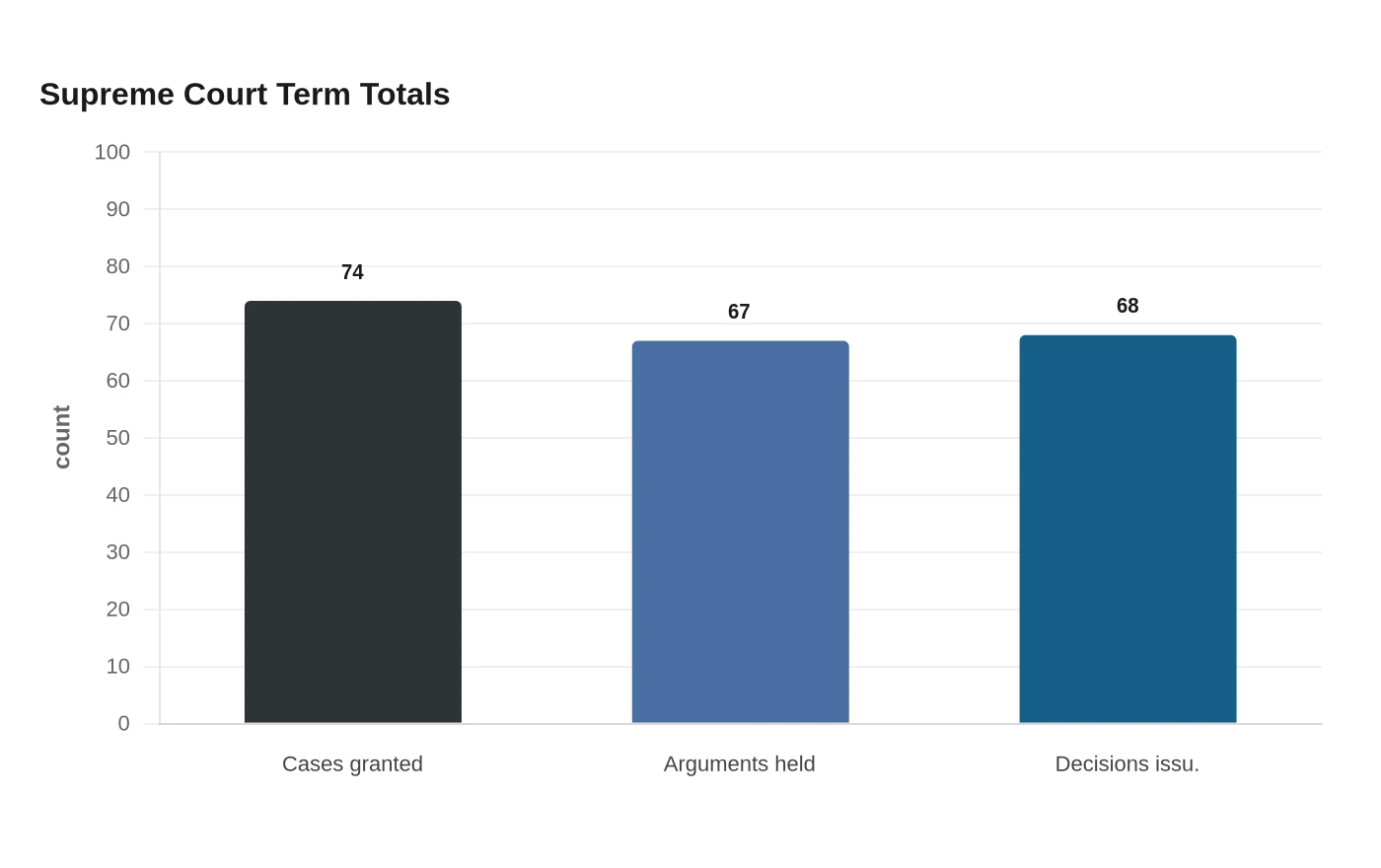
The Supreme Court ended its 2025-26 term with 74 cases granted, 67 arguments held and 68 decisions issued, leaving Donald Trump with a mixed record that cut both ways for the conservative legal movement. The justices blocked his effort to narrow birthright citizenship and checked his moves on tariffs and Federal Reserve independence, but they also made it harder for lower courts to issue nationwide injunctions and advanced conservative positions in elections, immigration, social issues and campaign finance.
The sharpest procedural turn came on June 27, 2025, when the court limited nationwide injunctions in litigation tied to Trump’s birthright-citizenship order. That ruling did not settle the constitutionality of the order itself, but it changed the playbook for future lawsuits against executive action, making it harder for one federal judge to freeze a policy nationwide at the outset. When the justices reached the merits on June 30, 2026, they struck down Executive Order No. 14160, Protecting the Meaning and Value of American Citizenship, and reaffirmed the constitutional protection for people born in the United States.
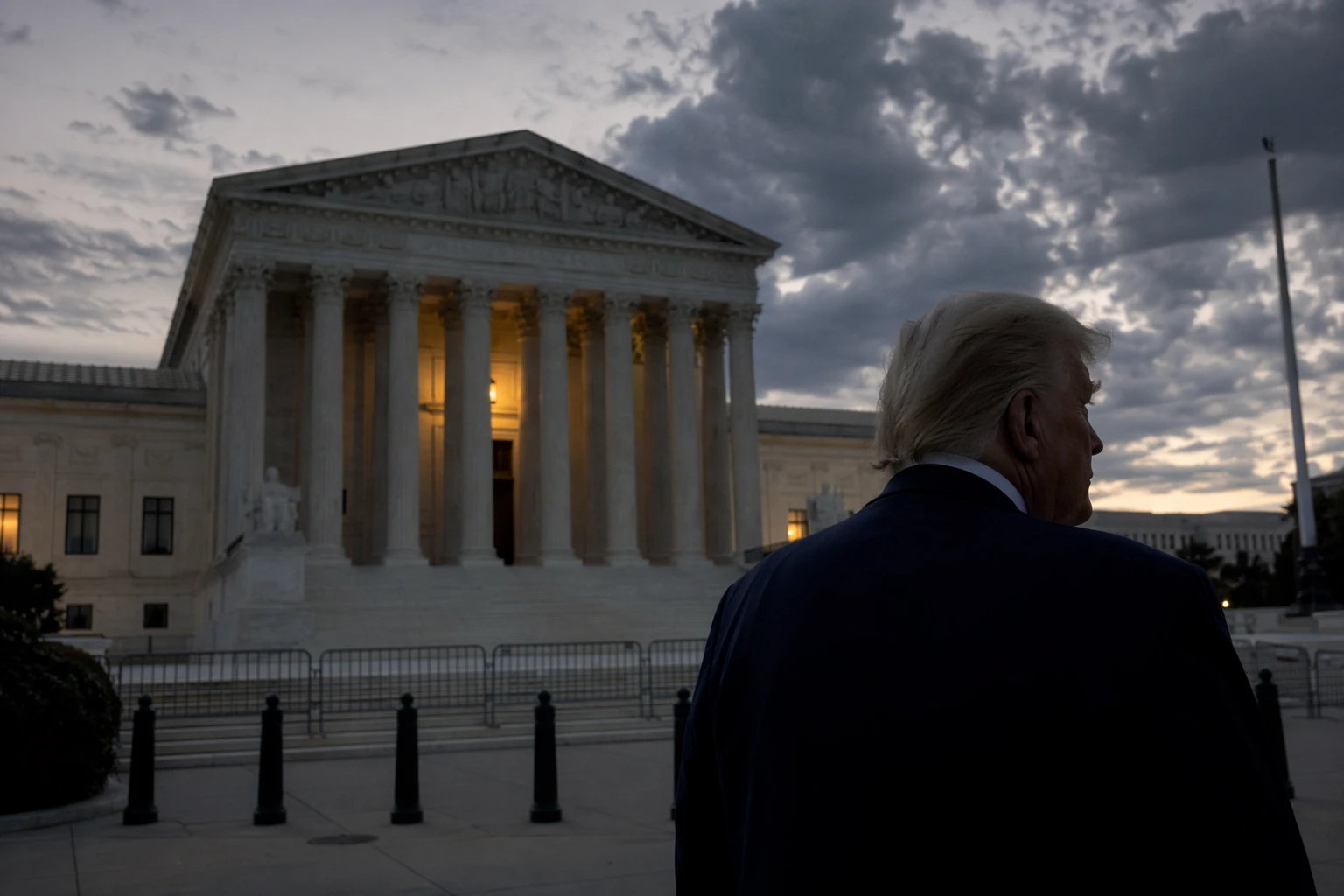
Trump had turned the fight into a political spectacle by attending oral argument on April 1, 2026, as the case became one of the term’s most visible tests of presidential power. That showdown captured the tension running through the term: the court was willing to curb Trump personally, but not necessarily the legal tools that conservative lawyers have spent years building to limit judges, narrow remedies and shift power upward.
Watson v. Republican National Committee showed the other side of that ledger. In a 5-4 ruling on June 29, 2026, Justice Amy Coney Barrett wrote the majority opinion upholding Mississippi’s rule that absentee ballots postmarked by Election Day can still be counted if they arrive within five days. The decision preserved a grace period that may influence ballot-counting fights in other states, even as conservatives continue to challenge election rules in court.
The term’s scorecard suggests the conservative legal theory that has dominated the Roberts Court still predicts method more reliably than it predicts every result. The justices remained committed to a 6-3 conservative majority, and Chief Justice John Roberts helped manage the court’s public posture while Barrett emerged as a pivotal vote in major cases. But the results also showed the limits of reading the court as a simple instrument of Trump or of any single ideological camp. On birthright citizenship, the court rejected Trump’s end run. On injunctions and election administration, it kept handing conservatives durable structural wins.
Sources
- [1]nytimes.com
- [2]scotusblog.com
- [3]supremecourt.gov
- [4]abcnews.com