Politics
Supreme Court expands gun rights, strikes down Hawaii permit law
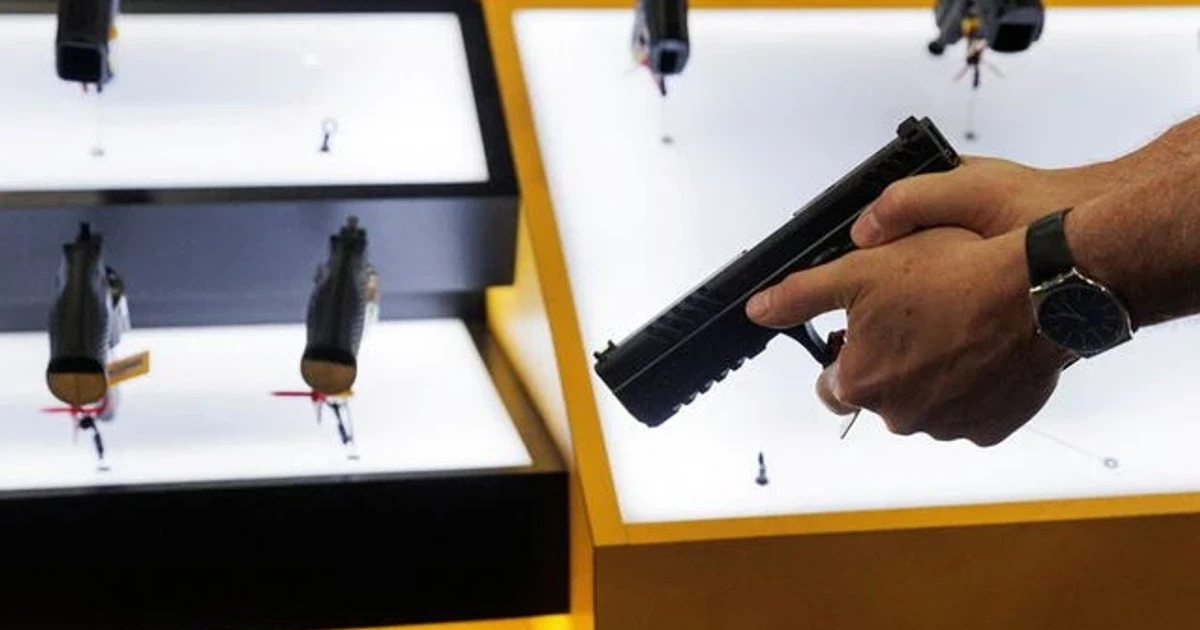
The Supreme Court on Thursday struck down Hawaii’s permit-on-entry rule and narrowed a federal ban on gun possession by certain drug users. Both rulings were issued in the court’s current term.
In Wolford v. Lopez, a 6-3 majority led by Justice Samuel Alito said Hawaii could not require a licensed carrier to obtain the express and affirmative consent of a property owner before bringing a handgun onto private property open to the public. Hawaii Governor Josh Green signed the law as Act 52 in 2023, but the court said the state had made it almost impossible for years to obtain a carry license and then responded to Bruen with a new rule that produced a similar result. The law covered ordinary places people visit every day, including gas stations, restaurants and stores. Justice Amy Coney Barrett wrote separately, with Justices Clarence Thomas and Neil Gorsuch joining part of her view, while Justices Elena Kagan and Ketanji Brown Jackson dissented; Jackson was joined by Justice Sonia Sotomayor.
Licensed carriers can now enter many privately owned public-facing businesses unless the owner posts that guns are banned.
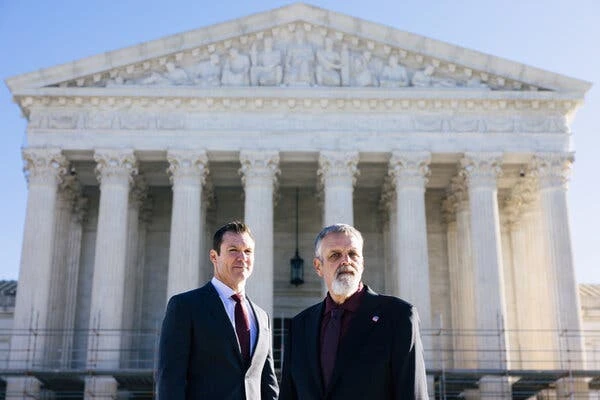
The challenge to the Hawaii law came from three Maui residents with concealed-carry permits and a Honolulu-based gun-rights group, with the Trump administration backing the appeal. After the ruling, Hawaii Attorney General Anne Lopez said the state was reviewing the decision, and Green said residents and visitors should continue to follow posted restrictions and other Hawaii firearms laws while that review continues. Green added, “Having more guns in society, we will have more of these incidents, but Supreme Court made that ruling, so we’ll abide by it.”
The court paired the Hawaii ruling with United States v. Hemani, decided June 18, 2026, in which it held that the federal government could not prosecute Texas resident Ali Danial Hemani under 18 U.S.C. §922(g)(3) as applied to him. Hemani, a dual U.S.-Pakistan citizen born in Texas who lived most of his life in the Dallas area, told investigators he used marijuana about every other day. By requiring gun laws to fit the nation’s historical tradition of firearm regulation, the court narrowed how the unlawful-user ban can be used against marijuana users and other drug users with guns.