Politics
Supreme Court expands presidential immunity, upholds mail-in ballot counting rules
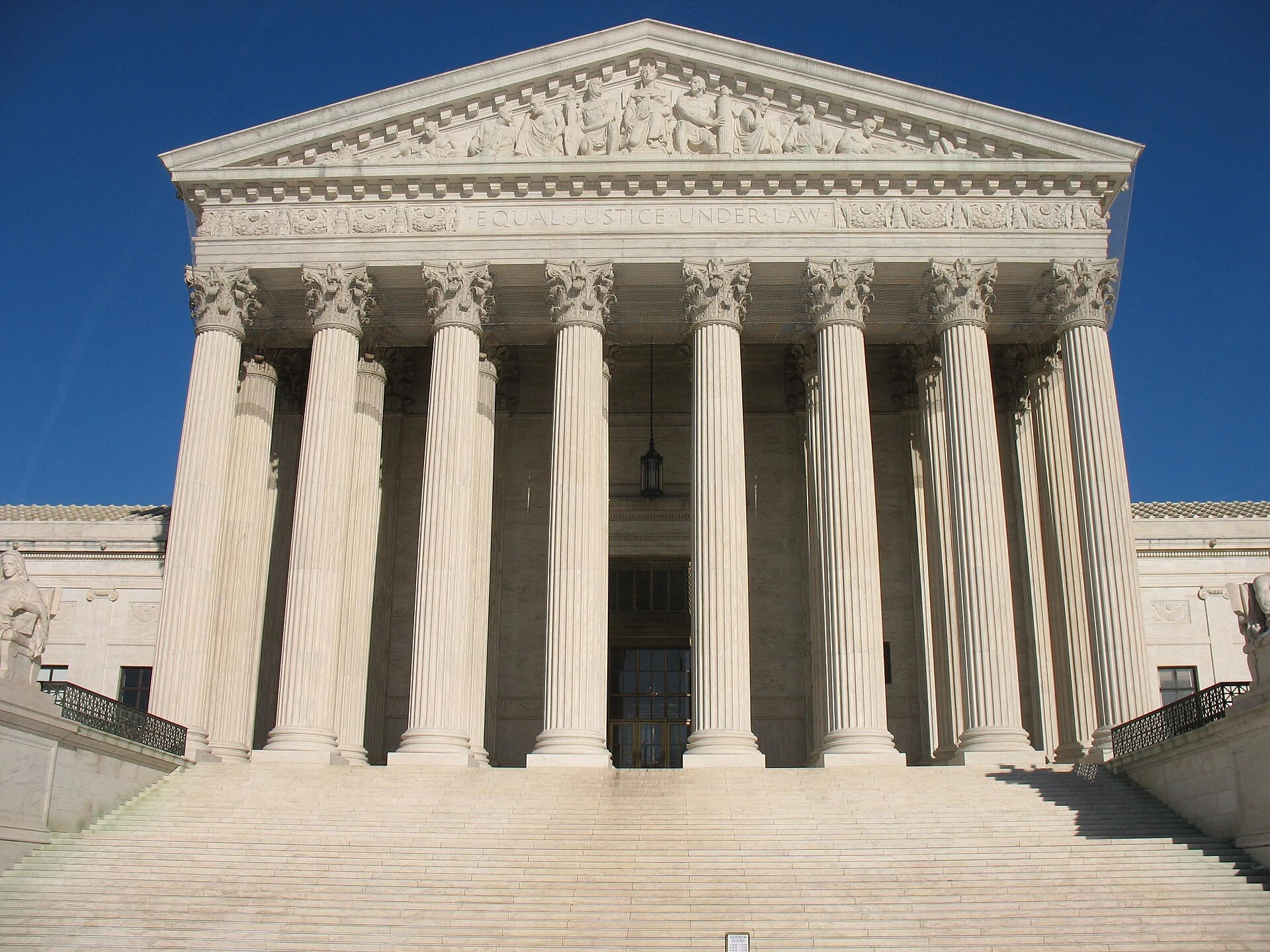
The Supreme Court widened the bounds of presidential power twice in ways that now shape Donald Trump’s legal exposure and the mechanics of future elections. Its July 1, 2024, 6-3 immunity ruling sent Trump’s Washington election-subversion case back to the trial court and made any pre-election trial unlikely, while its June 29, 2026, 5-4 decision preserved state rules that let timely mailed ballots be counted after Election Day.
Chief Justice John Roberts wrote in the 2024 case that former presidents have absolute immunity for core constitutional powers and at least presumptive immunity for other official acts. Justice Sonia Sotomayor dissented, warning that the decision left the president effectively “a king above the law.” President Joe Biden called it a dangerous precedent and urged voters to decide whether Trump should return to the White House knowing he would be emboldened by the ruling. The case, brought by special counsel Jack Smith and returned to U.S. District Judge Tanya Chutkan, was widely seen as a turning point because a trial before the 2024 election became far less likely.
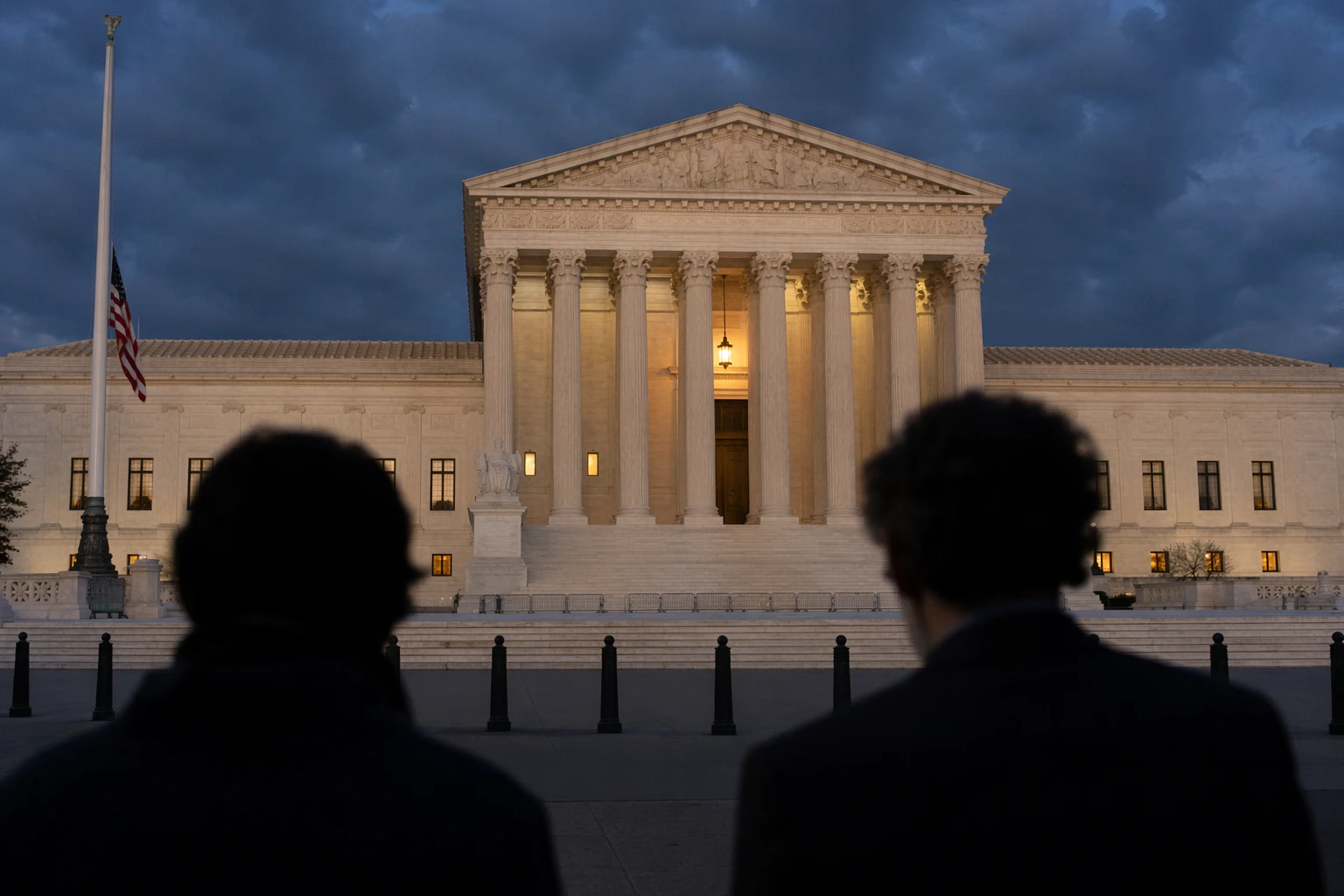
That immunity ruling did not stand alone. It followed other Supreme Court moves that had already changed the campaign terrain, including the justices’ rejection of efforts to keep Trump off the ballot over his conduct after the 2020 election and a narrowing of the obstruction charge used against Jan. 6 defendants. Together, those decisions gave Trump and future presidents a broader field to argue that conduct tied to governing or constitutional authority should be shielded from criminal law, while shifting more of the accountability fight into voters’ hands and the slow pace of trial courts.
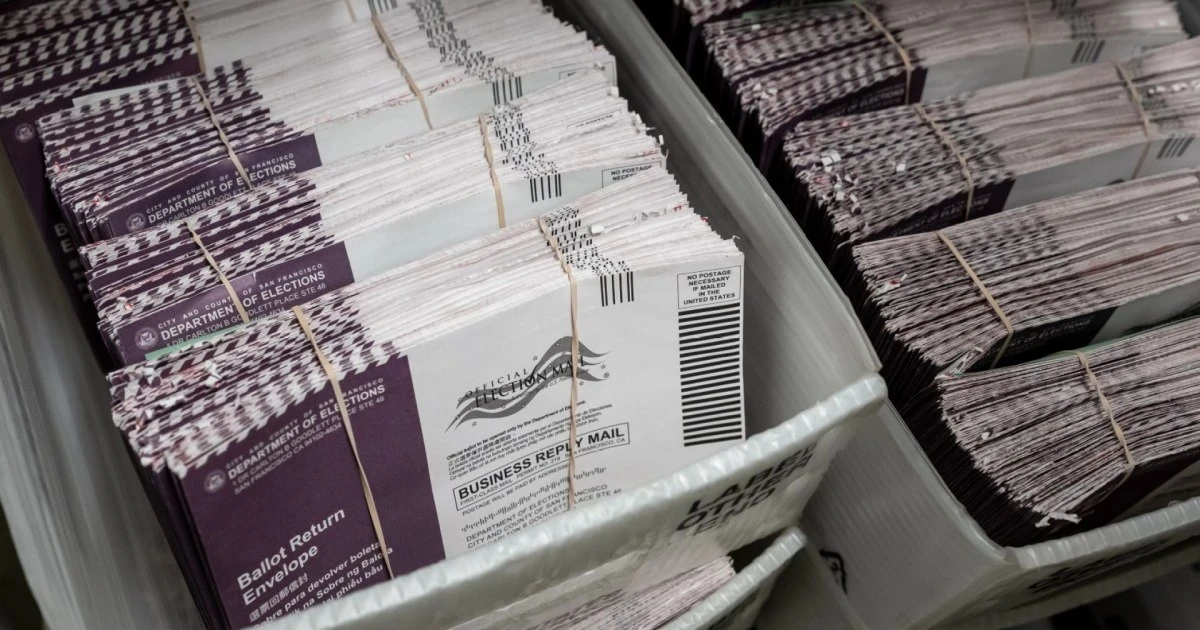
The 2026 mail-ballot case moved in the opposite direction for Trump’s election strategy. Writing for the majority, Justice Amy Coney Barrett said federal election statutes do not override state policies for ballots that arrive after Election Day if they were postmarked by then or otherwise determined to have been cast on time. The ruling preserved grace-period systems in about 29 to 30 states, including Mississippi’s five-day grace period that was directly at issue. Justice Samuel Alito, joined by three other justices, dissented and said the decision conflicted with the text, history and precedent tied to Election Day.
The practical effect reaches far beyond Mississippi. More than 10,000 local election jurisdictions administer U.S. elections under different state and local rules, and the ruling leaves that patchwork intact for now. Trump called the decision a “tremendous loss” and kept pressing Congress to pass his SAVE America Act, but election officials and voting-rights advocates said the court had again preserved state authority over how ballots are counted and when timely votes are accepted.
Sources
- [1]nytimes.com
- [2]ap.org
- [3]reuters.com
- [4]politico.com
- [5]abcnews.go.com
- [6]apnews.com