Politics
Supreme Court expands presidential power over FTC firings, overturns precedent
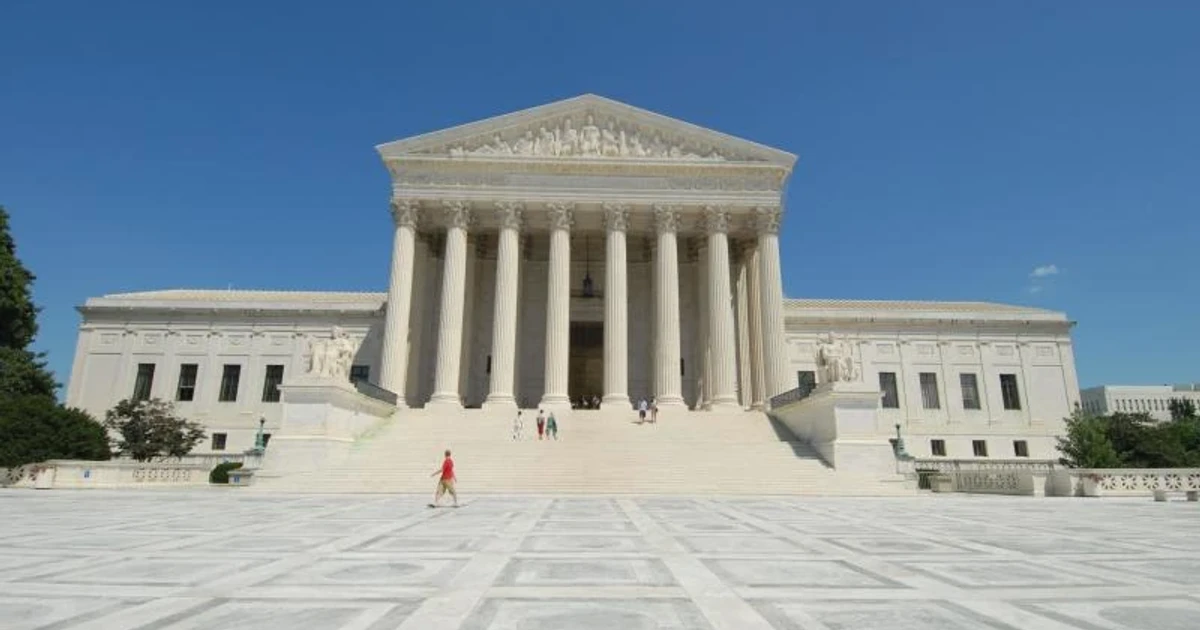
The Supreme Court expanded presidential power over the Federal Trade Commission, backing Donald Trump’s firing of Commissioner Rebecca Kelly Slaughter and overturning Humphrey’s Executor, the 1935 ruling that had long limited the president’s ability to remove FTC commissioners. The court’s decision also said the Federal Reserve’s independence remains intact, drawing a line even as it widened White House control over other independent agencies.
Slaughter had argued that agencies like the FTC were created as watchdogs over powerful corporations and should not be subject to presidential interference. The commission itself was born in the Progressive Era, when President Woodrow Wilson signed the Federal Trade Commission Act on September 26, 1914, and it opened its doors on March 16, 1915, in Washington. From the start, the agency was designed as an independent regulator to protect consumers and promote competition at 600 Pennsylvania Avenue, N.W.
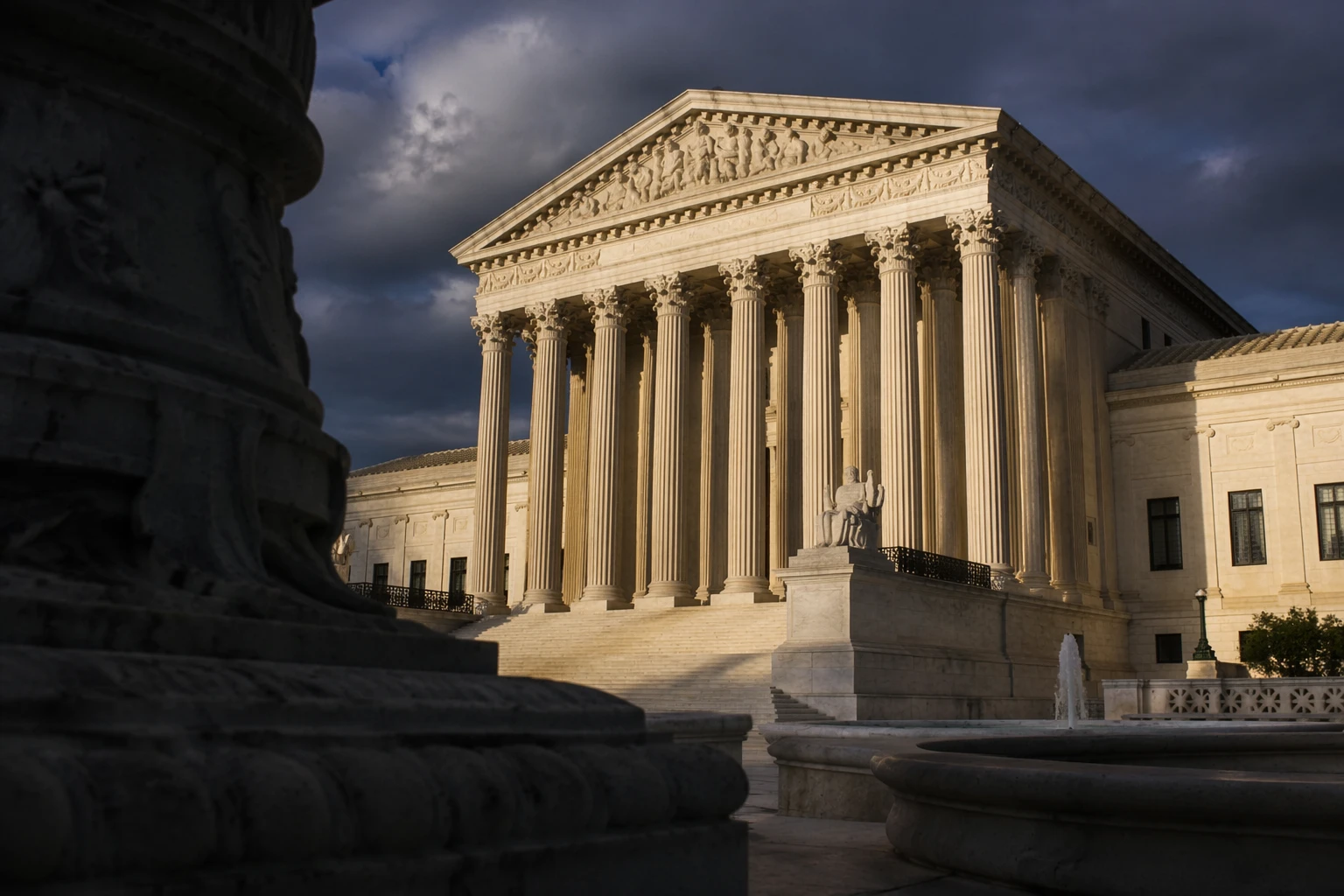
Humphrey’s Executor v. United States, decided on May 27, 1935, upheld congressional limits on the president’s removal power and became the central precedent protecting FTC commissioners from at-will dismissal. The law fixed commissioner terms and allowed removal only for inefficiency, neglect of duty or malfeasance in office, a structure that helped define the modern boundaries between the White House and independent regulators. By overruling that precedent in Trump v. Slaughter, the court shifted authority toward the presidency in a way critics say could reach far beyond one commissioner or one agency.
The dispute began after Slaughter was fired in March 2025 without cause, and a federal judge ruled in July 2025 that the dismissal was illegal and that she could return to her post. The Supreme Court’s ruling reversed that outcome. Justice Sonia Sotomayor dissented sharply, warning that the decision reshaped the government and could unleash chaos.
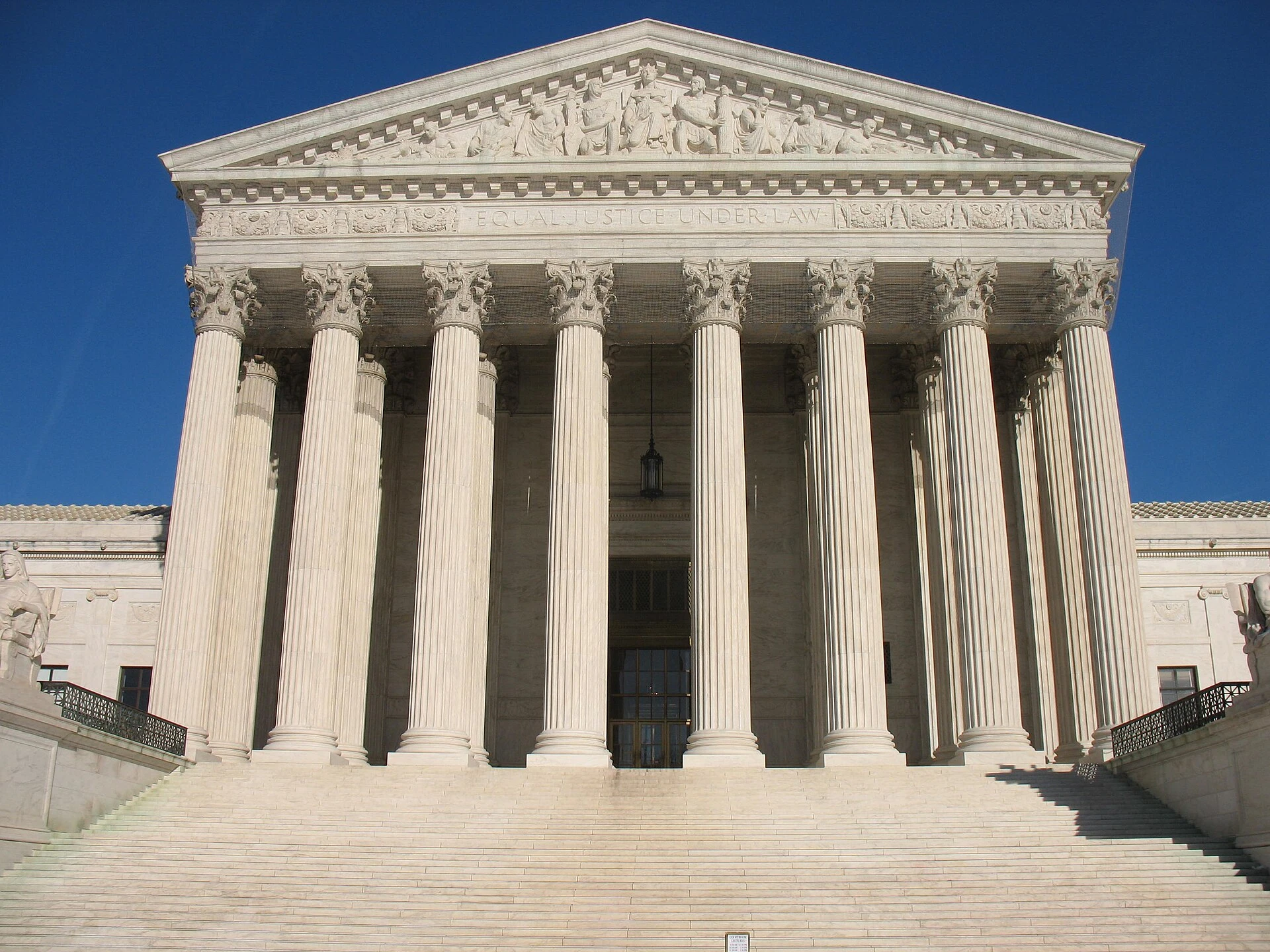
The practical stakes extend well beyond the FTC. The commission enforces antitrust and consumer protection laws across the economy, from merger review to unfair practices cases, and its independence has long been treated as a check on direct political pressure from the Oval Office. By making it easier for presidents to remove commissioners at will, the court has opened the door to a broader test of how much control the White House can exert over the federal watchdogs that police major corporations and markets.
Sources
- [1]nytimes.com
- [2]ftc.gov
- [3]supreme.justia.com
- [4]politico.com
- [5]scotusblog.com
- [6]cnbc.com