Politics
Supreme Court expands presidential power over regulators, preserves Fed independence
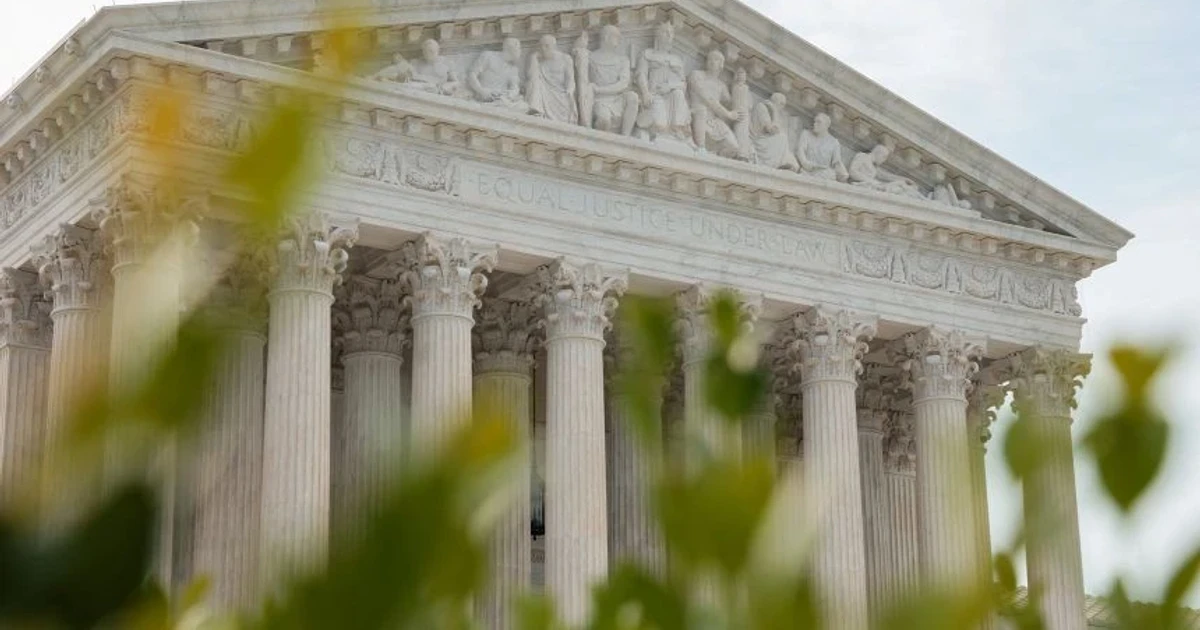
The Supreme Court widened presidential control over much of the federal regulatory state on June 29, 2026, while drawing a bright line around the Federal Reserve. In twin rulings, the justices let President Donald Trump fire independent regulators at will in the Federal Trade Commission case, but kept Fed governor Lisa Cook in her job for now as she fights Trump’s bid to remove her.
The sharper break came in the FTC case, where the court voted 6-3 to let Trump dismiss Rebecca Slaughter, a Democratic FTC commissioner whom he had sought to remove over policy differences. That ruling effectively overruled Humphrey’s Executor v. United States, the 1935 precedent that had allowed Congress to protect certain multi-member agencies from at-will presidential removal. The decision reached far beyond one commissioner: it affects roughly two dozen multi-member agencies Congress had intended to keep independent, from consumer protection to workplace and safety regulation.
The Fed case moved in the opposite direction. The court voted 5-4 to allow Lisa Cook to remain a Federal Reserve governor while litigation over her attempted removal continues. Lower courts had blocked Trump’s effort before the justices acted, and the Supreme Court’s order left Cook in place for now. The court also distinguished the Federal Reserve from other independent agencies and said its leaders could not be fired at will, preserving a tradition of central bank independence that the justices treated as unique.
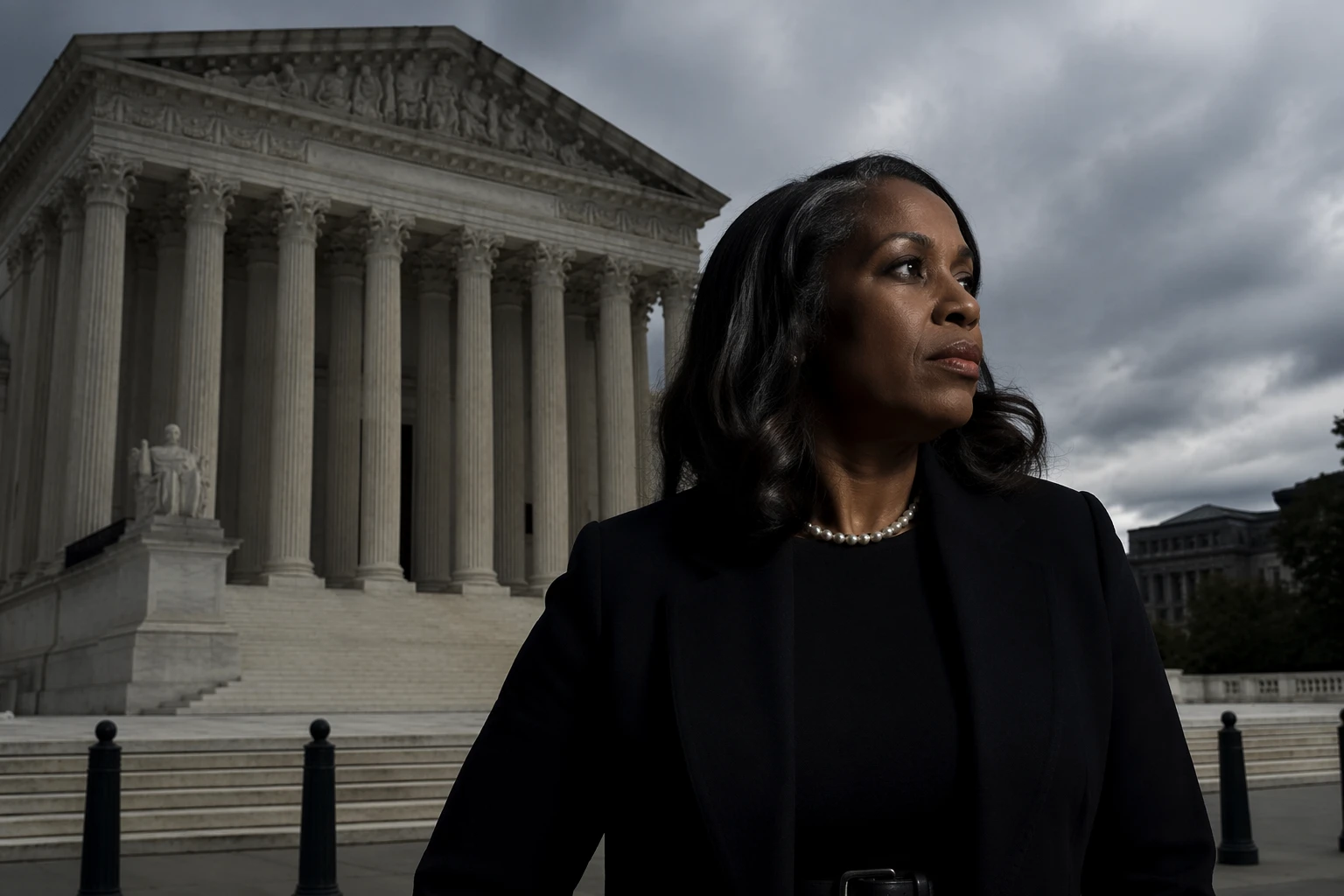
Trump called the FTC ruling a “BIG WIN.” Cook said the court’s action defended central bank independence. That split matters because the two decisions redraw the balance of power between the White House and the agencies that shape daily life, while leaving the central bank partially insulated from direct political control.
For markets, the Fed carve-out is the most consequential part of the day’s order. Fed independence influences mortgage rates, borrowing costs, inflation policy and broader market confidence, all of which turn on whether policymakers can set interest rates without direct White House pressure. The court’s FTC ruling hands future presidents more direct control over regulators who oversee consumer complaints, labor rules and product safety, but its Fed decision keeps the central bank in a separate category for now.
Sources
- [1]news.google.com
- [2]nytimes.com
- [3]scotusblog.com
- [4]supremecourt.gov
- [5]apnews.com
- [6]cnbc.com
- [7]reuters.com