Politics
Supreme Court expands Trump firing power, upholds mail ballot grace period
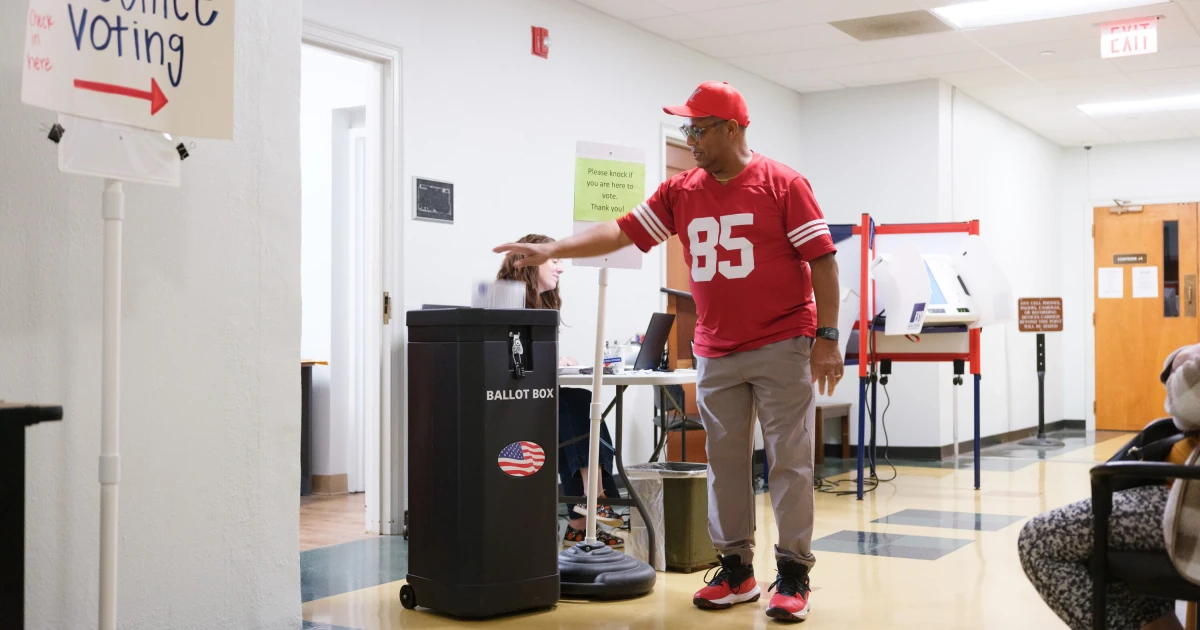
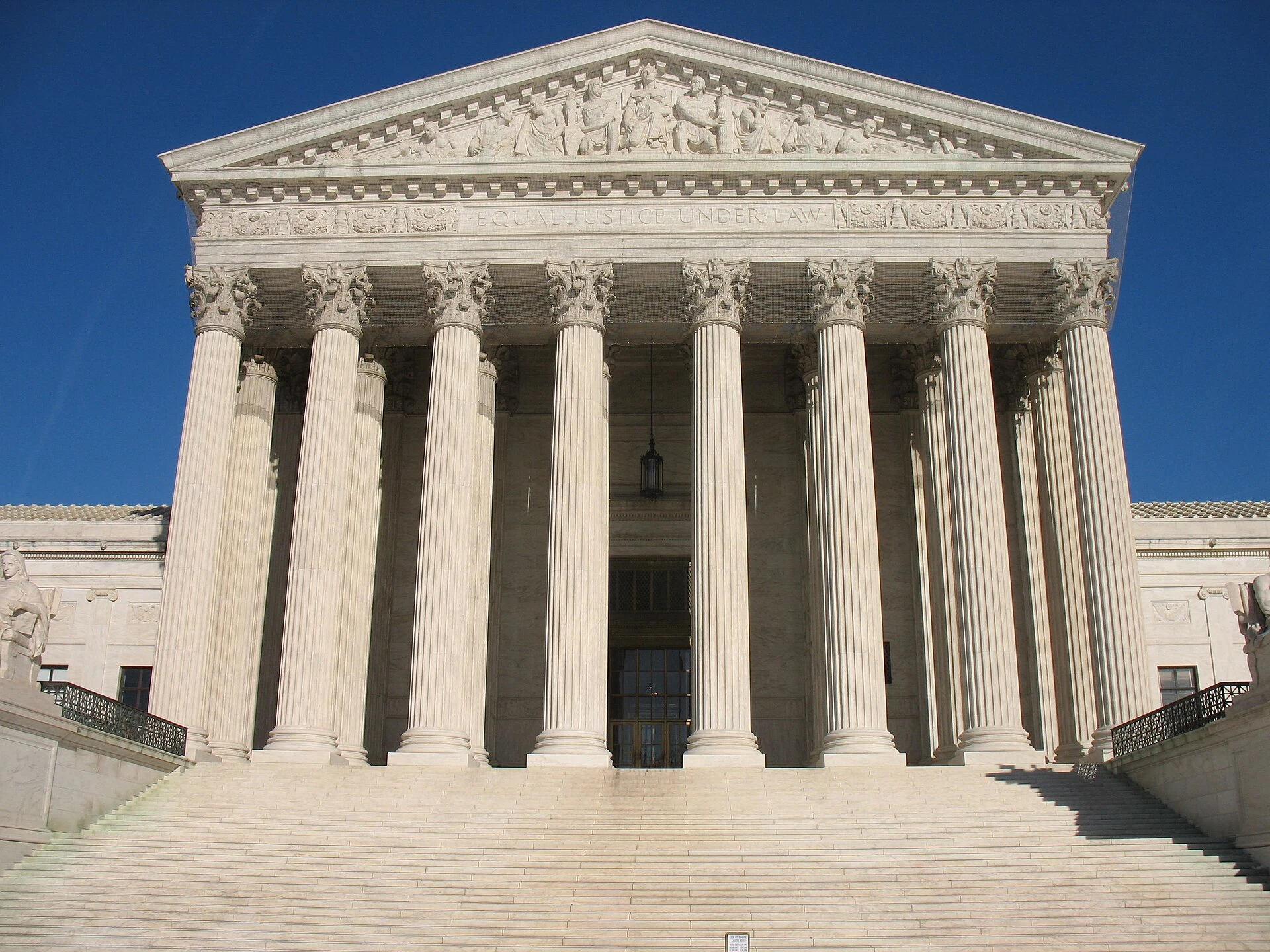
The Supreme Court expanded Donald Trump’s power to remove federal officials on Monday and separately upheld a Mississippi rule that lets election workers count ballots postmarked by Election Day if they arrive within five days. The rulings, issued at the end of the Court’s 2025-26 term, touched two of the most politically sensitive areas in Washington: control of the federal bureaucracy and the mechanics of voting by mail.
In Trump v. Slaughter, the justices said Trump lawfully fired Federal Trade Commissioner Rebecca Kelly Slaughter, overturning a 90-year-old precedent that had protected some independent-agency officials from removal without cause. The decision gives presidents more room to reshape agencies such as the Federal Trade Commission, where commissioners had long been insulated from abrupt dismissal. At the same time, the Court said Federal Reserve Governor Lisa Cook can remain in her job for now. Chief Justice John Roberts wrote the opinion in Cook’s case, which was argued on January 21, 2026, and the Court noted that Cook was the first Fed governor fired in the central bank’s 111-year history.
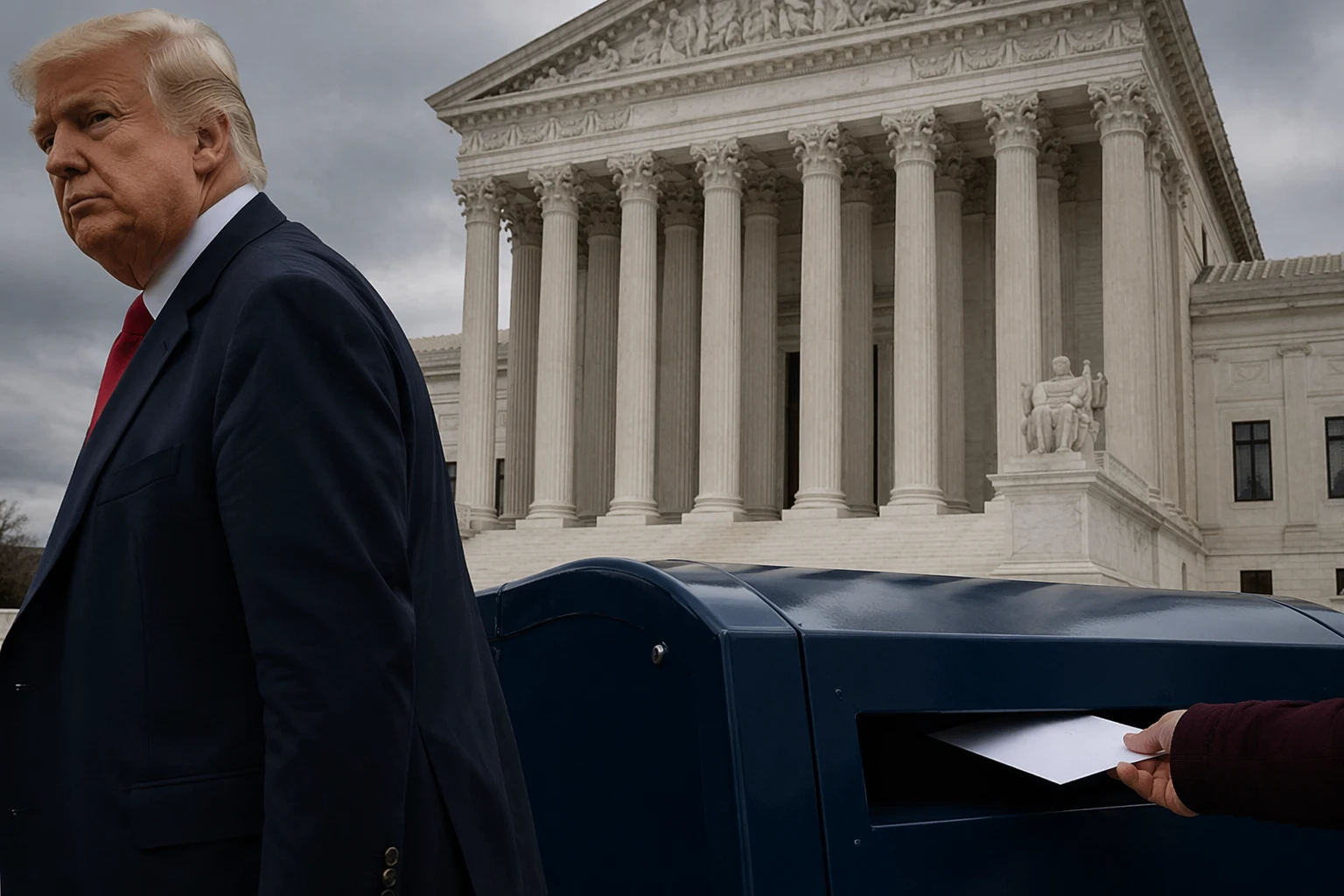
The split outcome left the Federal Reserve standing apart from the broader expansion of presidential firing power. The Cook ruling preserved the central bank’s independence for now, while the Slaughter case weakened long-standing limits on who can be removed from independent agencies. Together, the decisions will shape how much leverage future presidents have over the federal workforce, especially in posts that were designed to sit at a distance from the White House.
On election law, the Court upheld Mississippi’s mail-ballot grace period, allowing ballots postmarked by Election Day to count if they arrived up to five days later. The dispute centered on whether federal law blocks states from counting ballots received after Election Day. The ruling protects similar systems in 14 states and Washington, D.C., while 29 states and Washington, D.C., also allow at least some military and overseas ballots to be counted after Election Day. Election officials in states with grace periods said they were relieved, and the decision is a setback for Republican efforts to tighten voting-by-mail rules.
Sources
- [1]cbsnews.com
- [2]supremecourt.gov
- [3]apnews.com