Politics
Supreme Court faces Trump power fights in term's final stretch
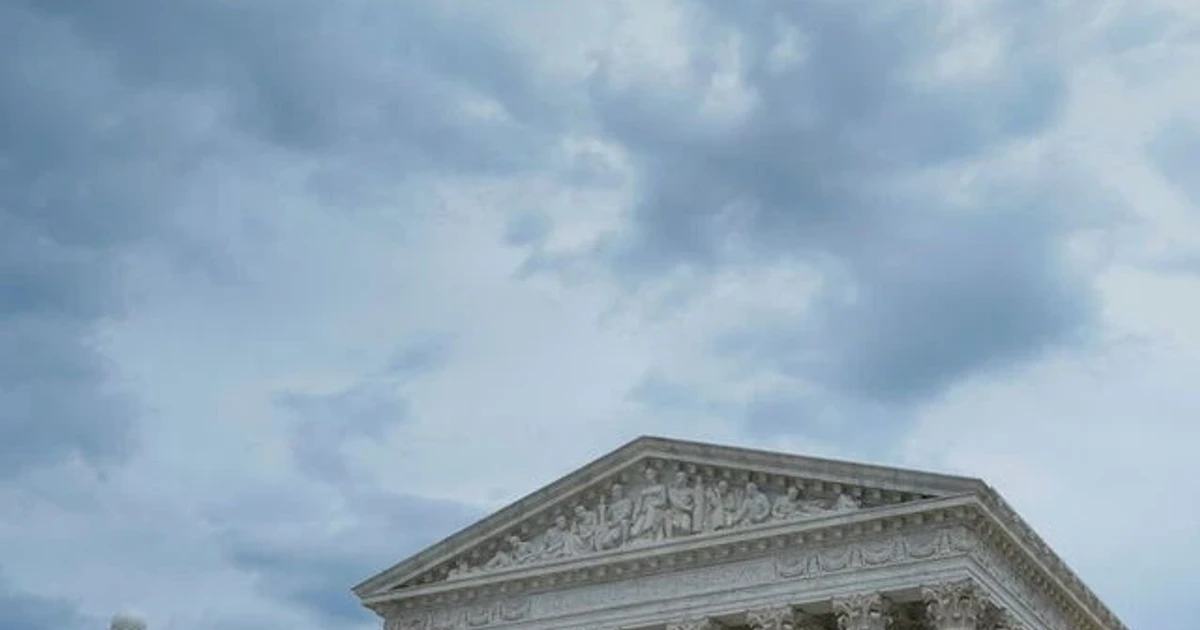
The Supreme Court issued five rulings Tuesday and was set to release more opinions Thursday, leaving a stack of Trump-driven cases to define how far a president can push executive power. The final stretch of the term has become a test of whether Donald Trump can claim broader control over agencies, immigration policy and the legal guardrails that limit the White House.
That pressure comes at the end of a term that began on the first Monday in October and normally runs into late June or early July. NBC News counted 20 cases still undecided on June 17, and the court has moved through a docket where some of the most consequential disputes involve Trump’s second-term agenda rather than the usual mix of statutory or procedural fights.
The sharpest flashpoint is Trump v. Barbara, the birthright-citizenship case heard April 1 over Executive Order 14160, titled Protecting the Meaning and Value of American Citizenship. The order targets citizenship for children born in the United States to some noncitizens, and the challengers are also fighting to preserve access to benefits tied to citizenship, including Social Security, SNAP and Medicaid. A federal judge in New Hampshire issued a preliminary injunction and provisionally certified a nationwide class, making the case about more than one policy: it also asks how far a president can go before the courts stop a sweeping order.
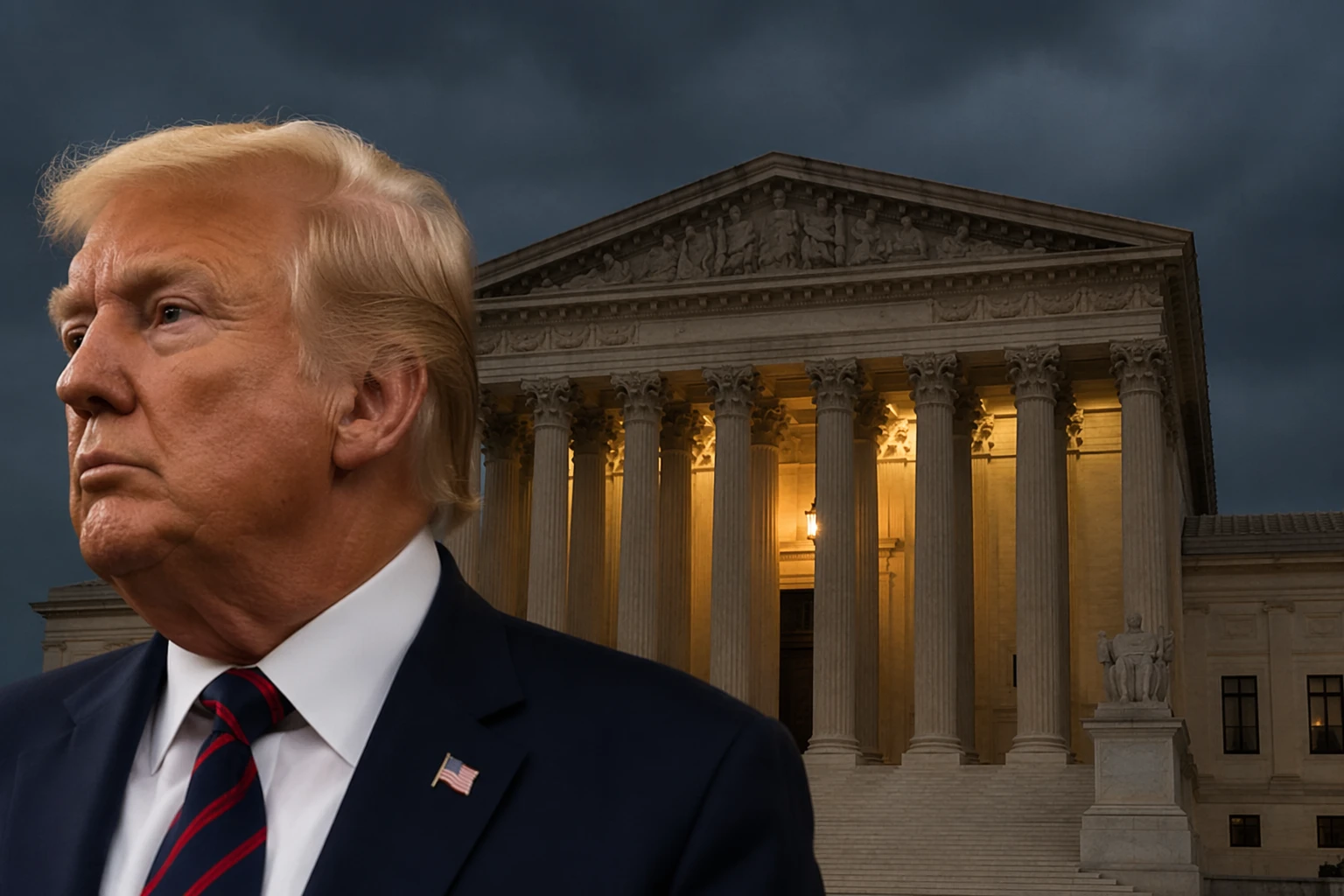
A second case goes to the structure of the federal government itself. Lisa Cook’s fight is the first-ever attempted presidential removal of a Federal Reserve Board governor, and it puts at issue whether a president can fire a governor “for cause.” The Fed has seven governors and has long been treated as an independent agency, so a ruling for Trump would not just affect Cook. It would widen presidential control over one of the few major institutions built to stand apart from day-to-day politics.
The court has also agreed to hear disputes over Haiti and Syria’s temporary protected status. It took up the cases on March 16, with oral argument set for April 29. USCIS says Haiti’s TPS designation and related benefits were slated to end on February 3, 2026, but a federal judge stayed that decision a day earlier. The outcome could affect hundreds of thousands of people from Haiti and Syria and, if the administration’s legal theory prevails, potentially touch the broader TPS program covering 17 countries.
The stakes are amplified by the court’s own recent pattern. Its 6-3 conservative majority includes three Trump appointees, and the nine-justice court has already granted Trump relief repeatedly on the emergency docket. Ballotpedia counted 35 emergency orders tied to the second Trump administration as of June 23, and Bloomberg Law said the court has ruled for Trump in more than 75% of emergency-docket matters over the last year. The opinions still to come could decide whether those interim victories become a lasting expansion of presidential power.
Sources
- [1]usnews.com
- [2]thestar.com.my
- [3]supremecourt.gov
- [4]nbcnews.com
- [5]scotusblog.com
- [6]oyez.org
- [7]americanbar.org
- [8]uscis.gov
- [9]aclunorcal.org
- [10]ballotpedia.org
- [11]news.bloomberglaw.com