Business
Supreme Court lets ExxonMobil sue Cuba over seized property
The Supreme Court handed ExxonMobil a major victory on Tuesday, clearing the oil company to sue Cuban state-owned businesses in U.S. courts over property confiscated after Fidel Castro took power. In a 6-3 ruling, the justices said the Helms-Burton Act itself strips sovereign immunity from Cuban agencies and instrumentalities sued under the law, a decision that could reshape decades of dormant claims tied to Cuba’s revolutionary seizures.
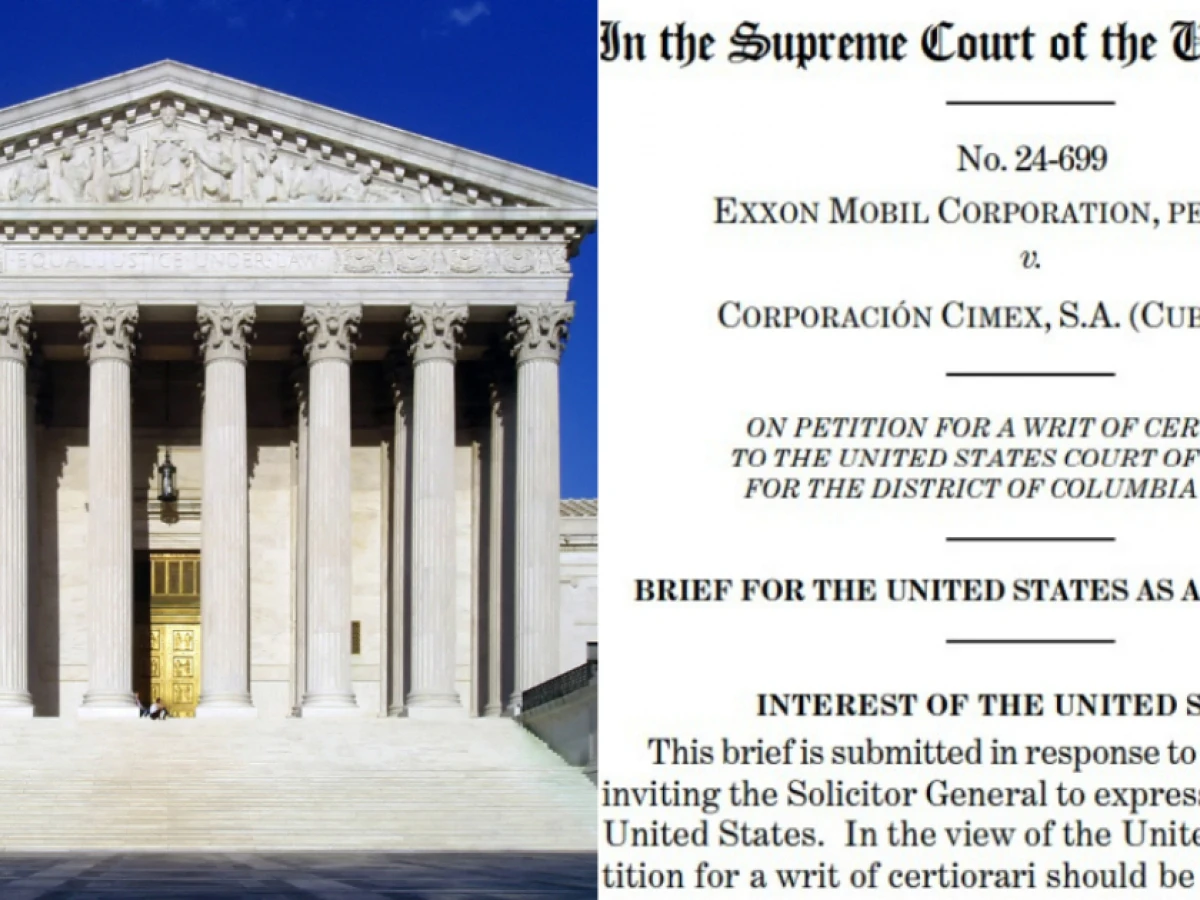
ExxonMobil’s case, Exxon Mobil Corp. v. Corporación CIMEX, S. A. (Cuba), No. 24-699, centered on assets seized in 1960, including an oil refinery, terminals, packaging plants and more than 100 service stations. Exxon sued Corporación CIMEX, Unión Cuba-Petróleo, or CUPET, and CIMEX’s Panamanian alter ego, seeking more than $1 billion in damages. The company traces the claim to Standard Oil subsidiaries whose property was confiscated after the revolution.
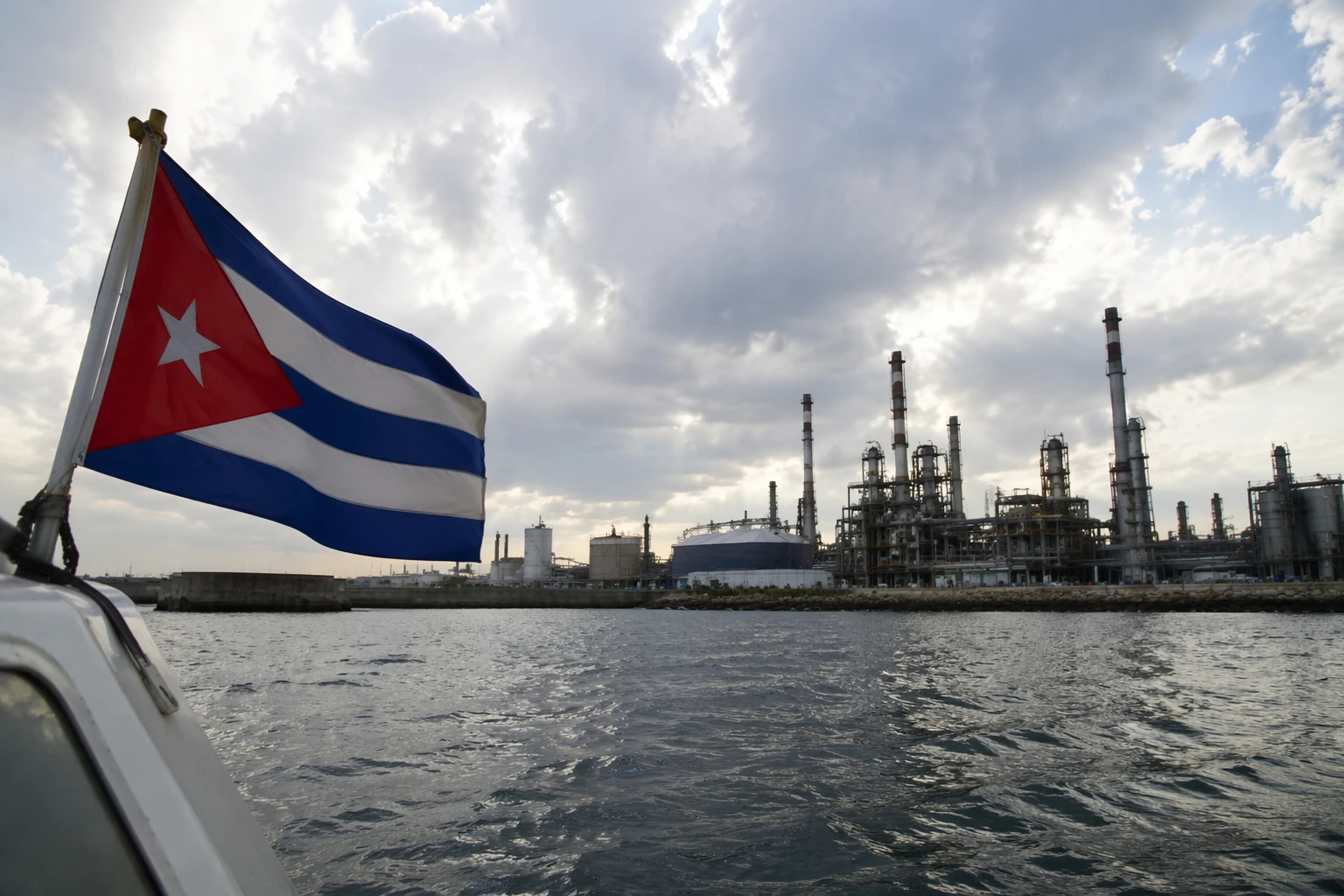
The ruling settled a fight that had divided lower courts for years: whether Title III of the 1996 Helms-Burton law removes the usual shield of sovereign immunity that protects foreign governments and their state-owned entities. The Supreme Court said it does, reversing a lower-court decision that had treated the Cuban defendants as immune. Exxon’s lawyers argued the case in February, and the Court issued the decision on June 23, 2026.
The precedent reaches well beyond ExxonMobil. The same law has become a vehicle for other U.S. claimants to pursue compensation for property Cuba seized more than six decades ago, and the Court has now endorsed that path in two Cuba-related cases in as many months. In May, the justices revived a separate dispute involving Havana Docks, letting claims move ahead against Royal Caribbean, Norwegian, Carnival and MSC over alleged trafficking tied to property used during the Obama-era thaw.
The political stakes are immediate. Helms-Burton’s Title III was repeatedly suspended by presidents until Donald Trump lifted that suspension in 2019, unleashing roughly 40 lawsuits in 2019 and 2020. The Exxon opinion also underscored the scale of the unresolved claims: the Foreign Claims Settlement Commission certified Exxon’s predecessor’s loss at $71.6 million in 1969, with 6% annual interest beginning in 1960, and later found nearly 6,000 individuals and businesses held claims against Cuba worth $1.9 billion before interest or damages. For Washington, the ruling gives new leverage against Havana. For companies and heirs with old confiscation claims, it opens another route into federal court.
Sources
- [1]usnews.com
- [2]supremecourt.gov
- [3]scotusblog.com
- [4]oyez.org
- [5]medillonthehill.medill.northwestern.edu
- [6]yahoo.com
- [7]usatoday.com