Technology
Supreme Court lets Texas app store age-verification law take effect
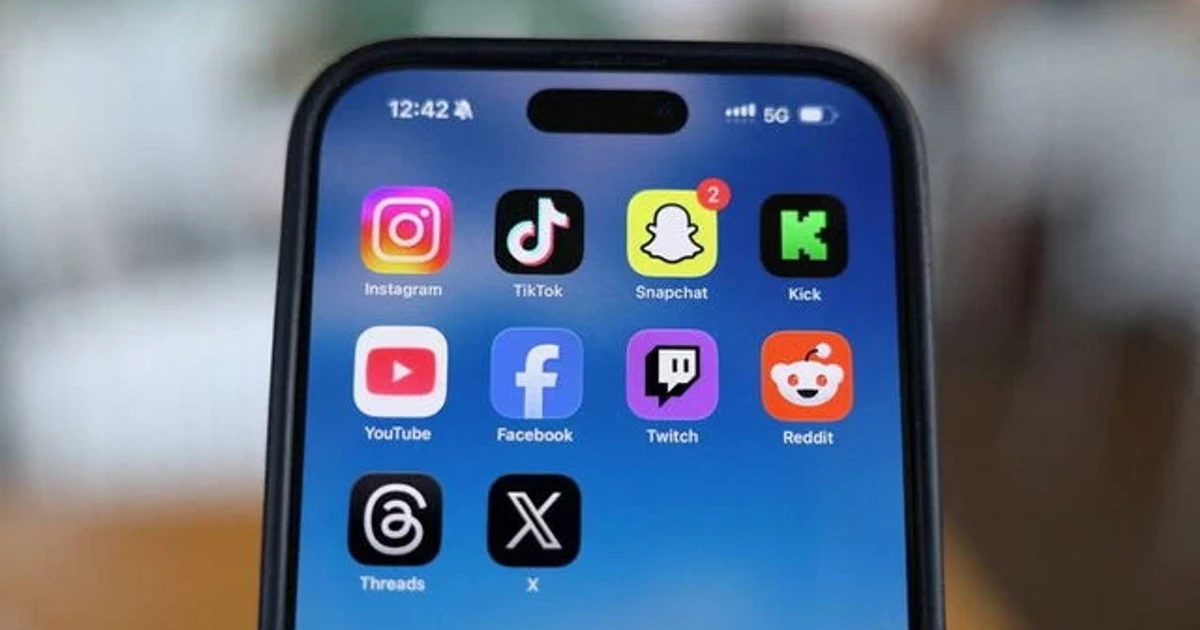
The U.S. Supreme Court declined Monday to block Texas Senate Bill 2420, letting the state enforce a law that forces app stores to verify users’ ages and secure parental consent before minors can download apps or make in-app purchases. The order leaves in place a Fifth Circuit stay that had already revived the statute after a district judge blocked it. With Apple and Google in the crosshairs, the case has become a national test of whether states can push age checks into the digital storefront that sits between families and the app economy.
Texas’ App Store Accountability Act, signed by Republican Gov. Greg Abbott and set to take effect Jan. 1, 2026, requires app stores to use a commercially reasonable method to verify a user’s age category. For accounts belonging to people under 18, the law requires a parent or guardian to be linked to the account, see the app’s age rating and approve the download before it can go through. The statute defines app stores broadly, reaching publicly available internet websites, software applications and other electronic services that distribute apps.

The Computer & Communications Industry Association, joined by Students Engaged in Advancing Texas and two individual students, says the law violates the First Amendment by burdening access to speech and forcing age screening before users can reach software that may contain social, educational and expressive content. In its emergency filing, CCIA warned that the Texas measure would impose a sweeping age-verification, parental-consent and compelled-speech regime. The group said it expected an expedited hearing in the Fifth U.S. Circuit Court of Appeals in early August.
The practical stakes extend well beyond one state. Apple said in June 2026 that Texas app-store rules were changing because of SB 2420, after the injunction was lifted, signaling that major platform operators may have to adjust account flows and parental controls for Texas users right away. Legal summaries of the statute say violations can draw civil penalties of up to $10,000 per violation, and the law also requires deletion of personal data collected during age verification, which puts privacy and data-retention rules at the center of the dispute.

Texas is also leaning on the Supreme Court’s June 27, 2025 decision in Free Speech Coalition, Inc. v. Paxton, a 6-3 ruling that upheld age verification for websites publishing sexually explicit material to minors. By refusing to step in now, the court left a live path for state lawmakers who want to regulate app marketplaces the same way, and for developers who may ultimately have to redesign age checks for a much larger national market than Texas alone.
Sources
- [1]usnews.com
- [2]supremecourt.gov
- [3]capitol.texas.gov
- [4]developer.apple.com
- [5]ccianet.org
- [6]politico.com