Politics
Supreme Court lets Trump end TPS for Haitians, Syrians and revive border turnbacks
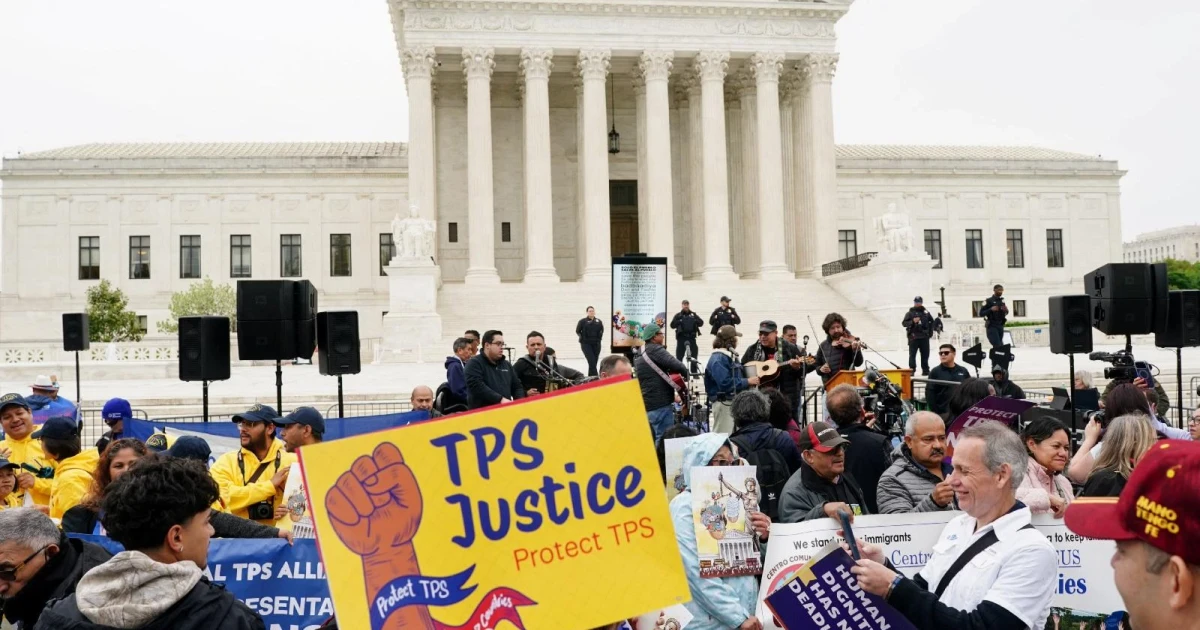
The Supreme Court handed President Donald Trump two major immigration victories on June 25, 2026, clearing the way for his administration to end Temporary Protected Status for Haitians and Syrians and to revive a border policy that lets officials turn back some asylum seekers before they enter the United States. The 6-3 rulings put more than 356,000 Haitian and Syrian immigrants at immediate risk and reopened a tool that widens White House control over the pace and reach of immigration enforcement.
The TPS decision lets the administration proceed with terminating protections that have shielded people from deportation and given them work authorization after upheaval at home. Haitians first received TPS after the 2010 earthquake, and Syrians were later covered after civil war tore through their country in 2011. Associated Press reporting has said TPS as a whole covers about 1.3 million people from 17 countries, giving the ruling reach well beyond Haiti and Syria and signaling the administration has more room to target other TPS designations.
Advocates warned that the decision could become a template for ending protection for people from other countries, including Venezuela, Cameroon and South Sudan. The National TPS Alliance said the court’s ruling would effectively strip more than 350,000 people from Haiti and Syria of their status, and coordinator Jose Palma said, “Today’s Supreme Court decision raises doubts about whether the nation’s highest court is deciding based on the law or merely rubber stamping President Trump’s actions.”
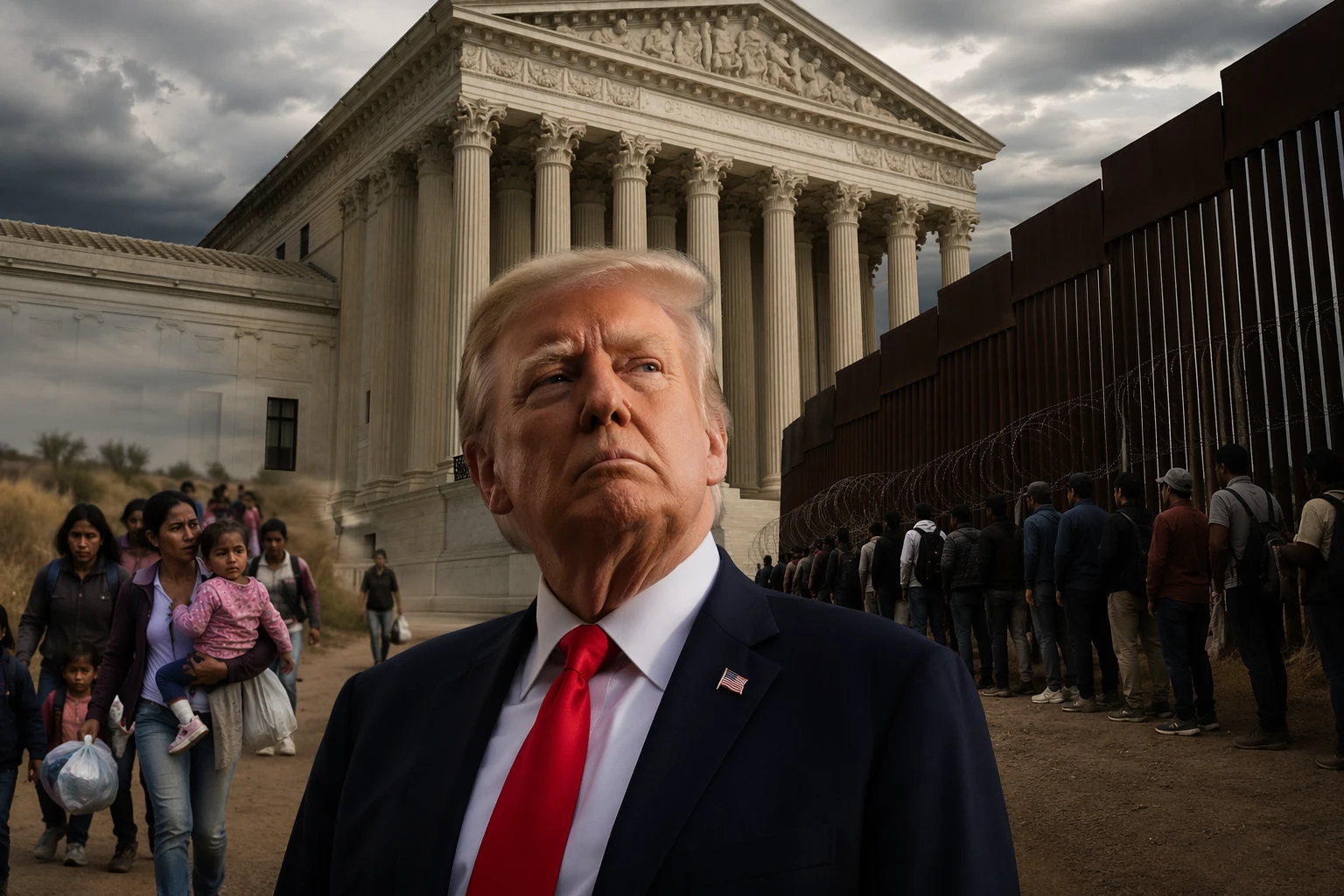
The second ruling cleared the way for the government to turn away some asylum seekers at the U.S.-Mexico border under a policy known as metering. The Obama administration first used metering in response to overcrowding at the border, and Trump officials have said they may seek to restore it. The case was brought by the immigrant-rights group Al Otro Lado and 13 asylum seekers, who challenged the practice in federal court.
Taken together, the decisions mark a significant expansion of executive leverage over immigration policy. They do not erase all legal constraints: the TPS ruling applies to Haitian and Syrian nationals, not the full TPS population, and the border ruling is limited to some asylum seekers before they enter the country. But by allowing Trump to move on both fronts, the court gave the White House a broader opening to control who can stay, who can enter, and how much pressure the border system must absorb.
Sources
- [1]nytimes.com
- [2]usnews.com
- [3]notus.org
- [4]nationaltpsalliance.org
- [5]cnbc.com
- [6]scotusblog.com