Politics
Supreme Court limits federal power to disarm marijuana users
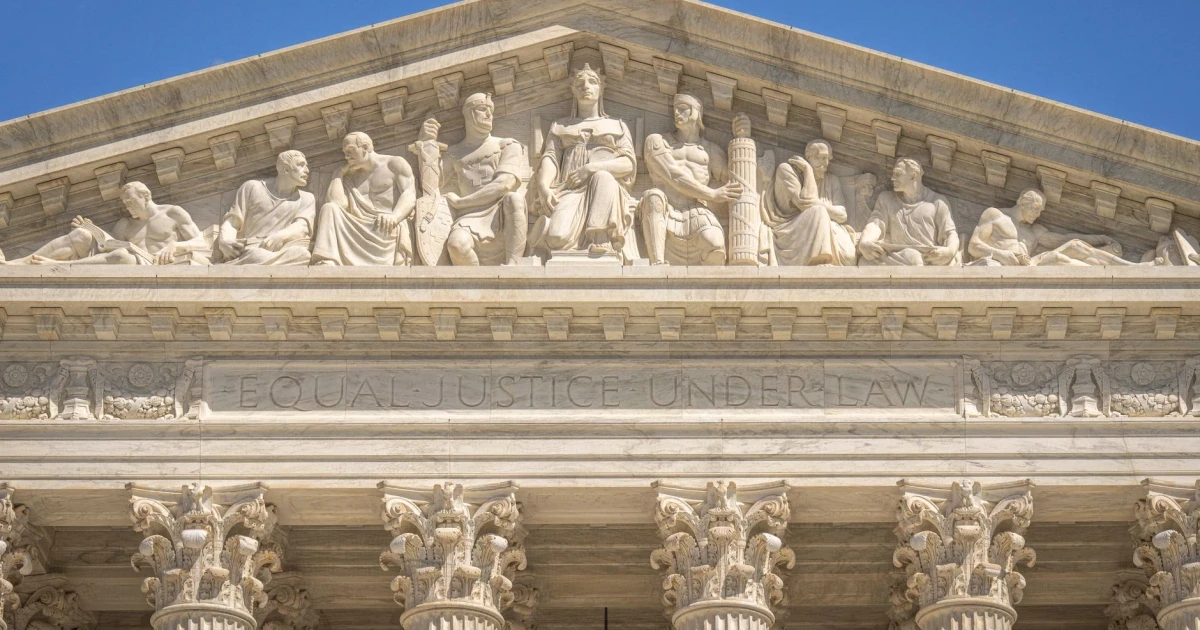
The Supreme Court unanimously narrowed the federal government’s power to disarm marijuana users, putting the collision between expanding gun rights and marijuana normalization at the center of Second Amendment law. In United States v. Hemani, the justices limited the reach of 18 U.S.C. § 922(g)(3), the Gun Control Act provision that bars firearm possession by an unlawful user of, or addict to, a controlled substance.
The case involved Texas resident Ali Hemani and reached the court after the Biden-era Justice Department sought review. The justices heard oral argument on March 2, 2026. Their ruling was described as narrow, and it did not decide whether people who are intoxicated or addicted to drugs can always be barred from owning guns. But it did make clear that federal prosecutors will face a higher bar than simply pointing to marijuana use alone.
The decision lands in a country where cannabis laws and gun laws are moving in opposite directions. Marijuana is legal under state law in many places, even as federal law still treats it as a controlled substance. The American Civil Liberties Union argued that the government’s theory could sweep in tens of millions of Americans who consume marijuana, including people doing so legally under state law. The National Rifle Association also filed an amicus brief urging the court to strike down the prohibition.
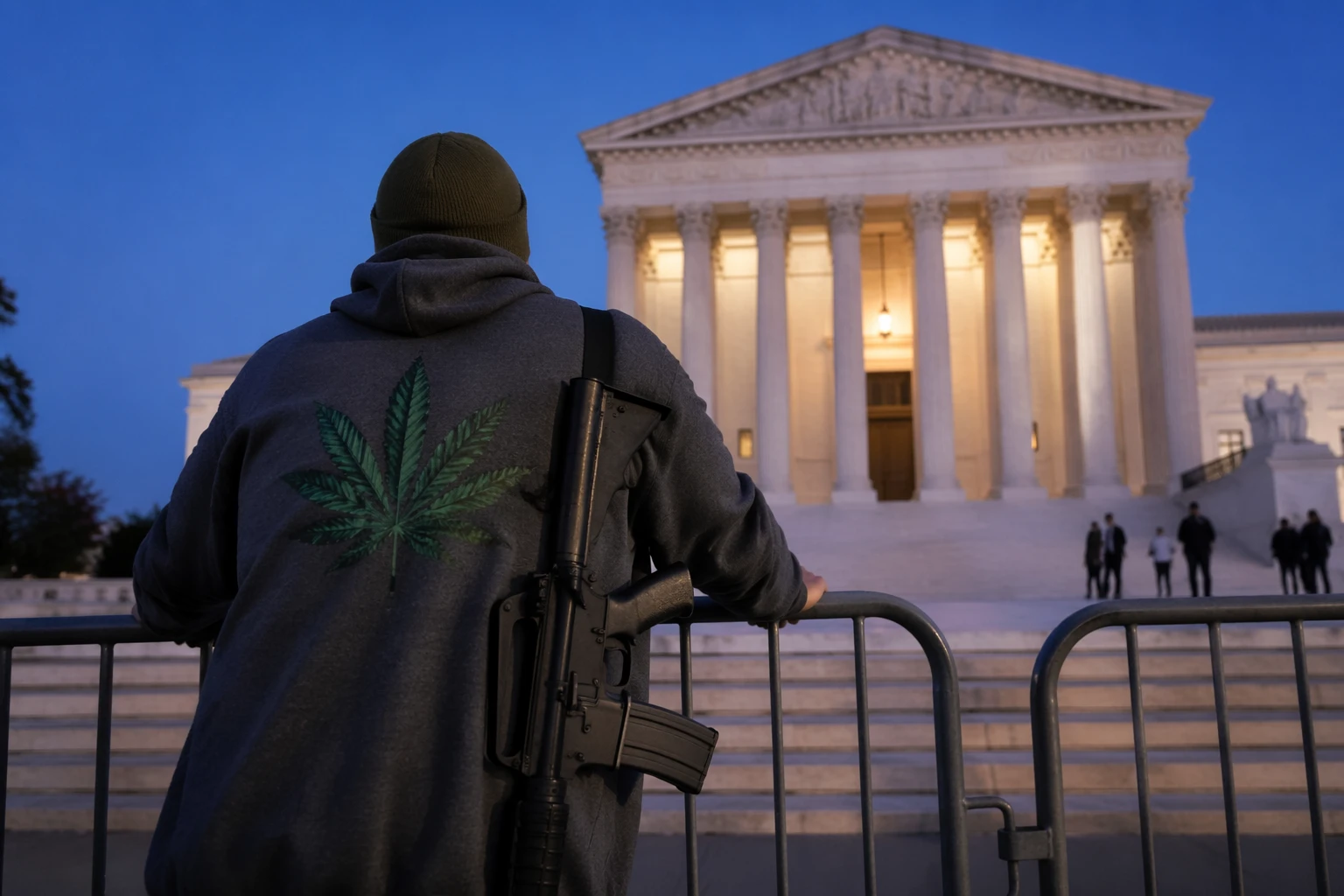
The ruling carries added political weight because the same statute was used in the prosecution of Hunter Biden. That made the case more than a technical fight over one defendant in Texas, and it gave the court a chance to define how far Washington can go in tying gun rights to drug status. The justices’ answer, unanimous and narrow, signals that broad categorical bans are under pressure when they are not linked to a specific finding of danger.
The decision also fits into the court’s modern Second Amendment framework, shaped by District of Columbia v. Heller, New York State Rifle & Pistol Association v. Bruen and United States v. Rahimi. In Rahimi, decided June 21, 2024, the court upheld temporary disarmament for people found by a court to pose a credible threat to physical safety. Hemani applied that history-and-tradition approach to a drug-user firearms ban, reinforcing the idea that the court is more comfortable with restrictions tied to concrete risk than with laws based only on status.
The broader shift is already visible in Washington. The Trump administration’s Justice Department and the Drug Enforcement Administration later moved to narrow how marijuana-related restrictions are defined for regulatory purposes, saying remote, infrequent or sporadic use should not count the same way. Together, the policy change and the court’s ruling show a federal system still struggling to reconcile loosening cannabis laws with a rapidly expanding reading of gun rights.
Sources
- [1]news.google.com
- [2]justice.gov
- [3]aclu.org
- [4]nraila.org
- [5]supremecourt.gov
- [6]justia.com