US News
Supreme Court limits geofence warrants in Fourth Amendment ruling
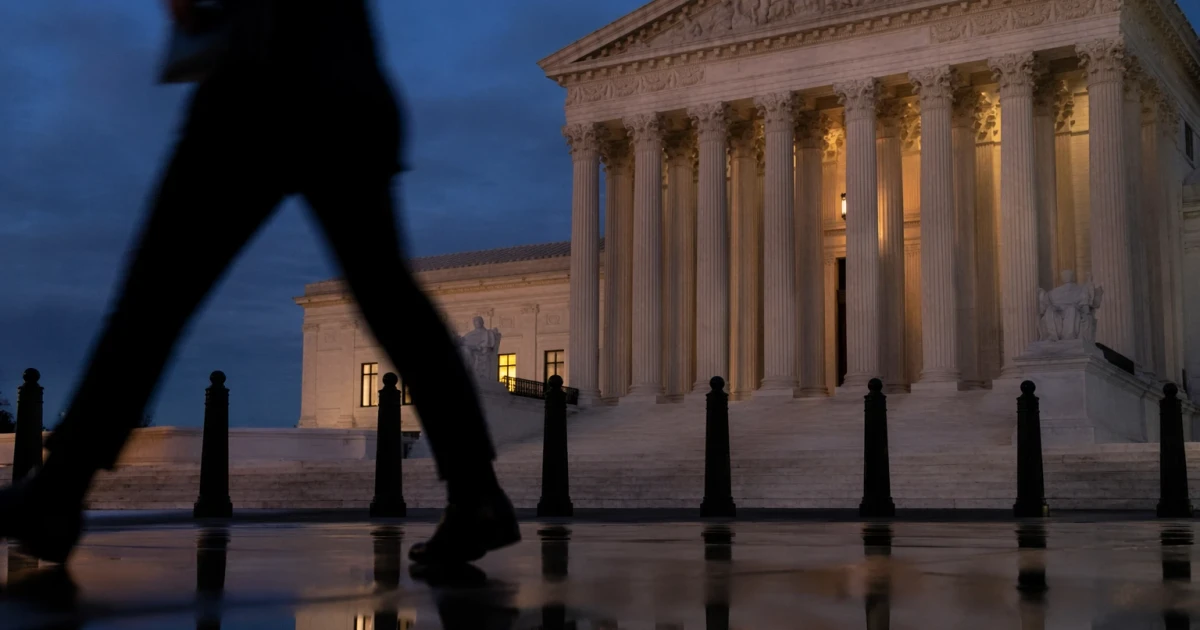
A 2019 credit union robbery in Midlothian, Virginia, led police to a geofence warrant that swept up location data from Google users inside a 150-meter radius of the bank. On June 29, 2026, the Supreme Court limited geofence warrants in Chatrie v. United States, No. 25-112, holding that the technique violates the Fourth Amendment’s ban on unreasonable searches. Justice Elena Kagan wrote for the 6-3 majority.
Geofence warrants work by asking a company like Google for devices that were in a set area during a set time. In this case, police applied on June 14 for a warrant aimed at Google’s Location History records, which track a user’s phone location about every two minutes. The warrant used a three-step process: first anonymous device data, then more anonymous data for a narrowed set of devices over a broader two-hour window, then names and phone numbers for the final list.
That process produced identifying information for three users, including Okello Chatrie. His location data showed him entering the geofence about ten minutes before the robbery and heading toward a residential area after leaving the bank. A federal grand jury later charged Chatrie with robbery and related firearms offenses, and he moved to suppress the Google-derived evidence. The district court found the geofence warrant “plainly” violated the Fourth Amendment but allowed the evidence under the good-faith exception.
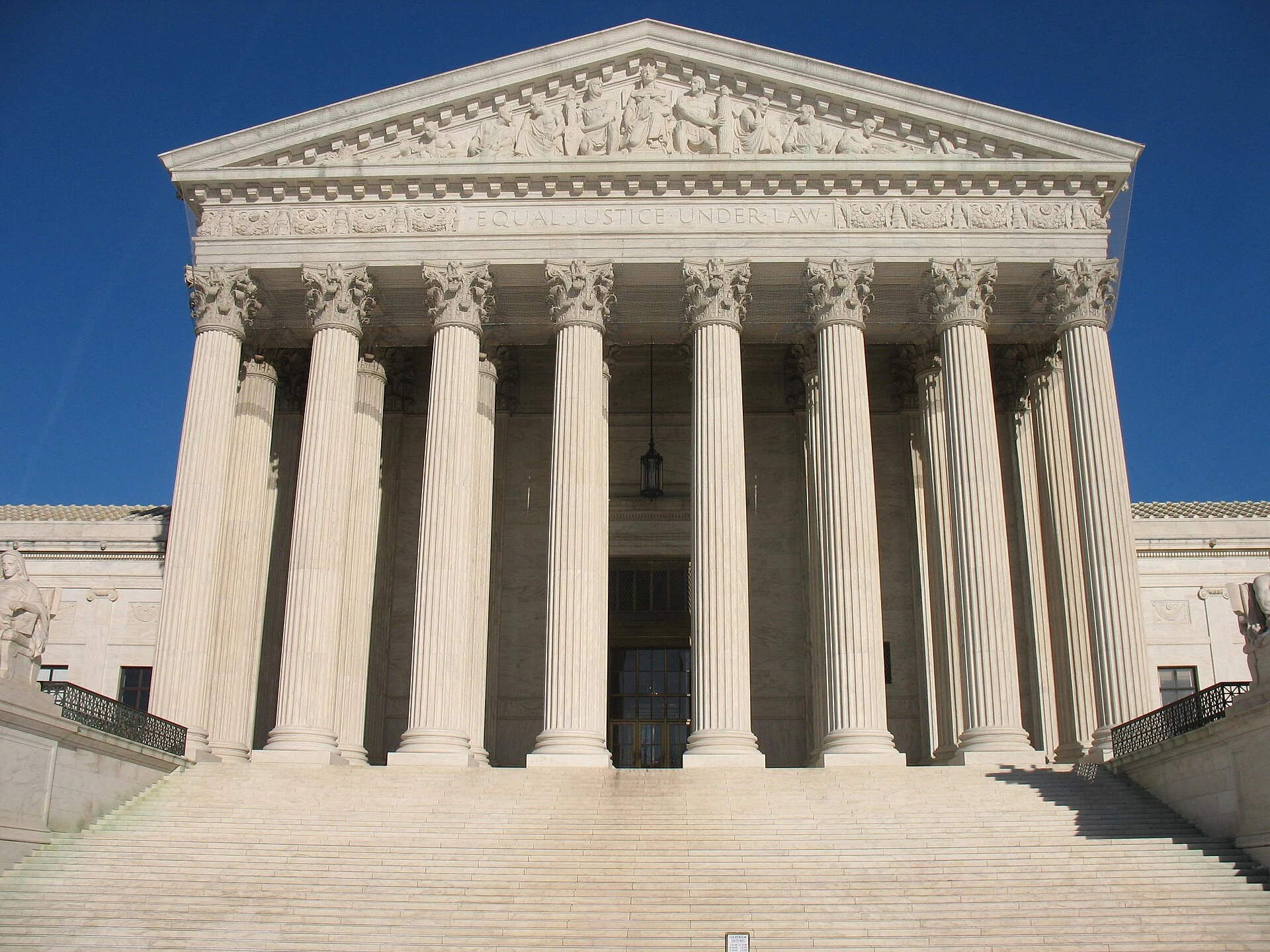
The ruling built on Carpenter v. United States, the 2018 case in which the justices held that acquiring 12,898 location points from Carpenter’s phone over 127 days was a Fourth Amendment search. Geofence warrants are typically used when police know the approximate time and place of a crime but not the suspect’s identity, and they have been used in investigations ranging from homicides to stolen pickup trucks and smashed car windows. A 2025 Congressional Research Service report puts the scope at feet or meters to more than an acre, with time windows lasting minutes, hours, or days.
Civil-liberties groups, including the American Civil Liberties Union and Electronic Frontier Foundation, argued that geofence warrants operate like unconstitutional general warrants because they turn bystanders into suspects and pull in location data without individualized suspicion. Law-enforcement supporters have defended the tool as useful when investigators have a scene and a time but no name. The Fourth Circuit Court of Appeals had divided before the Supreme Court stepped in. Justice Samuel Alito dissented, joined in part by Justices Clarence Thomas and Amy Coney Barrett, while Justice Neil Gorsuch concurred in the judgment without joining the majority opinion.
Sources
- [1]npr.org
- [2]supremecourt.gov
- [3]congress.gov
- [4]news.bloomberglaw.com
- [5]aclu.org
- [6]eff.org