Politics
Supreme Court loosens campaign spending limits for parties and candidates
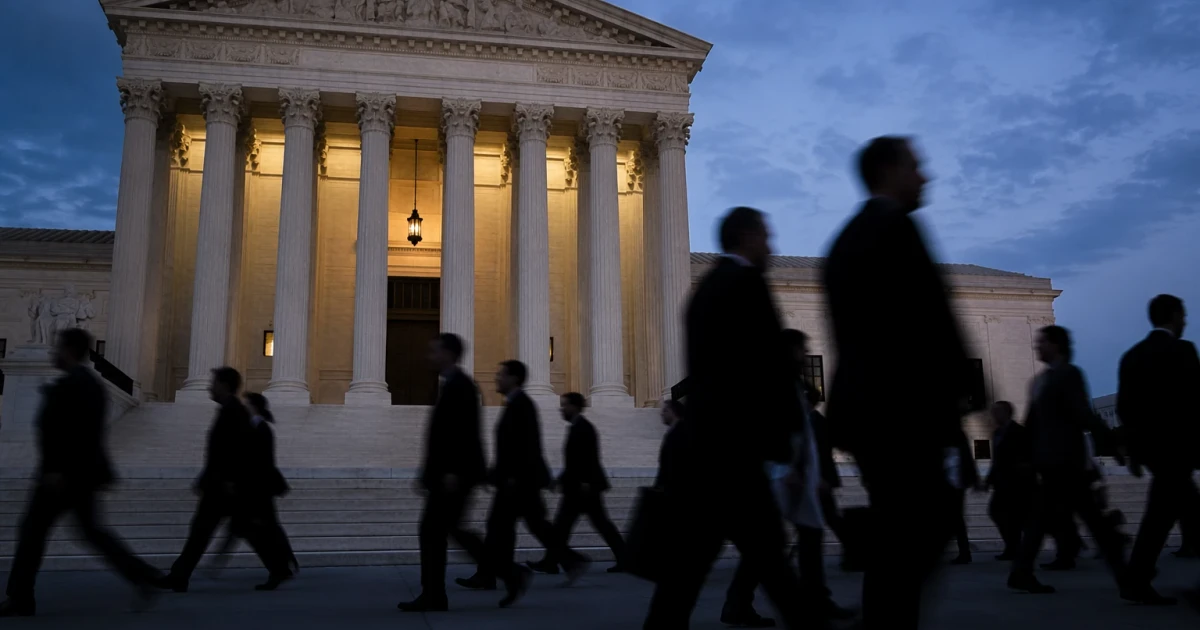
The Supreme Court lifted federal limits on how much political parties can spend in coordination with federal candidates, giving party committees a new route to pour more money into House and Senate races. The 6-3 ruling came in National Republican Senatorial Committee v. Federal Election Commission and is poised to widen the role of party money in the 2026 election cycle.
Justice Brett Kavanaugh wrote the majority opinion, and the court overruled its 2001 decision in Federal Election Commission v. Colorado Republican Federal Campaign Committee. Justice Elena Kagan dissented, joined by Justices Sonia Sotomayor and Ketanji Brown Jackson. The case began in 2022, when then-Sen. J.D. Vance, then-Rep. Steve Chabot, the National Republican Senatorial Committee and the National Republican Congressional Committee challenged the federal limits in court. The Trump administration later declined to defend the statute and backed the challengers.
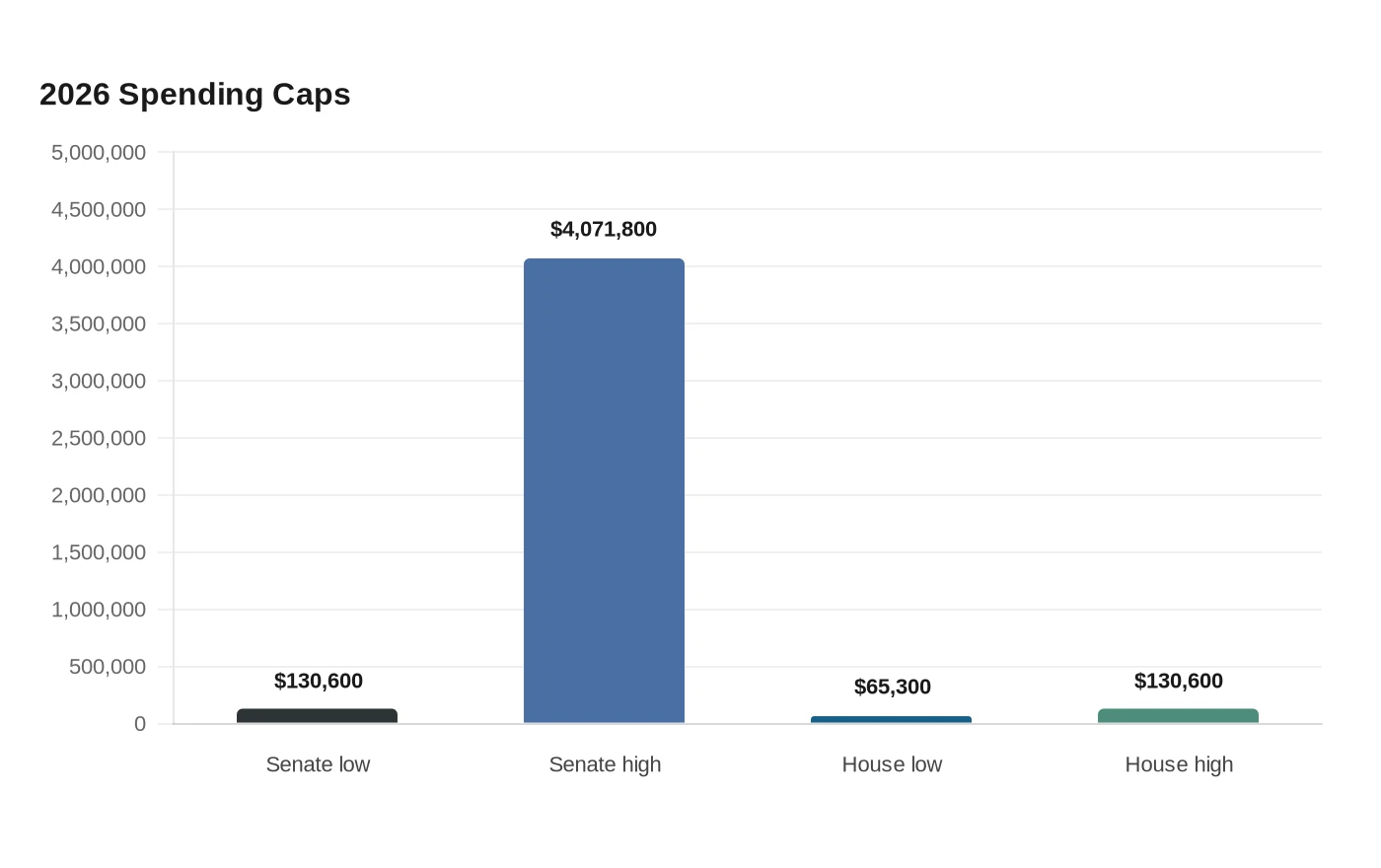
Before the ruling, the Federal Election Commission had set 2026 coordinated party expenditure limits at $130,600 to $4,071,800 for Senate nominees, depending on each state’s voting-age population. For House nominees, the cap was $65,300 or $130,600 depending on the district. Those limits were published on March 3, 2026, while the case was still pending. With the law struck down, parties can now coordinate more closely with candidates without those federal ceilings, expanding a channel that had been constrained since the Federal Election Campaign Act’s 1971 framework.
The immediate political effect is likely to fall hardest on the best-funded committees. The Republican National Committee, the National Republican Senatorial Committee and the National Republican Congressional Committee ended May with $256 million in cash and no debt, giving Republicans a formidable edge heading into November. The ruling lets party organizations use that money with fewer restrictions alongside candidates, a change that could make party-run TV ads and field operations even more central in the final months before the midterms.
Kagan warned in dissent that the decision would let donors evade existing contribution limits by channeling much larger sums through party committees rather than giving directly to candidates. She said a donor could give a party as much as half a million dollars, far above the $7,000 direct-to-candidate limit she cited. The ruling removed one of the last major guardrails on party-candidate spending just as both parties begin the sprint toward the 2026 elections.
Sources
- [1]news.google.com
- [2]scotusblog.com
- [3]washingtonpost.com
- [4]fec.gov
- [5]reuters.com