US News
Supreme Court narrows Holocaust survivors' case against Hungary's railways

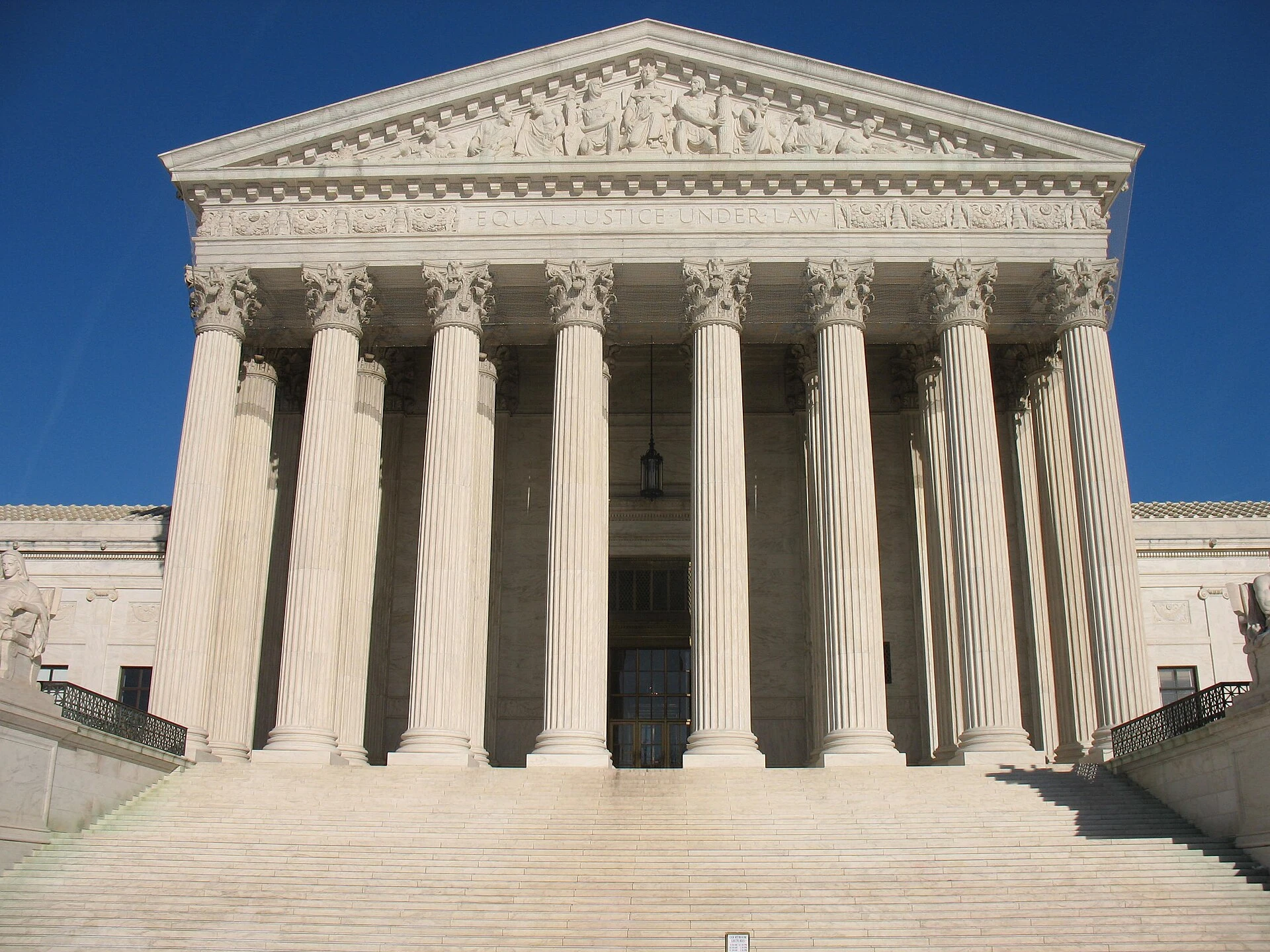
On February 21, 2025, the U.S. Supreme Court unanimously narrowed a Holocaust restitution case against Hungary and its state railway, holding that survivors could not rely on a commingling-of-funds theory alone to get past sovereign immunity. The decision narrowed a lawsuit filed in 2010 in federal court in Washington, D.C., by Jewish survivors of the Hungarian Holocaust and heirs of victims seeking damages for property allegedly seized during deportations.
At the center of the case is Magyar Államvasutak Zrt., known as MÁV, Hungary’s state railway. The plaintiffs say MÁV helped transport more than 400,000 Hungarian Jews to Auschwitz over two months in 1944, as Nazi Germany occupied Hungary and the mass deportations accelerated. They sought to hold both the Republic of Hungary and MÁV responsible under the Foreign Sovereign Immunities Act of 1976, the federal law that generally shields foreign states from suit unless a narrow exception applies.
The legal fight turned on whether the case fit the FSIA’s expropriation exception. The survivors argued that Hungary and MÁV liquidated confiscated property, mixed the proceeds with government funds, and later used those funds in commercial activity tied to the United States. The Supreme Court rejected that theory in Republic of Hungary v. Simon, saying commingling by itself was not enough to unlock a U.S. courtroom for claims rooted in wartime theft. That ruling left the plaintiffs, who had tried to proceed as a class action on behalf of Hungarian Holocaust survivors and heirs, with a much steeper path forward.
The U.S. completed a Hungarian Claims Program on August 9, 1959. Then, on March 6, 1973, the United States and Hungary concluded a formal claims settlement agreement under which Hungary agreed to pay $18.9 million in installments to settle certain U.S. nationals’ claims.
France later reached a compensation accord with the United States covering survivors and families deported by France’s state rail company.
Sources
- [1]nytimes.com
- [2]supremecourt.gov
- [3]justice.gov
- [4]apnews.com
- [5]theconversation.com