US News
Supreme Court Questions Trump’s Push to End Birthright Citizenship
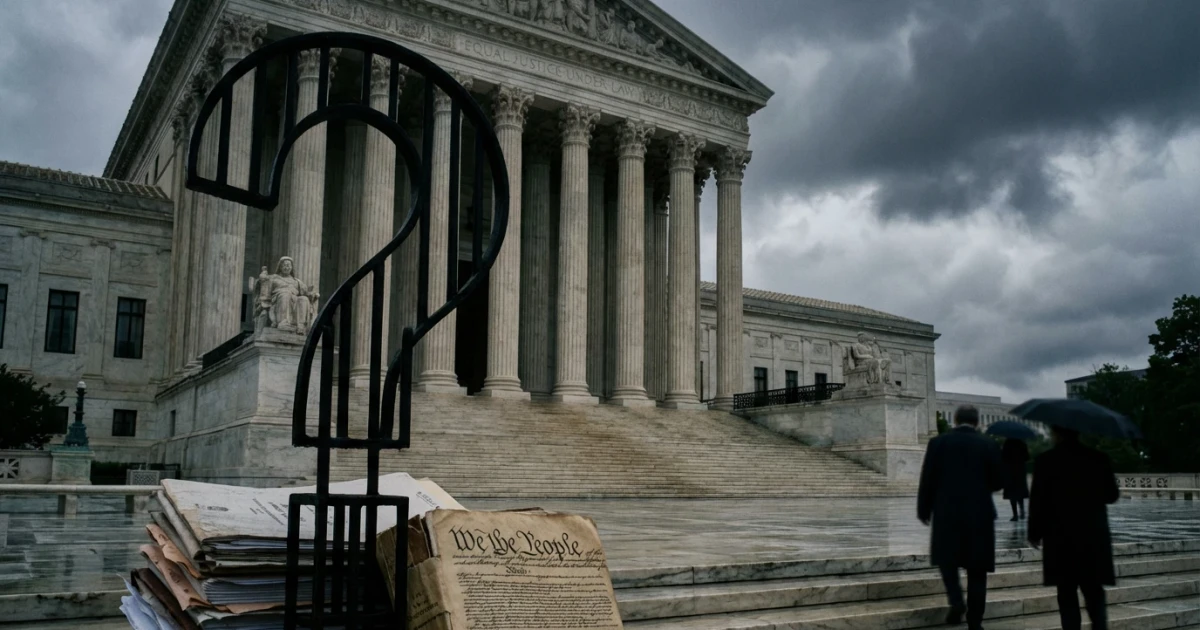
Donald Trump became the first sitting U.S. president to attend Supreme Court oral arguments on Tuesday, marking a historic moment as the justices reviewed his administration’s attempt to end birthright citizenship. While his unprecedented appearance drew national attention, the Court’s questioning suggested significant doubts about the legality of the administration’s approach.
Historic Presidential Appearance at the Supreme Court
Both The New York Times and The Guardian highlighted that Trump’s presence was a presidential first. No sitting president had previously attended oral arguments before the Supreme Court, underscoring the weight and political sensitivity of the case. The New York Times described the event as a “presidential first,” while The Guardian emphasized the “extraordinary” nature of Trump’s attendance.
Challenge to Birthright Citizenship
At the heart of the case is the Trump administration’s effort to reinterpret the 14th Amendment’s Citizenship Clause, which has granted birthright citizenship to virtually all children born on U.S. soil since 1868. Trump’s team argued that the amendment should not apply to children born to non-citizen or unauthorized immigrant parents—a move that, if upheld, would overturn more than a century of established practice.
- The official Supreme Court oral argument transcripts show that justices questioned the government’s interpretation of the Citizenship Clause.
- Pew Research Center analysis notes that about 4 million U.S.-born children have at least one unauthorized immigrant parent.
Supreme Court’s Skeptical Response
Coverage from both outlets emphasized the justices’ skepticism. According to The New York Times, the Court’s questions signaled doubt over the legal arguments for ending birthright citizenship. The Guardian reported that several justices appeared wary of overturning longstanding precedent, with questions focusing on the potential disruption such a ruling could cause for millions of Americans.
This judicial skepticism reflects the legal consensus outlined by the Constitution Annotated, which details the historical and legal underpinnings of the 14th Amendment’s Citizenship Clause.
- Justices from both the liberal and conservative wings questioned whether Congress or the executive branch had the authority to reinterpret the Constitution’s language on citizenship.
- There was also concern about the broader implications for citizenship status and legal clarity.
Political and Social Impact
The case has broad implications for U.S. immigration policy and civil rights. If the Supreme Court were to side with Trump, it could potentially deny citizenship to future generations of children born in the U.S. to non-citizen parents. Government statistics show that the vast majority of new U.S. citizens each year are naturalized, but a significant share of the population receives citizenship at birth under the existing interpretation of the 14th Amendment.
Public opinion has remained divided, with Pew Research Center surveys indicating that most Americans support maintaining birthright citizenship, though support has varied along partisan lines.
What Happens Next?
The justices’ questions during oral arguments suggest a reluctance to endorse a sweeping change that would overturn over a century of legal precedent. A ruling in the coming months is expected to clarify the legal status of millions of Americans and could set a new direction for how the nation defines citizenship.
Trump’s attendance at the arguments has already become a significant historical footnote, reflecting the high stakes and polarized nature of the debate. For readers interested in reviewing the full legal proceedings, the official argument transcripts and Supreme Court docket provide further detail on the case’s progress.
As the country awaits the Court’s decision, both the legal and political ramifications of this challenge to birthright citizenship continue to unfold, with the eyes of the nation—and the world—on the outcome.