Politics
Supreme Court races to finish major Trump power cases
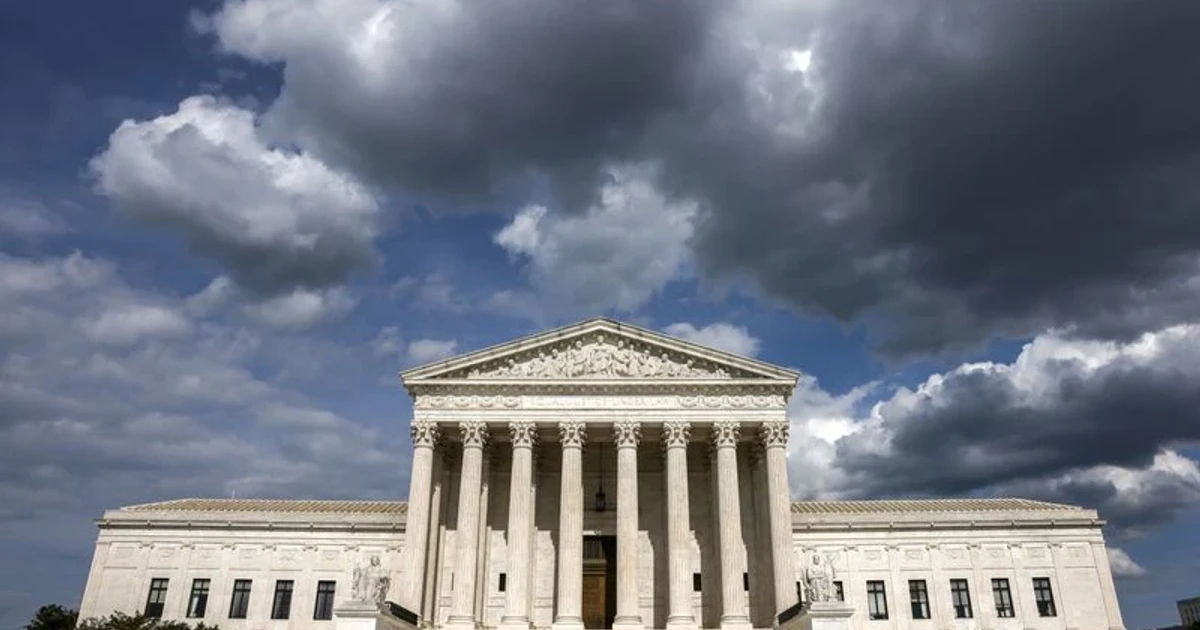
The Supreme Court cleared four opinions as it sprinted through a June crush of Trump-era disputes, including Trump v. Slaughter, Trump v. Cook, Watson v. Republican National Committee and Chatrie v. United States. With more rulings still pending, the justices were working through the last stretch of a term that usually runs from early October to around the end of June and sometimes spills into July.
The sharpest unresolved fight is Trump v. Barbara, the challenge to Executive Order 14160, titled Protecting the Meaning and Value of American Citizenship. The order seeks to deny birthright citizenship to children born in the United States to parents who are unlawfully present or in the country on temporary visas. The Supreme Court heard just over two hours of oral argument on April 1, 2026, when President Donald Trump became the first sitting president to attend a Supreme Court oral argument.
That case reaches beyond immigration policy. The Congressional Research Service said the justices are weighing whether the order fits the Fourteenth Amendment’s Citizenship Clause and 8 U.S.C. § 1401(a), while the Supreme Court’s 2025 decision in President of the United States v. CASA limited universal injunctions that lower courts have used to block enforcement nationwide. That procedural limit could shape how far any ruling on birthright citizenship reaches and how quickly it takes effect.
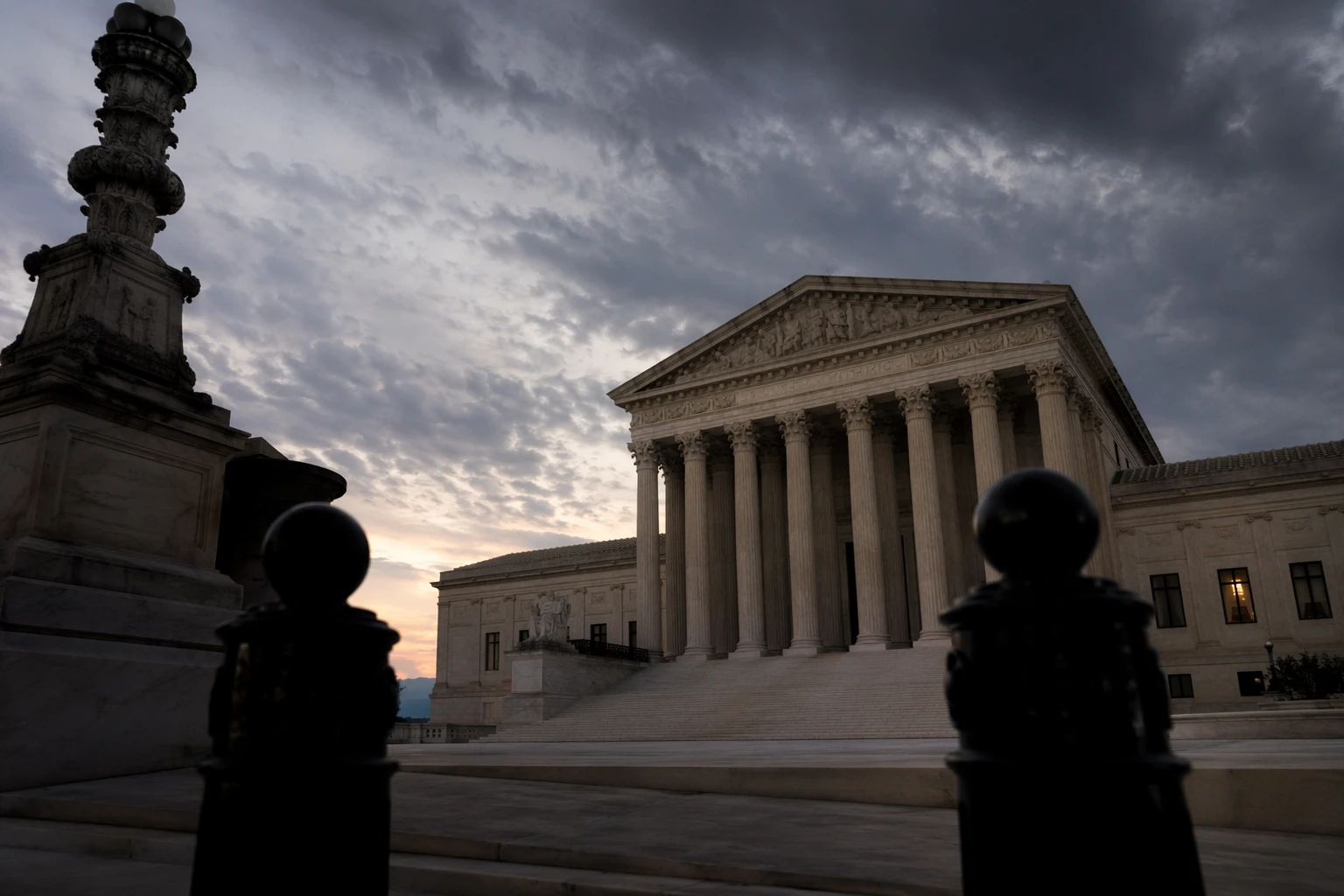
Other Trump-related disputes have already moved the court toward a broader reworking of executive power. AP reported that Lisa Cook can remain in office for now while her challenge proceeds, after the administration sought to remove the Federal Reserve governor. The court also allowed the Trump administration to end temporary legal protections for Haitian and Syrian immigrants, a decision affecting hundreds of thousands of people and sending families into legal limbo as the term winds down.
The pace of those decisions, and the cases still waiting, has turned the final week of June into a single compressed test of how far a president can go. The justices are not only deciding individual disputes; they are setting the rules for how presidential authority, immigration status and lower-court restraint will work in the months ahead.
Sources
- [1]news.google.com
- [2]scotusblog.com
- [3]congress.gov
- [4]oyez.org
- [5]apnews.com