Politics
Supreme Court rehearing request faces rare procedural hurdle in citizenship case
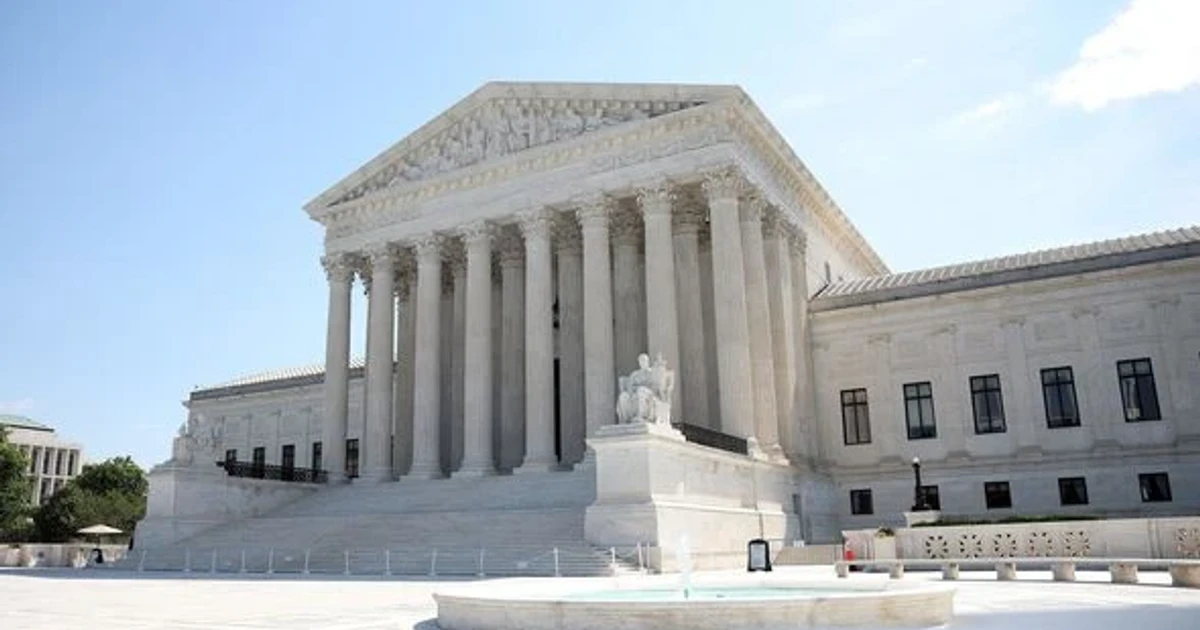
A Supreme Court rehearing request in the citizenship fight would run into one of the court’s rarest procedures: the justices last granted rehearing after a decision in 1965, and Rule 44 allows it only by a majority vote, at the instance of a justice who joined the judgment. In practical terms, that makes a rehearing filing in Trump v. Barbara look more like political signaling than a credible path to reversal.
The court’s own rules leave little room for maneuver. Supreme Court Rule 44 says a petition for rehearing is not subject to oral argument, and the court’s October Term 1965 journal materials reflect rehearing activity from the term that marked the last granted rehearing. The court has reversed itself only once after rehearing a case, underscoring how extraordinary the procedure remains.
That backdrop matters because Trump v. Barbara ended with a direct merits ruling on June 30, 2026. The court held that children born in the United States to parents who are unlawfully or temporarily present are citizens at birth under the Fourteenth Amendment’s Citizenship Clause. The case reached the justices after they granted certiorari before judgment, a fast-track move that put the citizenship issue squarely before the court.
The dispute began after Donald J. Trump issued Executive Order No. 14160 on January 20, 2025, titled Protecting the Meaning and Value of American Citizenship. The litigation involved multiple plaintiffs, including individuals, organizations and states, and challenged the order’s treatment of children born in the United States to parents without permanent immigration status. In the related Trump v. CASA decision on June 27, 2025, the court said universal injunctions likely exceed the equitable authority Congress has given federal courts, but it did not decide whether the executive order violated the Citizenship Clause or the Nationality Act.
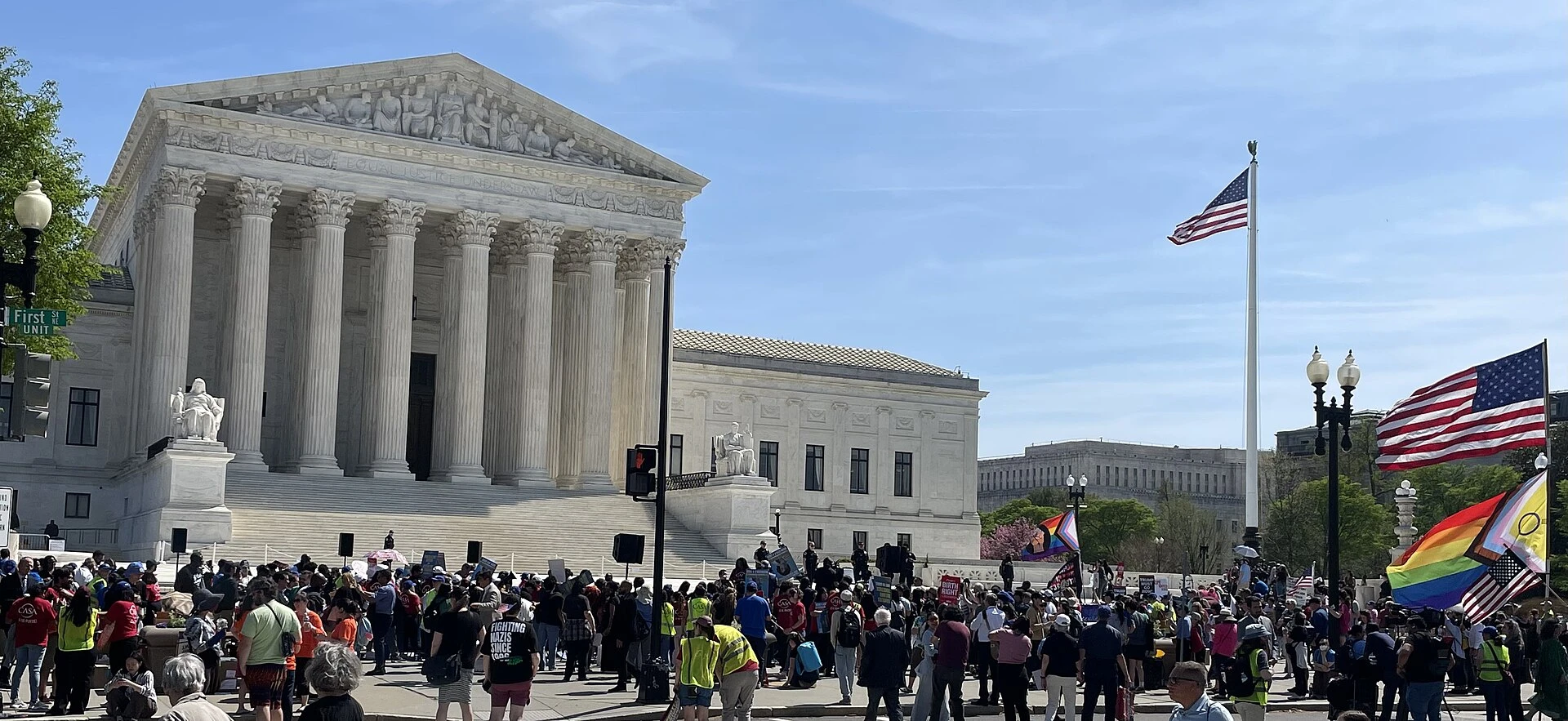
That sequence leaves rehearing as an unusually steep procedural climb. Rule 44 requires a majority of the court and a justice who joined the decision to ask for it, and the justices’ modern practice shows how rarely they use that power. The more realistic battleground now is not a do-over in Washington, but the ruling itself and the limited space left for any lower-court challenge around the edges of implementation.
Sources
- [1]nytimes.com
- [2]supremecourt.gov
- [3]law.cornell.edu