US News
Supreme Court rejects challenge to tax foreclosure sale prices
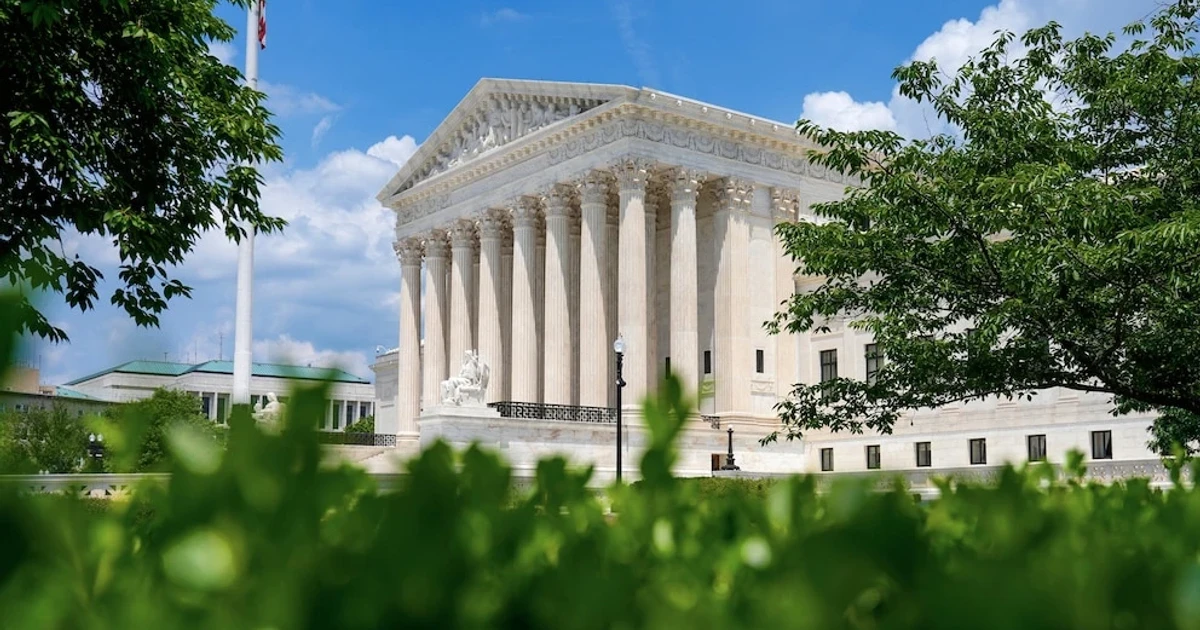
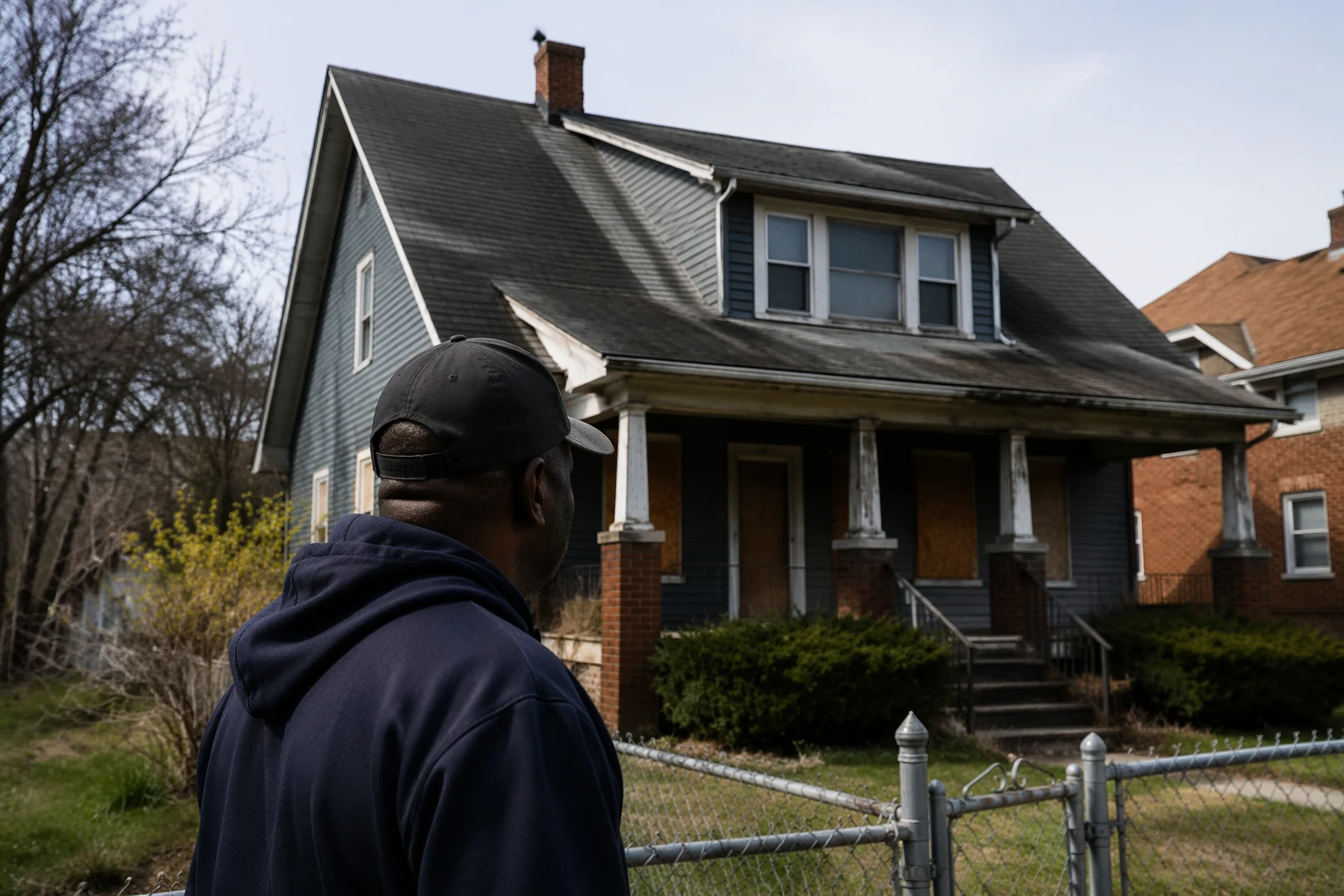
A $2,241.93 property-tax bill was enough to send the Pung family’s home into foreclosure, and the Supreme Court said that outcome did not violate the Constitution even after the property was later resold for far more. The justices rejected the family’s bid to recast tax foreclosure as a fair-market-value taking, leaving in place a system that lets local governments sell homes to collect delinquent taxes without guaranteeing owners the home’s full market value.
In Pung v. Isabella County, Michigan, the county foreclosed on the family’s Mount Pleasant home and sold it at public auction for $76,008. The property had been assessed at $194,400 for tax purposes, and the family said it could have fetched nearly $200,000 in a conventional sale. The buyer later resold it for about $195,000, a gap that captured the core of the dispute: whether the government must pay owners based on what a home is worth on the open market, rather than what it brings at a tax sale.
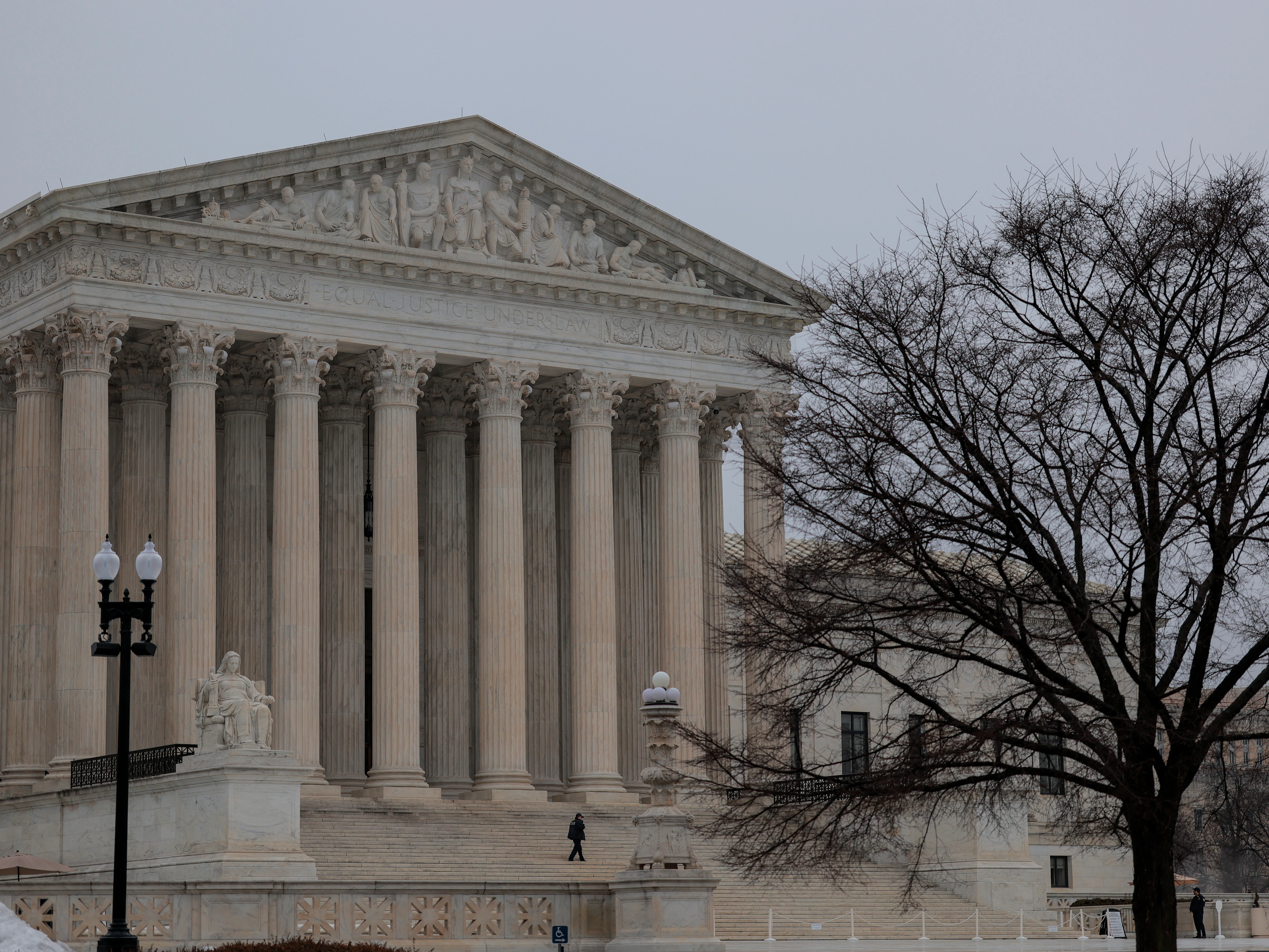
The court’s answer, issued June 23, came after oral argument on February 25. By turning away the challenge, the justices limited homeowners’ recovery to the protections already built into tax-foreclosure law, rather than expanding it into a claim for full market value after the sale. That means owners who fall behind on taxes can still lose the equity tied up in a home if the sale price falls well below what a private buyer would pay.
The ruling lands against the backdrop of Tyler v. Hennepin County, the 2023 case in which the court took a harder line on governments keeping the proceeds of tax foreclosures. There, a Minnesota county kept about $40,000 after a woman owed roughly $2,300 in taxes. The court’s skepticism in Tyler focused on governments pocketing a windfall beyond the debt owed. Pung drew a different line: the issue was not whether extra proceeds belong to the owner, but whether the Constitution requires the owner to be paid as if the house had been sold on the open market.
Michigan law already treats former owners as having a protected interest in surplus proceeds, a principle the Michigan Supreme Court recognized in Rafaeli in 2020. Under that framework, foreclosing units must return money left after delinquent taxes and related reasonable foreclosure costs are paid. But the Supreme Court’s ruling makes clear that those protections do not stretch all the way to demanding fair-market-value compensation for a foreclosed home, even when a small tax debt triggers the loss of substantial equity.
Sources
- [1]abcnews.com
- [2]supremecourt.gov
- [3]usatoday.com