Politics
Supreme Court rejects Trump bid to end birthright citizenship
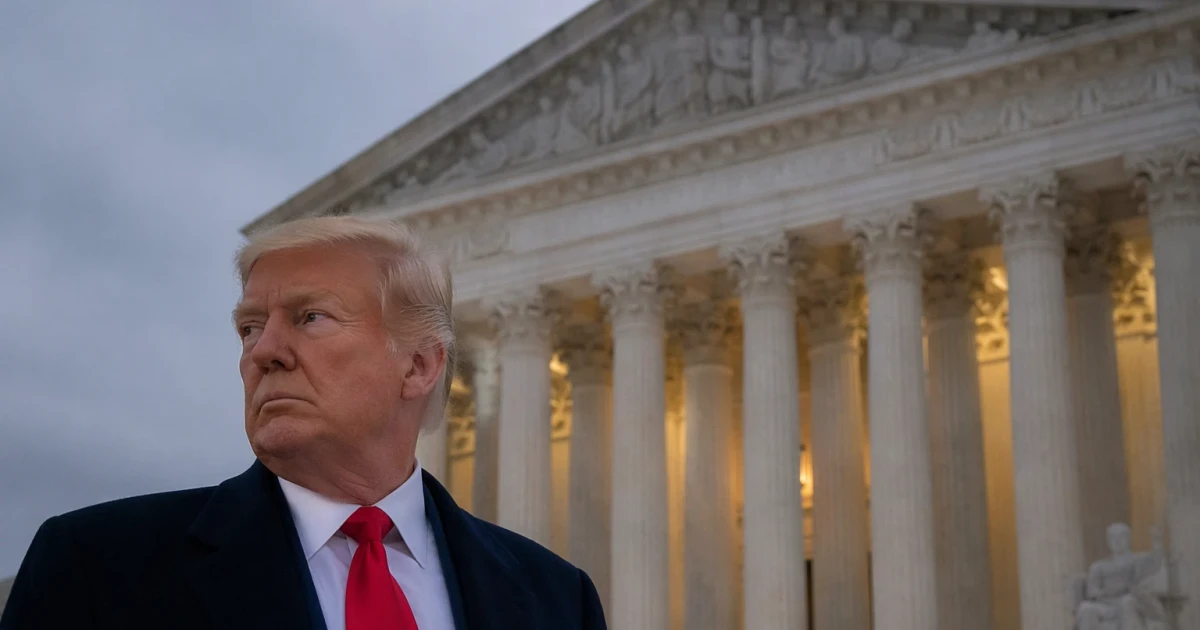
The Supreme Court rejected Donald Trump’s bid to end birthright citizenship, handing his White House a 6-3 defeat and leaving Executive Order 14160 without a judicial path to rewrite who is a citizen at birth. The ruling on June 30, 2026, reaffirmed the long-settled reading of the Fourteenth Amendment’s Citizenship Clause: children born on U.S. soil are citizens, with narrow exceptions such as children of foreign diplomats.
Trump signed the order on January 20, 2025, under the title “Protecting the Meaning and Value of American Citizenship.” It sought to deny automatic citizenship to some children born in the United States to parents who were in the country unlawfully or only temporarily.
The legal fight centered on the Fourteenth Amendment, ratified in 1868, and on United States v. Wong Kim Ark, the 1898 Supreme Court decision that has served as the modern baseline for birthright citizenship. Proposals to restrict birthright citizenship run against the Citizenship Clause, and Wong Kim Ark has remained the prevailing precedent for more than a century.
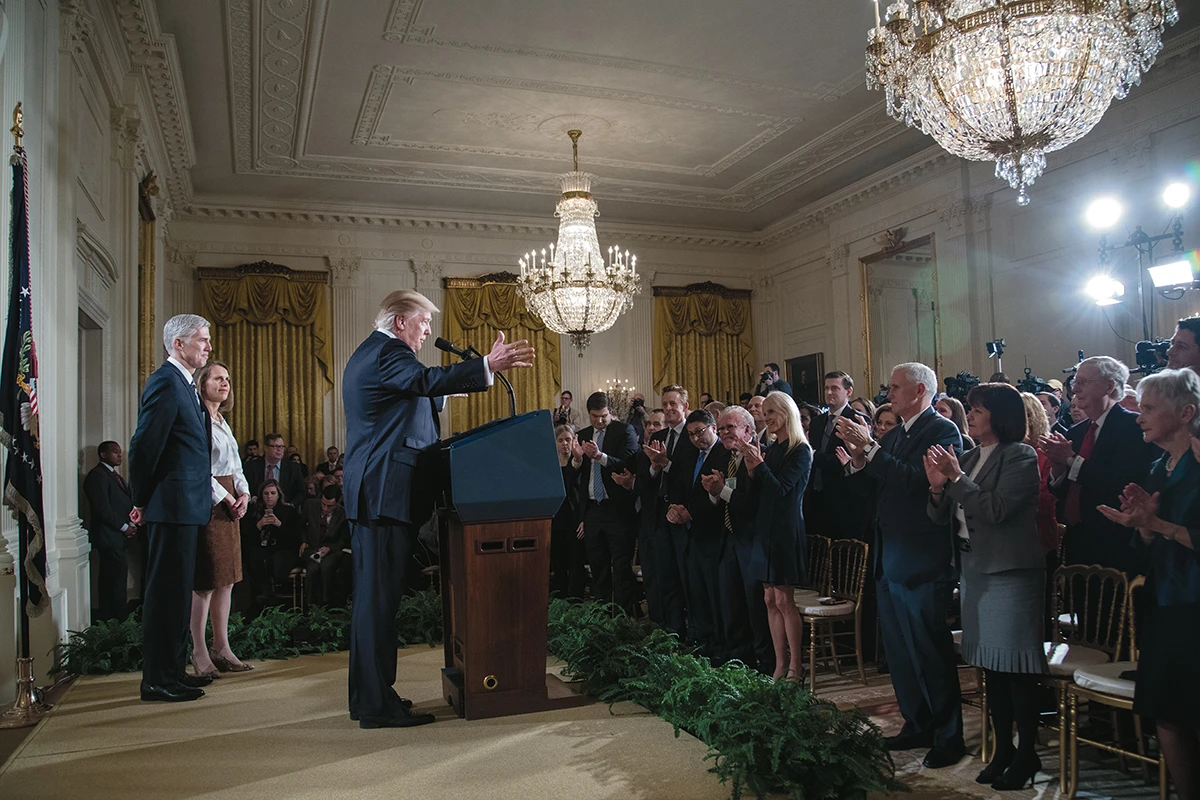
Trump tied the case closely to his broader immigration agenda. He attended oral arguments in April 2026, becoming the first sitting president ever to do so. After the ruling, he shifted from the courtroom to the political arena, calling on Congress to pass legislation ending birthright citizenship and arguing lawmakers should move immediately without waiting for a constitutional amendment.
Congressional conservatives quickly echoed that demand, and several Republican lawmakers also raised the possibility of a constitutional amendment. If Trump’s order had been upheld, it could have left tens of thousands of babies born in the United States each month without citizenship. The ACLU, a lead plaintiff in the case, praised the ruling as a vindication of the constitutional guarantee that has defined citizenship law since Wong Kim Ark.
Sources
- [1]washingtonpost.com
- [2]whitehouse.gov
- [3]congress.gov
- [4]constitutioncenter.org
- [5]cnbc.com
- [6]axios.com
- [7]aila.org
- [8]scotusblog.com