Politics
Supreme Court shadow docket draws criticism over Fed ruling process
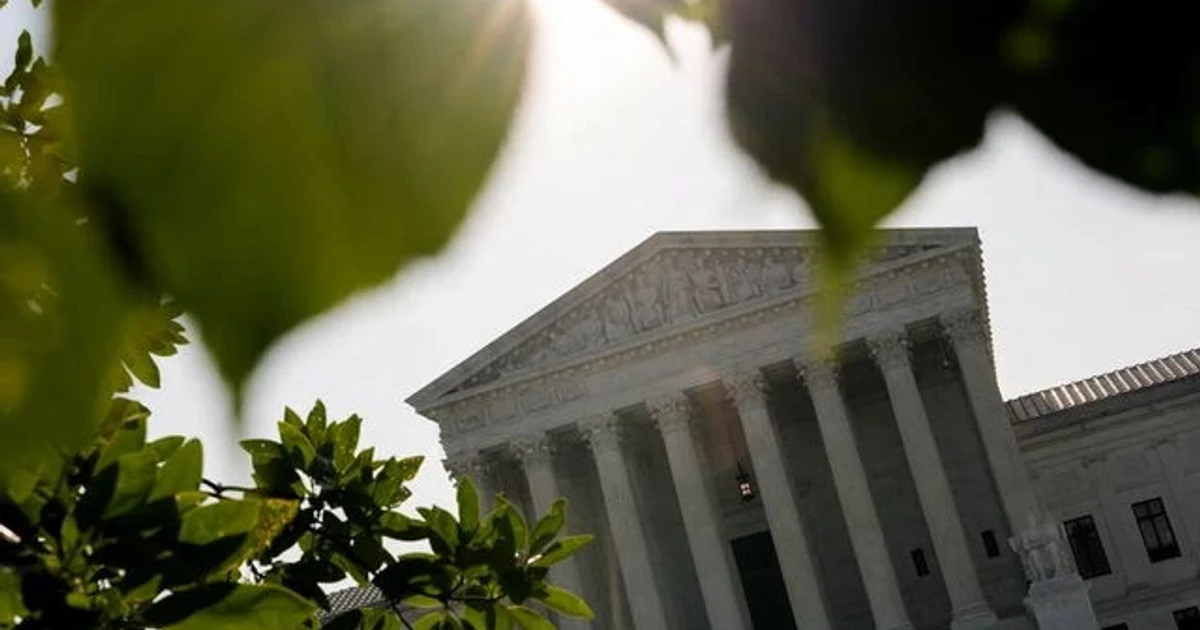
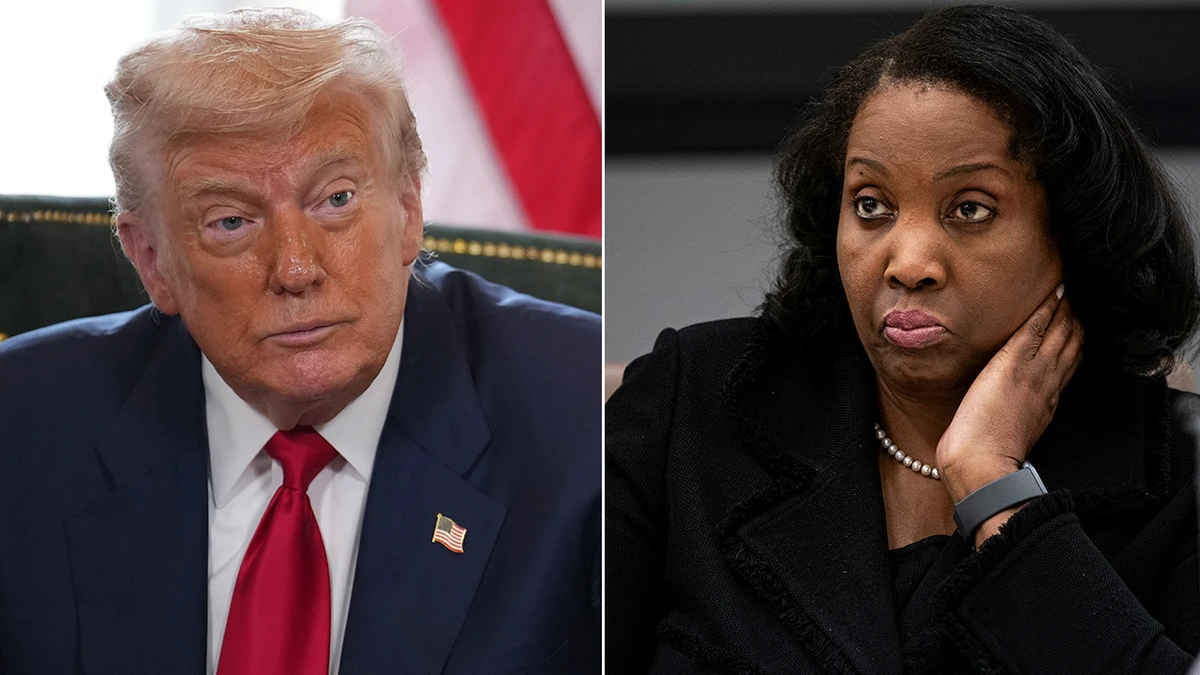
The Supreme Court’s June 29 order keeping Lisa Cook in office as a Federal Reserve governor also exposed a sharper fight inside the court over how major cases are being handled. In Trump v. Cook, the justices ruled 5-4 that Cook could remain on the job while her challenge to Donald Trump’s removal effort moves ahead, but three conservative justices objected not only to the outcome but to the use of the emergency docket for a dispute that reaches the structure of the central bank.
Chief Justice John Roberts wrote that letting Trump remove Cook would effectively turn the Fed’s for-cause protection into at-will employment. The court also stressed the central bank’s unusual independence, noting that Cook was the first Federal Reserve governor fired in the Fed’s 111-year history and describing a long tradition of insulating monetary policy from political pressure. Roberts also defended the emergency path as an issue of “prudence,” a choice that underscored how the court can now act quickly on questions with major national consequences, even without full briefing or oral argument.
The lineup itself showed the court’s split. Clarence Thomas dissented. Samuel Alito dissented and was joined by Neil Gorsuch. Amy Coney Barrett filed a separate dissent. The majority consisted of Roberts, Sonia Sotomayor, Elena Kagan, Brett Kavanaugh and Ketanji Brown Jackson. Cook said the ruling defended the central bank’s independence, while the order also kept alive Trump’s attempt to remove a sitting Fed governor on mortgage-fraud allegations she denied.
The case landed amid a broader shift in how the court handles emergency disputes. ProPublica found that in the court’s last completed term, it issued 63 shadow-docket orders compared with 56 merits-docket decisions, meaning more cases were resolved through the faster, less public emergency track than through the traditional docket. The Brennan Center said Trump’s second administration has filed 33 emergency applications since returning to office, and the court has ruled for it 80 percent of the time. It also noted that the federal government sought emergency relief only 8 times between January 2001 and January 2017.
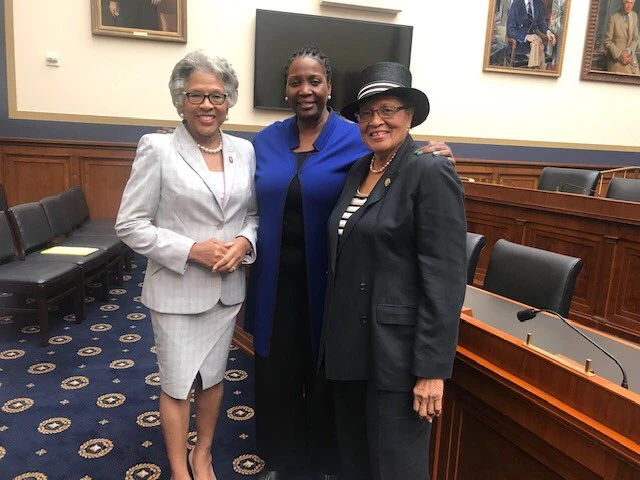
At Harvard Law School’s March 2026 forum, critics argued that emergency orders, though formally temporary, can become the last word in important disputes when the court acts with abbreviated briefing and no oral argument. That concern now extends beyond one Fed governor’s job, to a court whose emergency rulings are increasingly shaping presidential power, agency independence and the pace of legal review itself.
Sources
- [1]usnews.com
- [2]supremecourt.gov
- [3]scotusblog.com
- [4]propublica.org
- [5]brennancenter.org
- [6]hls.harvard.edu
- [7]money.usnews.com