US News
Supreme Court Signals Mail-In Ballot Restrictions Before Midterms
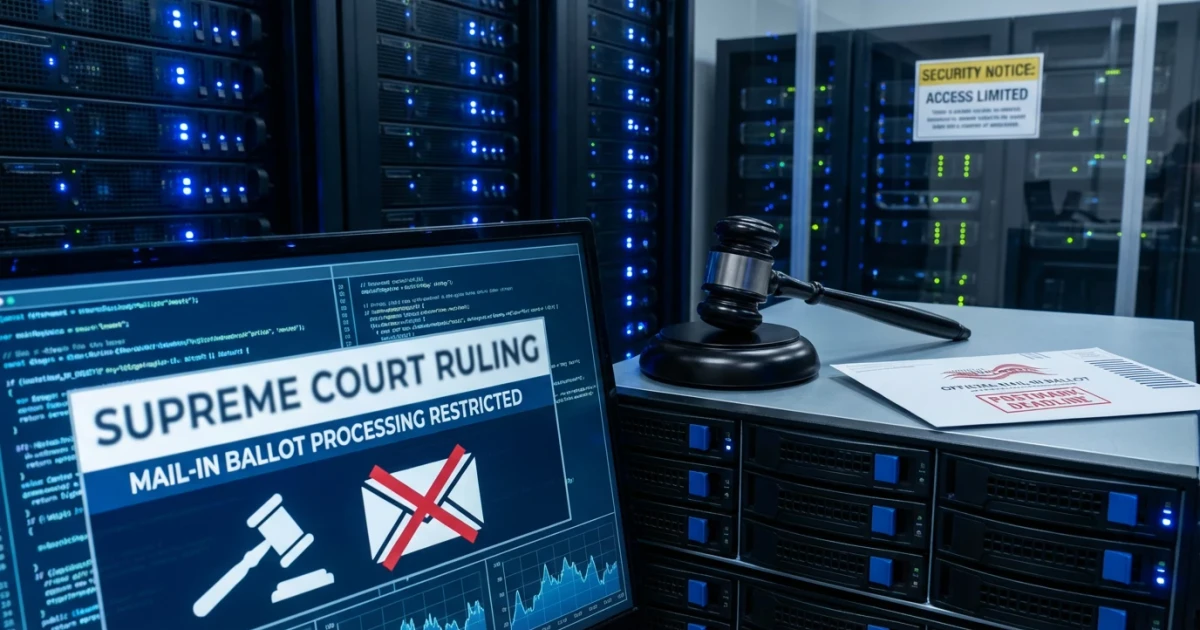
The Supreme Court appears poised to restrict the acceptance of late-arriving mail-in ballots, a key issue as the nation prepares for the upcoming midterm elections. The development, first reported by The Washington Post, has sparked widespread debate about voter access, election security, and the practical consequences for states with high mail-in voting rates.
Background on Mail-In Balloting
Mail-in and absentee ballots have played an increasingly significant role in U.S. elections. According to the National Conference of State Legislatures, every state allows some form of absentee voting, though deadlines and eligibility vary widely. In recent years, especially during the COVID-19 pandemic, the use of mail-in ballots surged as voters sought safer alternatives to in-person voting. A Pew Research Center analysis found that in the 2020 election, nearly half of all voters cast their ballots by mail or absentee ballot, marking a historic shift in voting methods.
The Supreme Court's Deliberation
The Supreme Court is now considering whether states must count mail-in ballots received after Election Day, even if they were postmarked on time. As reported by The Washington Post, justices appeared skeptical of arguments in favor of accepting late-arriving ballots, signaling a possible decision that would tighten deadlines and narrow the window for counting mail-in votes. The Court's official docket for the case can be reviewed on the Supreme Court's website.
- Many states currently accept mail-in ballots that arrive after Election Day, provided they are postmarked by Election Day, but others require ballots to be received before polls close.
- The decision could require states to reject ballots that arrive late, regardless of postmark, effectively disenfranchising voters who rely on the mail system.
Potential Impact on Voters and Election Administration
Limiting the acceptance of late-arriving mail-in ballots may have a disproportionate impact on certain groups. According to research by the Brennan Center for Justice, voters who are elderly, disabled, or living abroad often depend on mail-in voting. Rural voters and those serving in the military may also be affected due to longer mail transit times.
The U.S. Election Assistance Commission provides comprehensive data on mail-in ballot usage, highlighting how millions of Americans participate remotely each election cycle. Any changes to ballot acceptance rules could require rapid adjustments by election officials, including new voter outreach, logistical changes, and updates to ballot tracking systems.
Public Health and Policy Considerations
During the COVID-19 pandemic, the Centers for Disease Control and Prevention recommended expanding mail-in voting to reduce crowds at polling places. While many emergency policies have since lapsed, the precedent of broad mail-in ballot access remains a central focus of voting rights advocates.
Looking Ahead
As the midterm elections approach, the Supreme Court's anticipated decision could reshape how millions of Americans cast their ballots. If the Court moves to restrict late-arriving mail-in ballots, voters and election administrators may face new challenges to ensure every eligible vote is counted on time. Policymakers, advocacy groups, and voters are watching closely as the case nears resolution.