Politics
Supreme Court strikes down gun ban for regular marijuana users
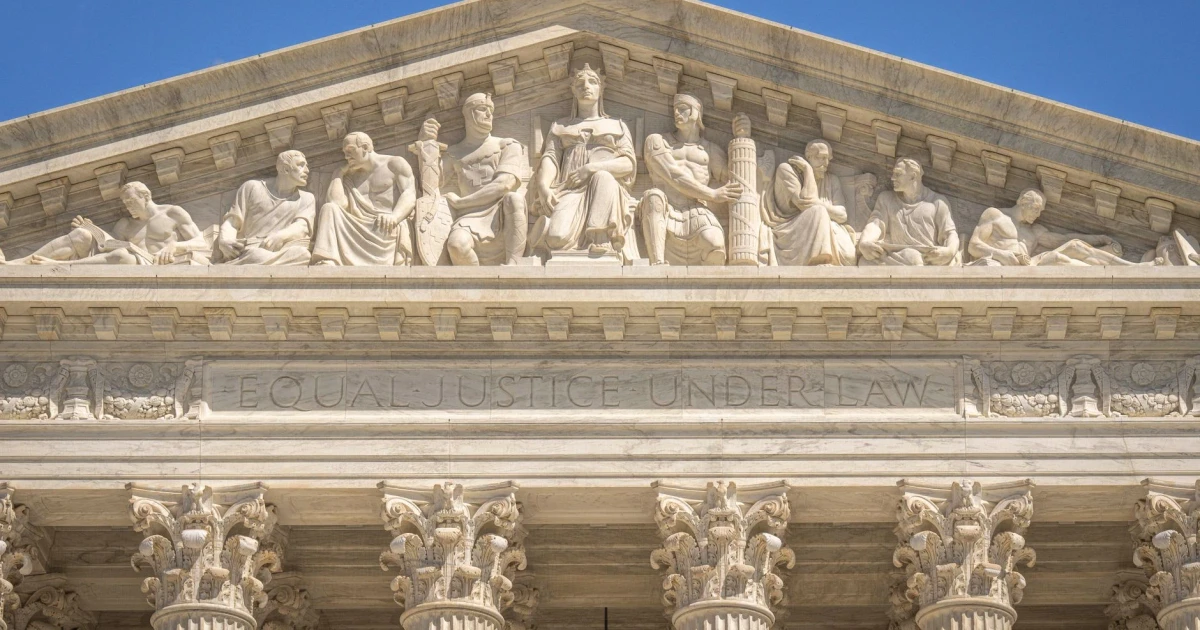
The Supreme Court unanimously said federal prosecutors went too far when they used a federal gun ban to charge a Texas man whose case turned on admitted marijuana use, not violent conduct or a trafficking record. In United States v. Hemani, decided June 18, 2026, the justices held 9-0 that the government’s prosecution of Ali Hemani under 18 U.S.C. § 922(g)(3) was inconsistent with the Second Amendment.
Hemani, a dual citizen of the United States and Pakistan who was born in Texas and raised in the Dallas area, became the face of a high-stakes challenge to a law that can carry up to 15 years in prison. According to the court’s account, FBI agents searched his family home in 2022 while investigating suspected terrorism-related activity and found a handgun, marijuana and cocaine. Federal prosecutors later relied on Hemani’s own statement that he used marijuana about every other day to support the charge.
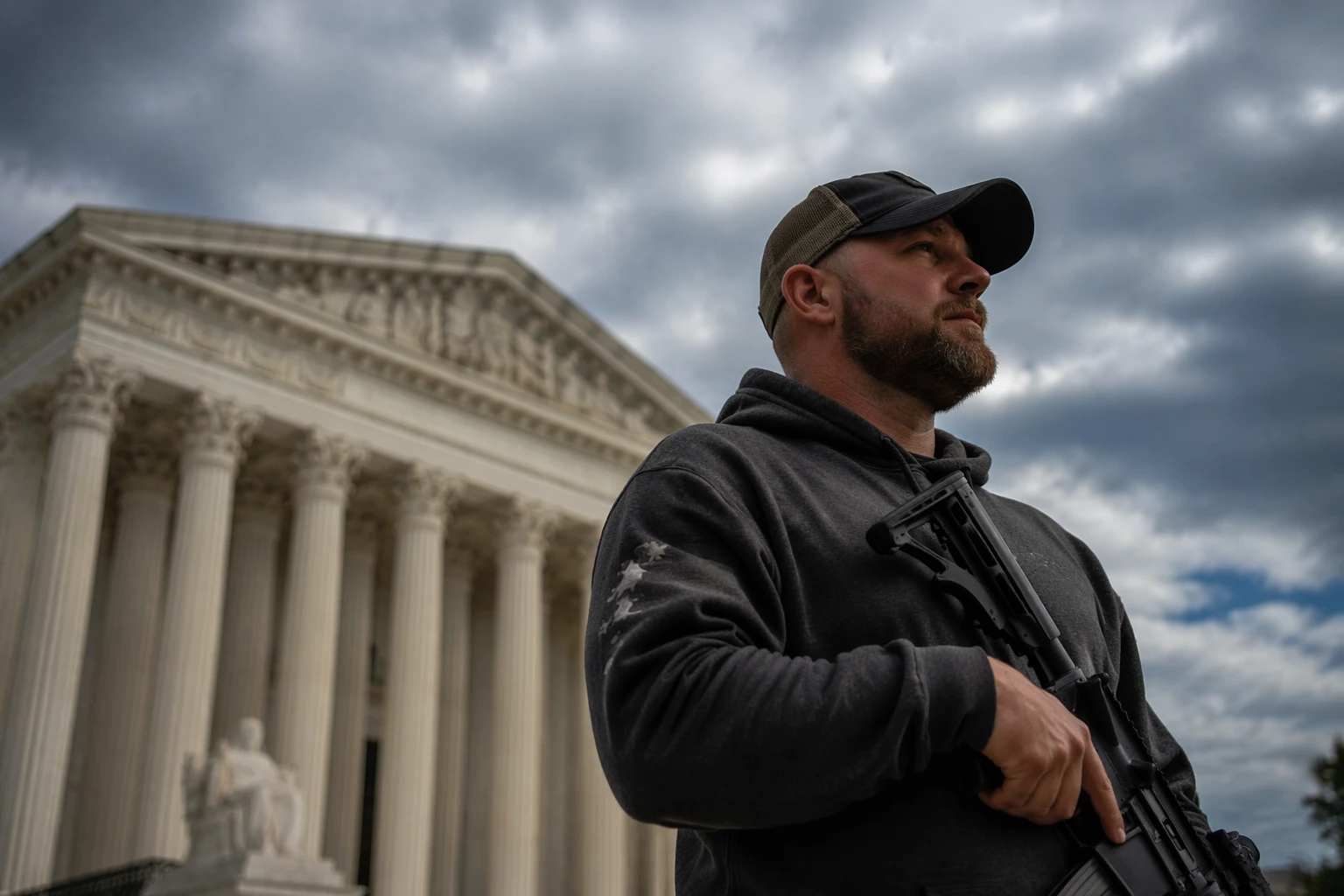
Justice Neil Gorsuch wrote the majority opinion and applied the Bruen historical-tradition test, concluding that the government had not shown a historical analogue for a blanket ban on regular marijuana users owning guns. The ruling was deliberately narrow. It did not strike down § 922(g)(3) across the board, did not resolve bans aimed at people who are presently intoxicated or addicted, and did not disturb other federal firearm restrictions, including the longstanding ban on convicted felons.
The vote was unanimous, but the justices filed separate writings that underscored the depth of the legal debate. Justice Clarence Thomas wrote a concurrence. Justice Ketanji Brown Jackson wrote separately, joined by Justice Sonia Sotomayor. Justice Samuel Alito also concurred in the judgment, joined by Justice Elena Kagan.
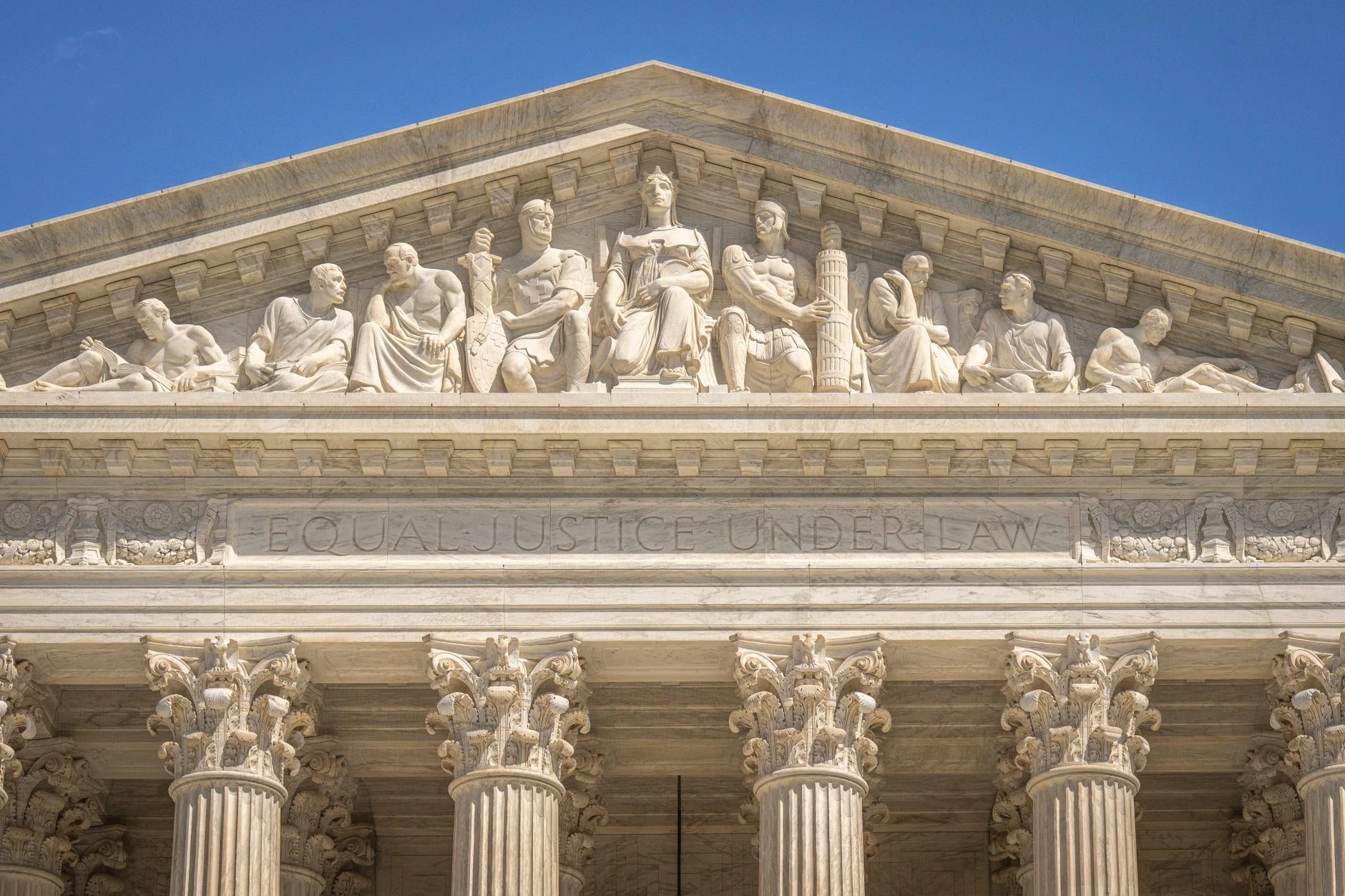
The case drew unusual coalitions on both sides. The American Civil Liberties Union, the National Rifle Association and cannabis-legalization advocates such as NORML backed Hemani, while Everytown opposed him. The U.S. Department of Justice has estimated that roughly 300 people are charged under the drug-user firearm provision each year, giving the ruling immediate consequences for a relatively small but legally important slice of federal gun prosecutions.
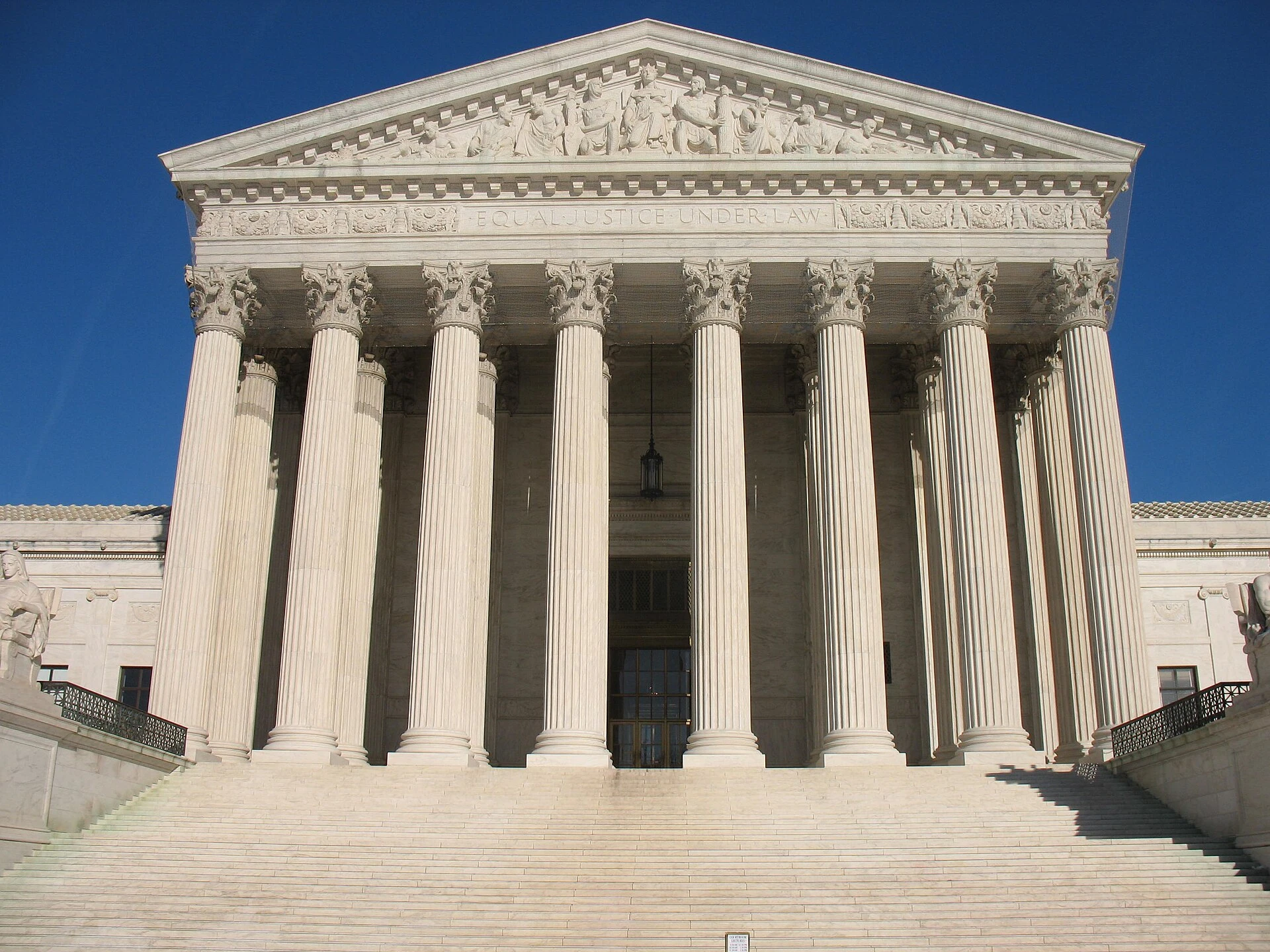
Hemani also sharpened the constitutional line the court is drawing after its 2022 Bruen decision and its 2024 ruling in Rahimi, which upheld a gun ban for people subject to domestic-violence restraining orders. The new decision signals that the justices remain open to reviewing status-based firearm prohibitions one category at a time, asking whether the government can tie each restriction to history rather than to broad assumptions about risk. That framework now leaves other categorical bans, especially those targeting people based on status alone, vulnerable to fresh challenges.
Sources
- [1]cbsnews.com
- [2]supremecourt.gov
- [3]scotusblog.com
- [4]atf.gov