Politics
Supreme Court strikes down limits on coordinated political spending
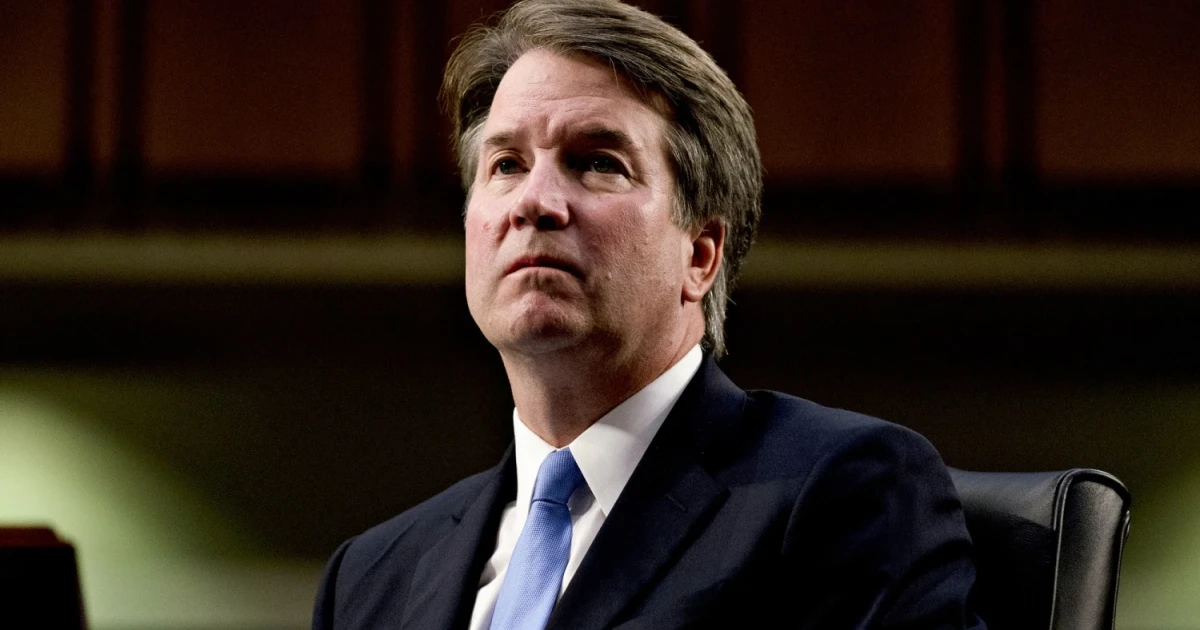
The Supreme Court struck down federal limits on coordinated political spending Tuesday, handing party committees and candidate campaigns a new opening to combine money and strategy in ways that had been barred for decades. In a 6-3 ruling written by Justice Brett Kavanaugh, the court said the post-Watergate limits enacted in 1974 violated political parties’ First Amendment rights.
The decision erased a ceiling that had constrained how much political parties could spend in coordination with federal candidates and how much individuals could give to those parties. In practical terms, Republicans can now argue that party committees may raise unlimited funds and spend them in tandem with candidates, a power that had been sharply bounded under the Federal Election Campaign Act. PACs and super PACs already may raise and spend unlimited money, but they cannot coordinate with candidates.
The case was brought by the National Republican Senatorial Committee, the National Republican Congressional Committee, JD Vance, then a Republican Senate candidate in Ohio in 2022, and former Rep. Steve Chabot, also of Ohio. The Trump Justice Department declined to defend the limits and backed the challengers, while the Federal Election Commission sided with them as well. The justices had previously upheld the coordinated-spending caps in 2001, so Tuesday’s ruling overturned a 25-year-old precedent.
The current cap varied by office and population, and could reach almost $4 million for Senate races and $127,000 for at-large House seats. Those limits had already been loosened in 2014, when Congress allowed unlimited coordinated spending on some legal expenses, including election-recount lawsuits and other proceedings. Tuesday’s ruling went much further, removing the central restraint on how much a party can spend with a candidate’s campaign.
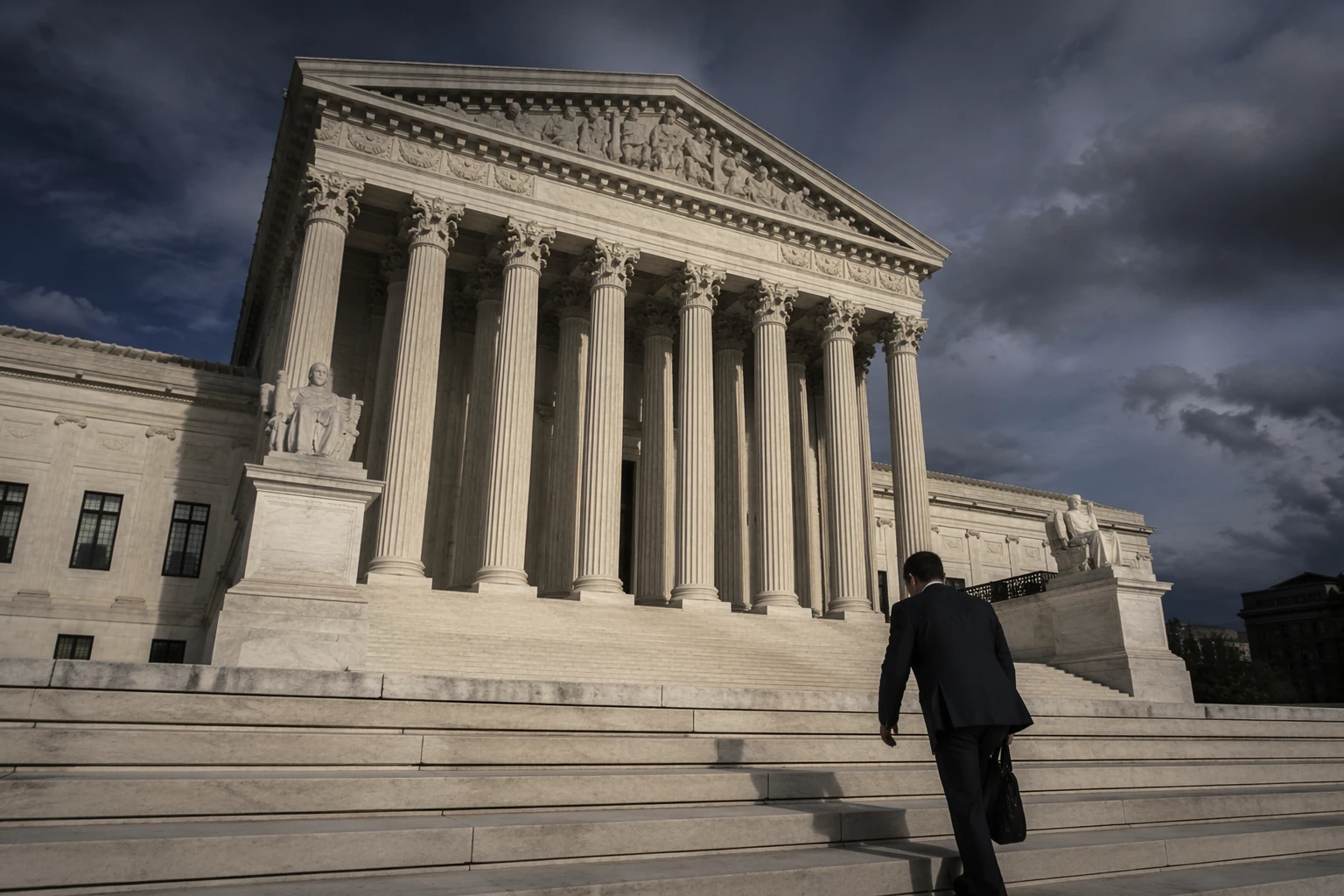
Democratic Party lawyers and allied groups such as the Democratic National Committee, the Democratic Senatorial Campaign Committee and the Democratic Congressional Campaign Committee had warned the court that eliminating the caps would fundamentally reshape the campaign finance regime. They argued that the rules were needed to curb quid pro quo corruption and the appearance of corruption.
The ruling also extends a long judicial trend that has steadily weakened campaign finance restrictions since Citizens United in 2010, along with the 2011 decision that dismantled Arizona public financing and the 2014 ruling that struck down aggregate contribution limits. The immediate effect is likely to be felt in the 2026 midterm elections, where tighter integration between party spending and candidate messaging could reshape the volume, timing and geographic precision of ads in competitive House and Senate contests.
Sources
- [1]cbsnews.com
- [2]wprl.org
- [3]nbcnews.com
- [4]campaignlegal.org
- [5]cnbc.com