Politics
Supreme Court strikes down limits on party campaign spending coordination
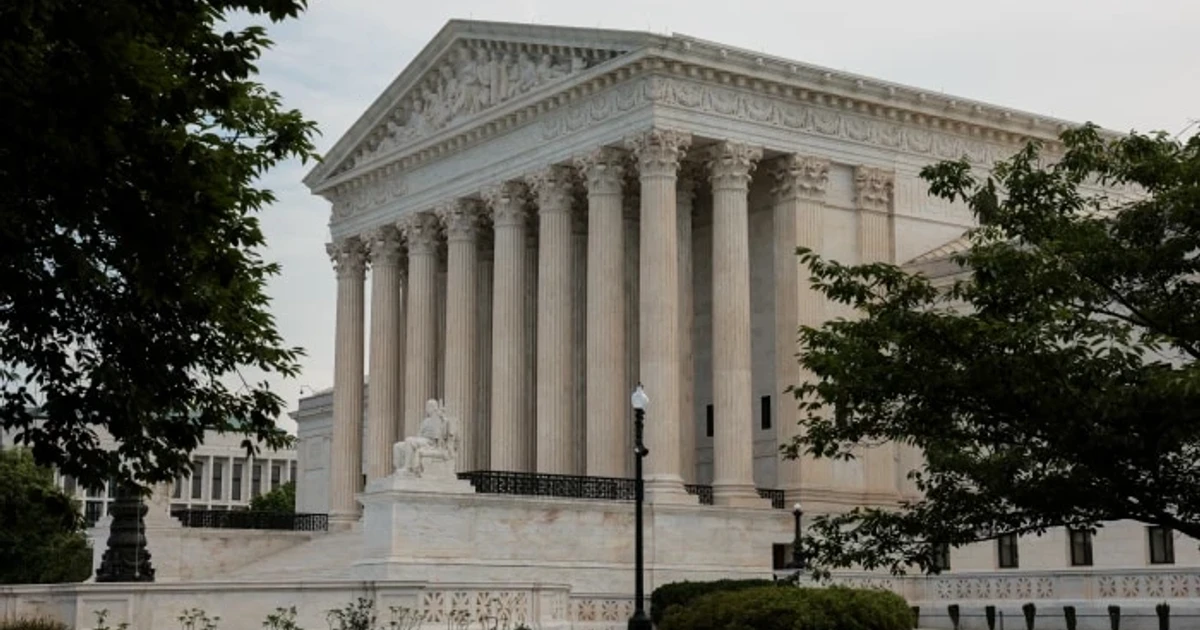
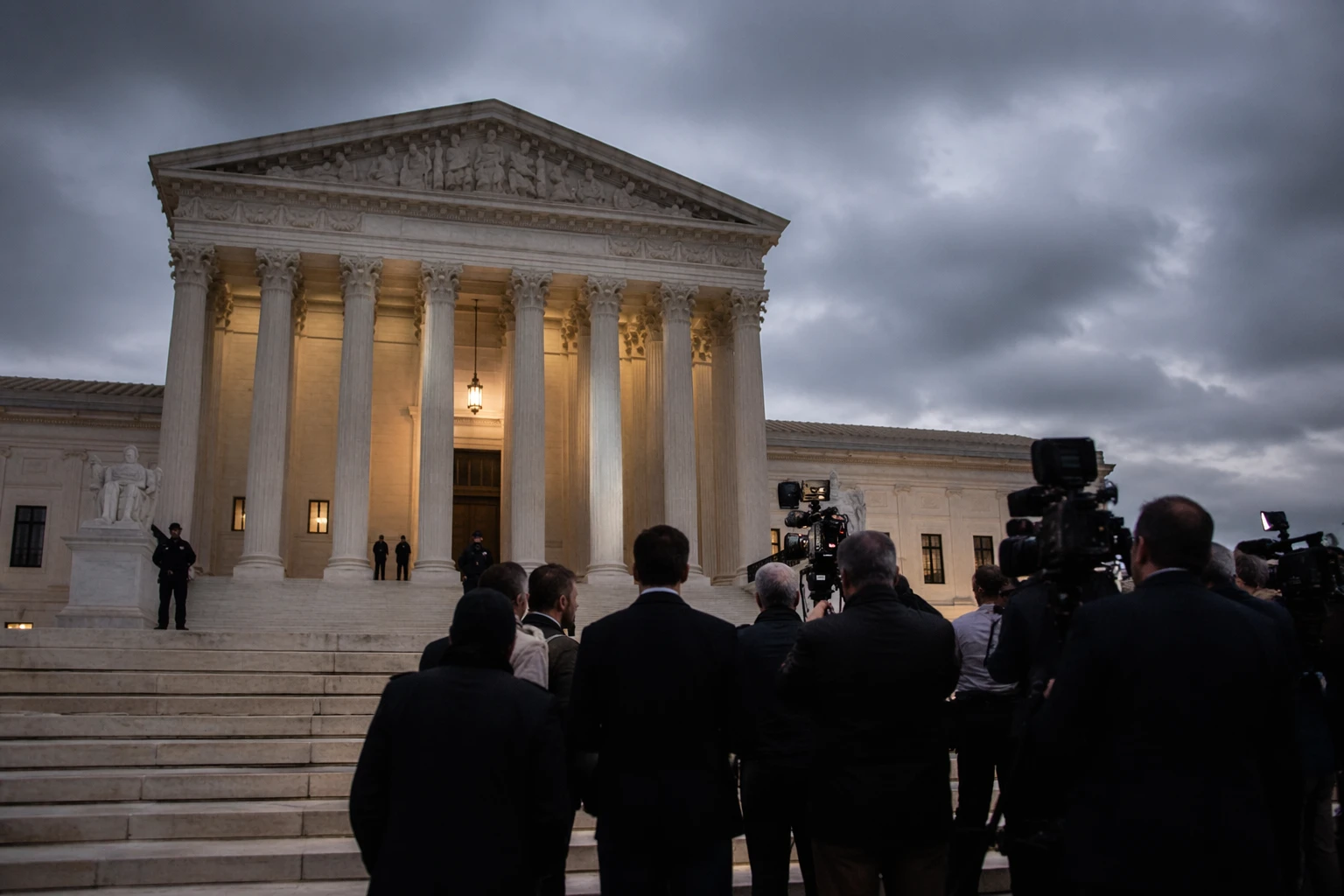
The Supreme Court erased federal limits on coordinated party spending, giving party committees and candidates a new route to coordinate their campaign activity heading into the 2026 midterms. The 6-3 ruling in National Republican Senatorial Committee v. Federal Election Commission came with Justice Brett Kavanaugh writing for the majority, while Justices Elena Kagan, Sonia Sotomayor and Ketanji Brown Jackson dissented.
The decision struck down 52 U.S.C. § 30116(d), the Federal Election Campaign Act provision that had capped what parties could spend in coordination with their nominees. It overruled the Court’s 2001 decision in Federal Election Commission v. Colorado Republican Federal Campaign Committee, known as Colorado II, which had upheld those same coordinated-spending limits. The challengers were the National Republican Senatorial Committee, the National Republican Congressional Committee, then-Sen. J.D. Vance and former Rep. Steve Chabot, after the U.S. Court of Appeals for the Sixth Circuit upheld the restriction and the justices agreed to take the case.
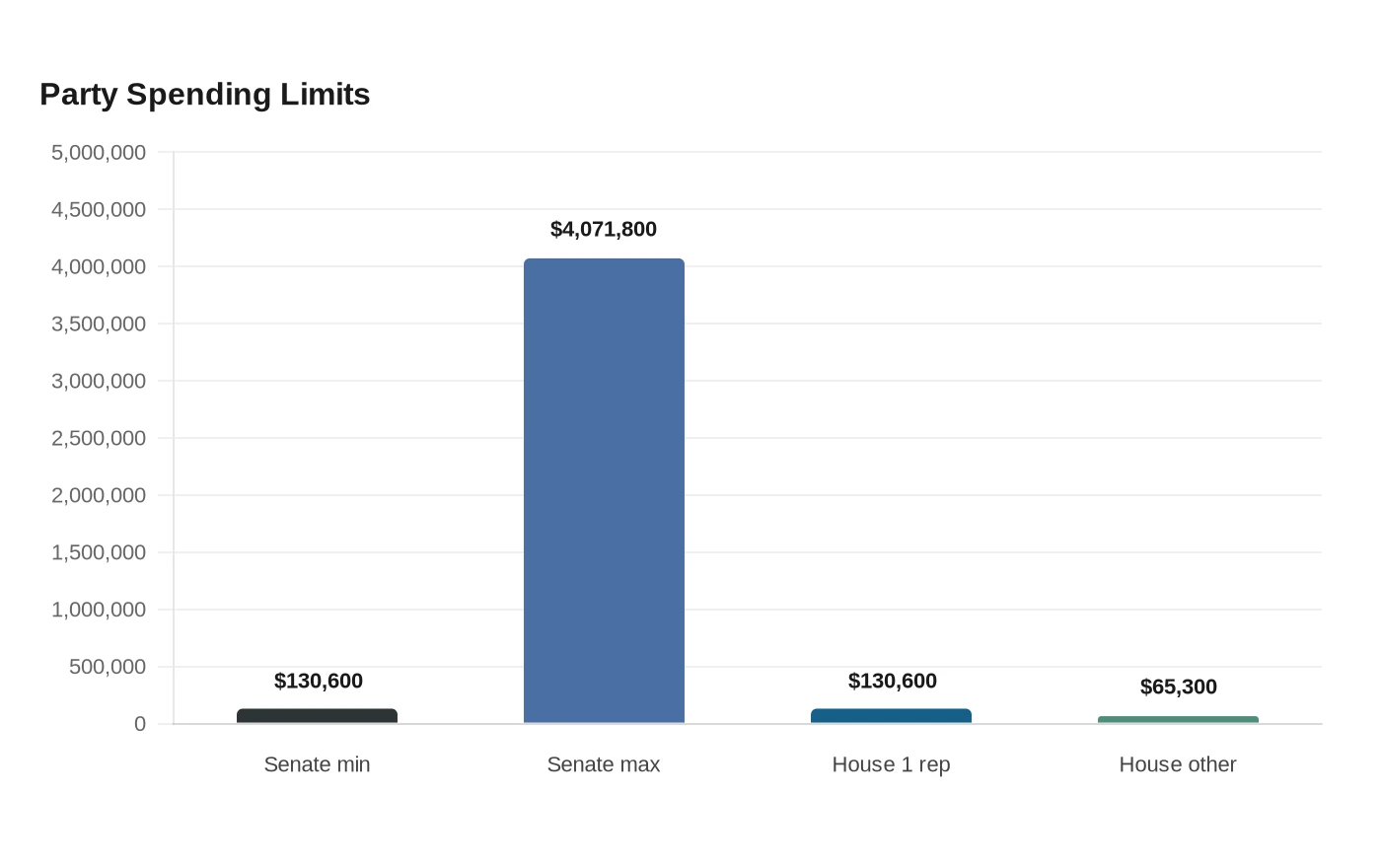
The practical effect will be felt first in the 2026 midterms. Under a March 3 FEC notice, the coordinated party expenditure limits for Senate nominees ranged from $130,600 to $4,071,800, depending on each state’s voting-age population. House nominees faced a $130,600 limit in states with only one representative and $65,300 in all other states. With those caps gone, party committees can push far more money into advertising, message testing and turnout operations in lockstep with candidates, instead of keeping those efforts in separate lanes.
Democrats said the case could “fundamentally reshape the campaign finance regime.” The NRSC and NRCC called the outcome a First Amendment victory and said it would let parties coordinate more closely with candidates. The case was brought by GOP organizations seeking to loosen the rules.
Sources
- [1]nytimes.com
- [2]supremecourt.gov
- [3]scotusblog.com
- [4]fec.gov
- [5]dccc.org
- [6]nrcc.org
- [7]brennancenter.org