Politics
Supreme Court strikes down limits on party spending with candidates
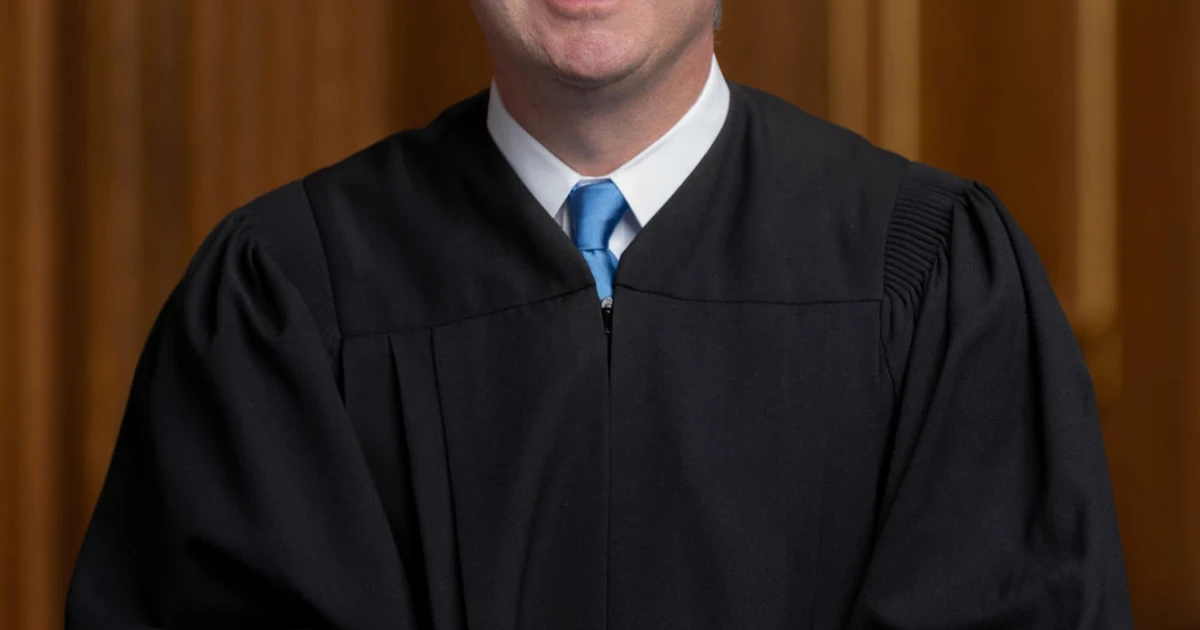
The Supreme Court ruled 6-3 on June 30, 2026, that federal limits on how much political parties can spend in coordination with their candidates violate the First Amendment, removing a long-standing cap on party-candidate spending ahead of the November midterms. Justice Brett Kavanaugh wrote the majority opinion in National Republican Senatorial Committee v. Federal Election Commission, and the court overruled its 2001 precedent in Colorado Republican Federal Campaign Committee v. FEC.
The case came from a Republican-led challenge brought by the National Republican Senatorial Committee, the National Republican Congressional Committee and then-Sen. JD Vance. The court said Vance still has a Senate Statement of Candidacy on file for 2028, a detail that helped preserve standing in the case. Arguments were heard on Dec. 9, 2025, and the ruling immediately changes the legal ceiling for how much parties can work in lockstep with candidates on campaign spending.
Before the ruling, coordinated-spending caps ranged from $63,600 to $127,200 in House races and from $127,200 to $3,946,100 in Senate races, depending on the district or state. National party committees used those limits to shape television ads, joint fundraising efforts and how closely they could align with individual campaigns. Party committees can now seek greater freedom to pay for ads that are coordinated with a candidate’s campaign, rather than pushing more spending into separate outside groups.
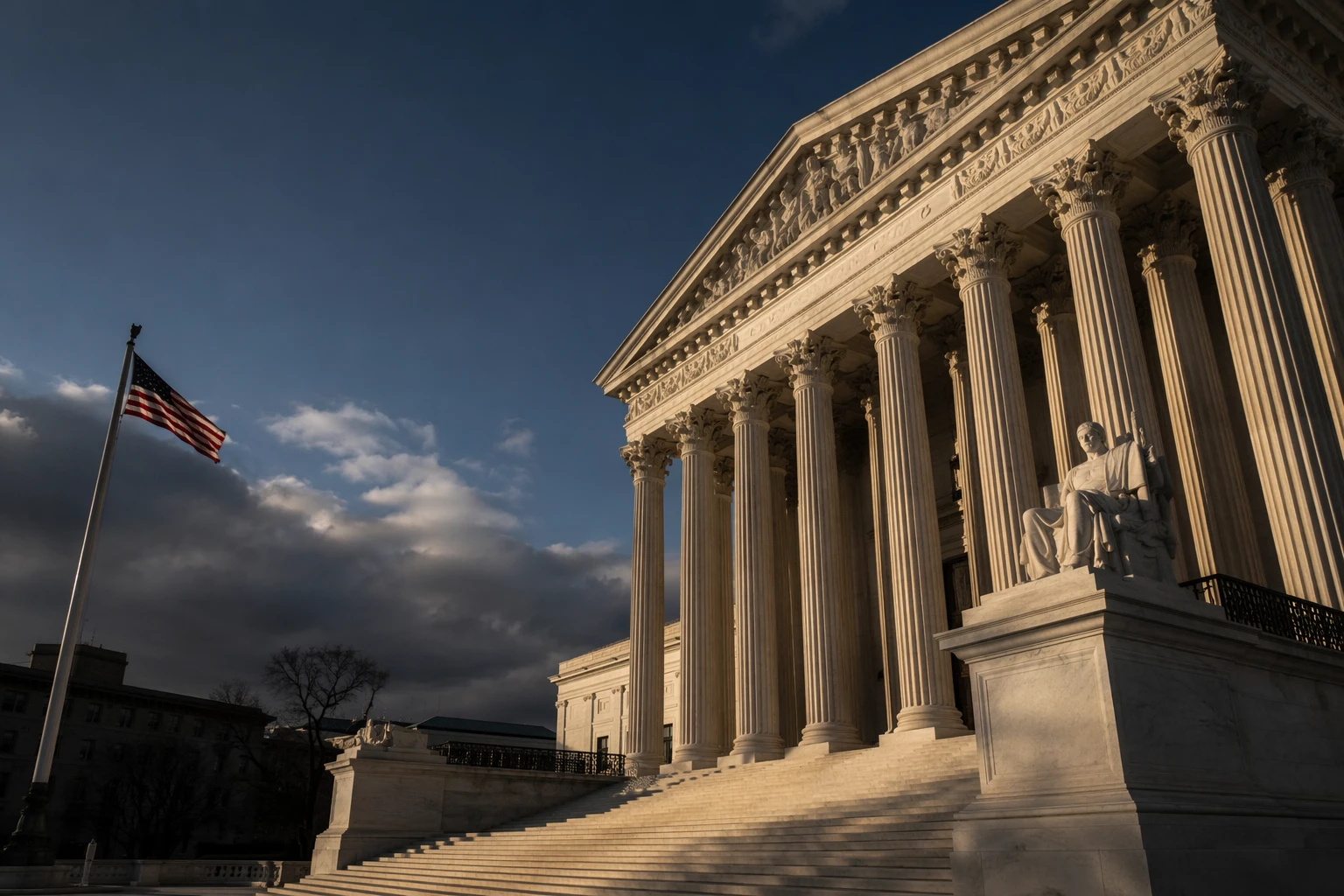
Democrats opposed overturning the limits and warned that it would advantage large donors. Republicans argued the restrictions violated core speech rights. Justice Elena Kagan, in dissent, warned that the decision would further weaken anti-corruption safeguards and could allow wealthy donors to bypass existing rules.
Sources
- [1]washingtonpost.com
- [2]supremecourt.gov
- [3]politico.com
- [4]apnews.com
- [5]nbcnews.com
- [6]cnbc.com