Politics
Supreme Court strikes down Trump bid to end birthright citizenship
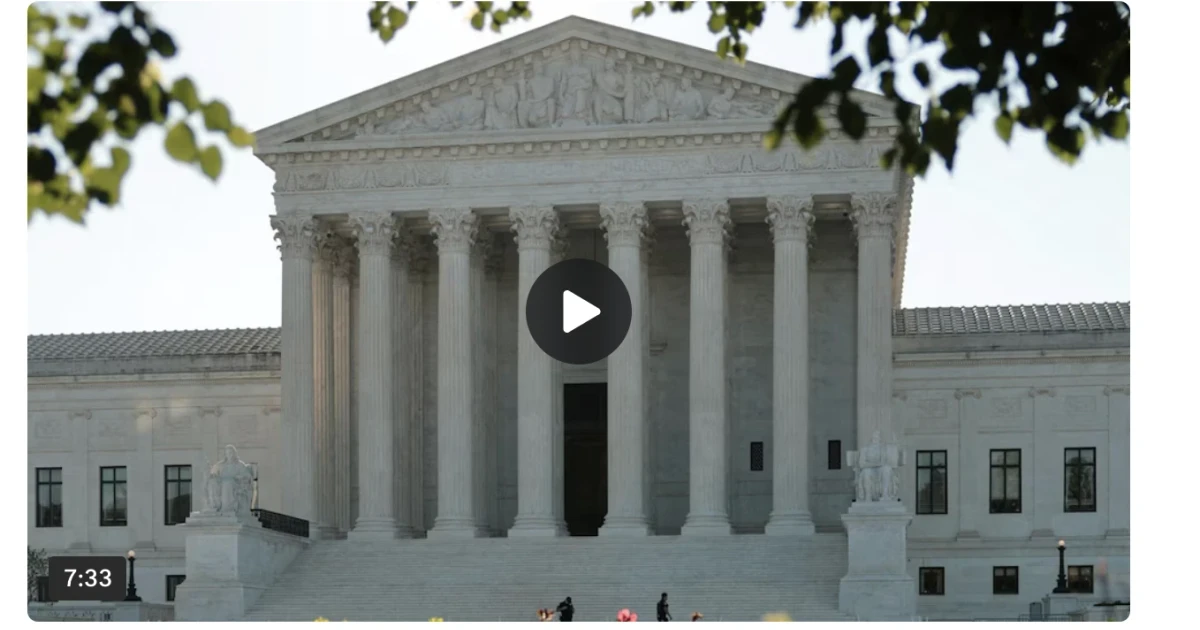
The Supreme Court on Tuesday struck down Donald Trump’s executive order seeking to end birthright citizenship, ruling that the president could not rewrite citizenship rules by executive order alone. The decision immediately preserved the long-standing practice for families with children born in the United States and spared hospitals, states and federal agencies from carrying out a policy that had been blocked everywhere and never took effect.
The ruling turned on the Constitution’s Citizenship Clause, adopted in 1868 after the Civil War, which says that “all persons born or naturalized in the United States, and subject to the jurisdiction thereof, are citizens.” The court’s understanding of that language has been anchored for more than a century by United States v. Wong Kim Ark in 1898, when the justices held that a child born in San Francisco to Chinese citizen parents was a U.S. citizen because birth on U.S. soil controlled in that case.
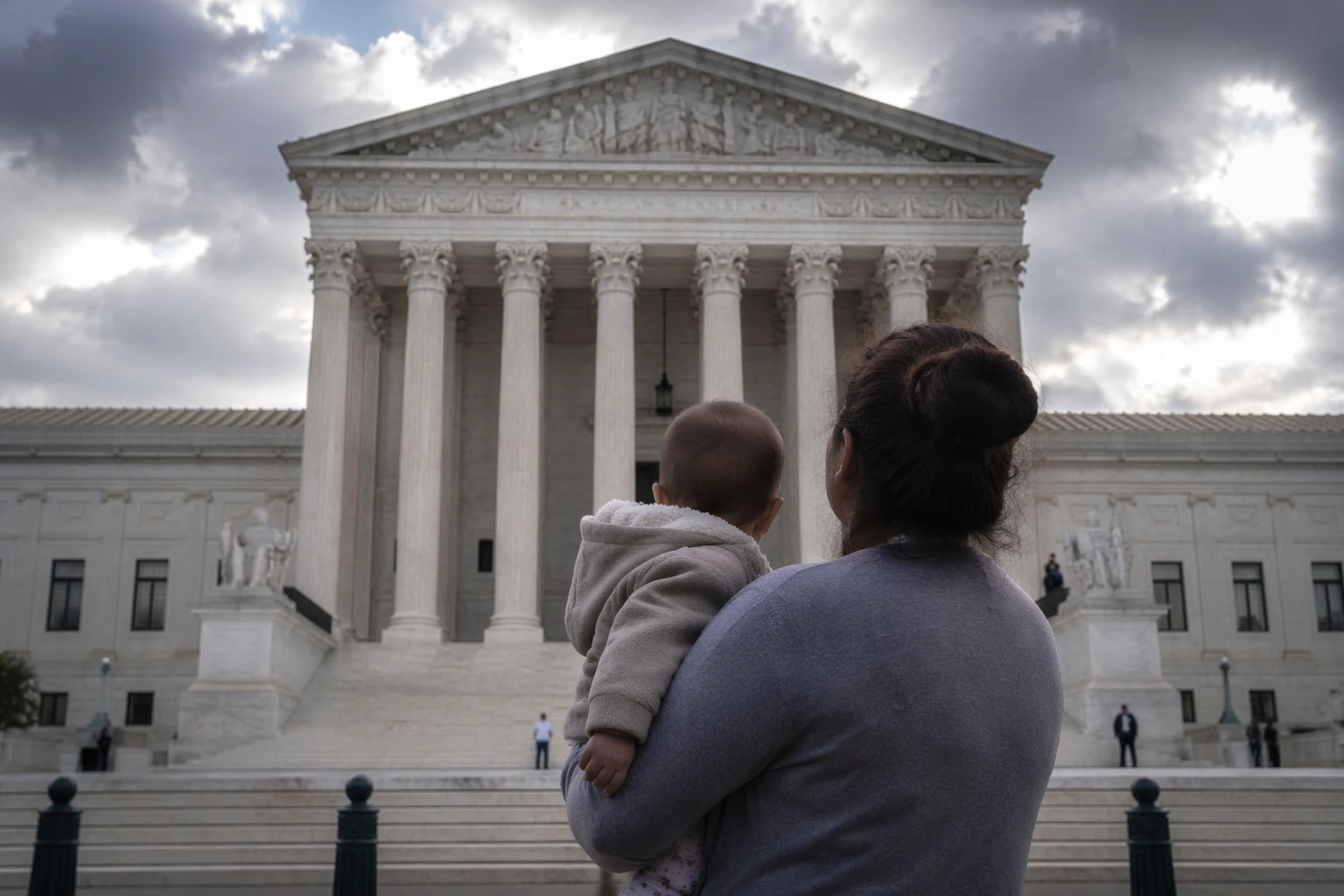
Trump signed Executive Order 14160 on the first day of his second term, targeting children born in the United States to parents who were in the country illegally or temporarily. Lower courts blocked the order before it could take effect anywhere in the country. The new ruling makes that block permanent and leaves no room for the White House to impose a different citizenship test without going through the Constitution itself.
The path to Tuesday’s decision ran through a separate 6-3 ruling on June 27, 2025, in Trump v. CASA, Inc., where the court said universal injunctions likely exceed the equitable authority Congress has given federal courts. That case narrowed how lower courts could freeze federal policies nationwide, but it did not resolve whether Trump’s citizenship order was constitutional. In April 2026, the justices heard argument on the merits, and Trump attended in person, an extraordinary appearance that underscored how closely he tied the fight to his broader immigration agenda.
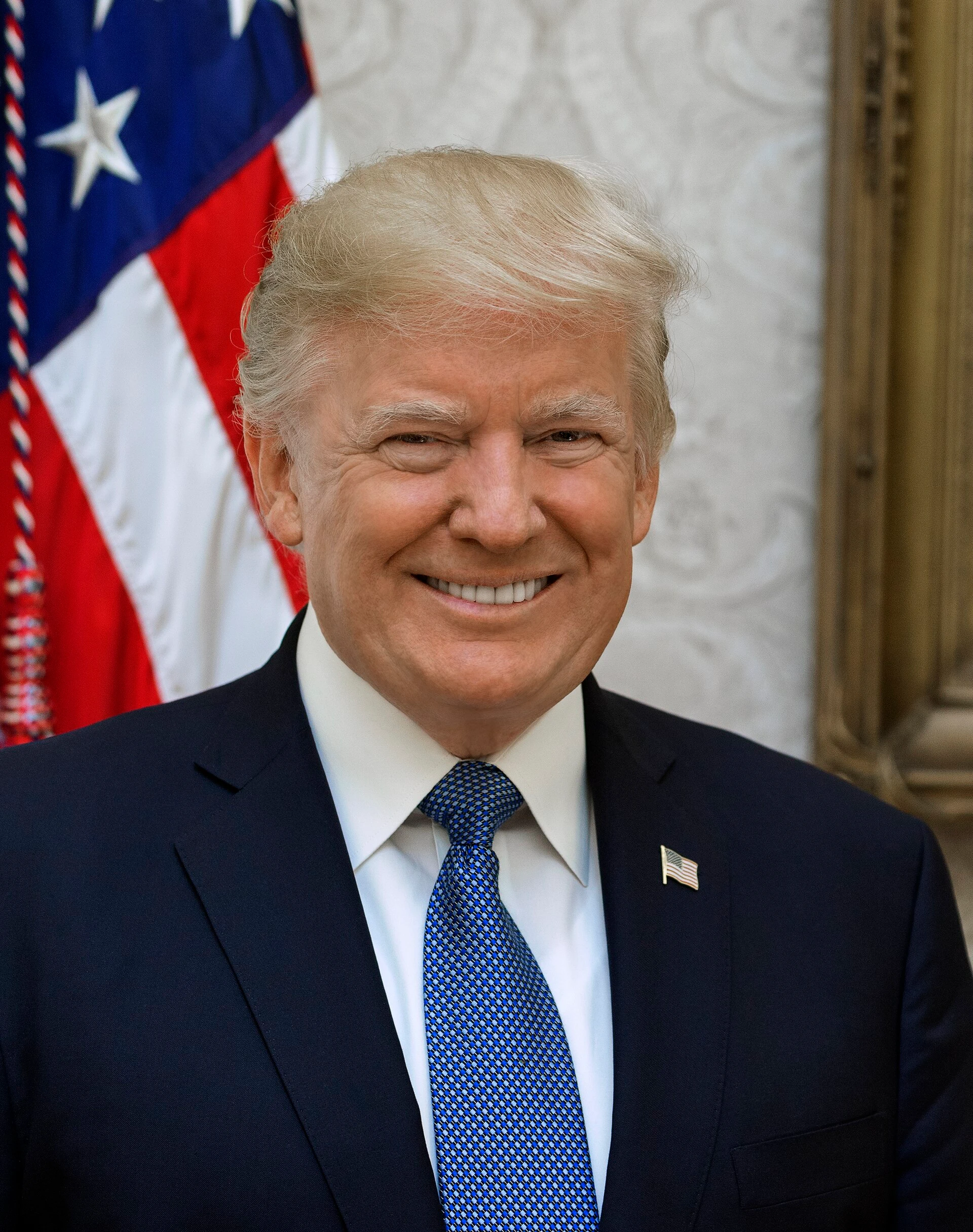
The case was the first Trump immigration-related policy to reach the Supreme Court for a final ruling. Its rejection dealt a major blow to the administration’s crackdown and reaffirmed that the definition of citizenship at birth remains a matter for the Constitution, not presidential decree.
Sources
- [1]cbsnews.com
- [2]supremecourt.gov
- [3]constitutioncenter.org
- [4]chicago.suntimes.com
- [5]msn.com