Politics
Supreme Court takes up Trump, transgender and campaign finance cases

The Supreme Court’s 2025-26 term placed three fights with immediate political consequences at the center of the docket: Donald J. Trump’s bid to revive his birthright-citizenship policy, two transgender-athlete cases, and a challenge to federal limits on party campaign spending. The calendar has already shown how much of the term turns on questions that reach far beyond the courtroom, from presidential power to the rules that govern elections and school sports.
The most far-reaching case is Trump v. Barbara, the Court’s birthright-citizenship dispute over Executive Order No. 14,160. The Trump administration asked the justices to review lower-court rulings from the 1st and 9th Circuits, making the case a direct test of how far a president can go in trying to narrow citizenship rules through executive action. A ruling for Trump could sharply expand presidential authority over immigration and citizenship policy; a ruling against him would reinforce judicial limits on unilateral executive power.
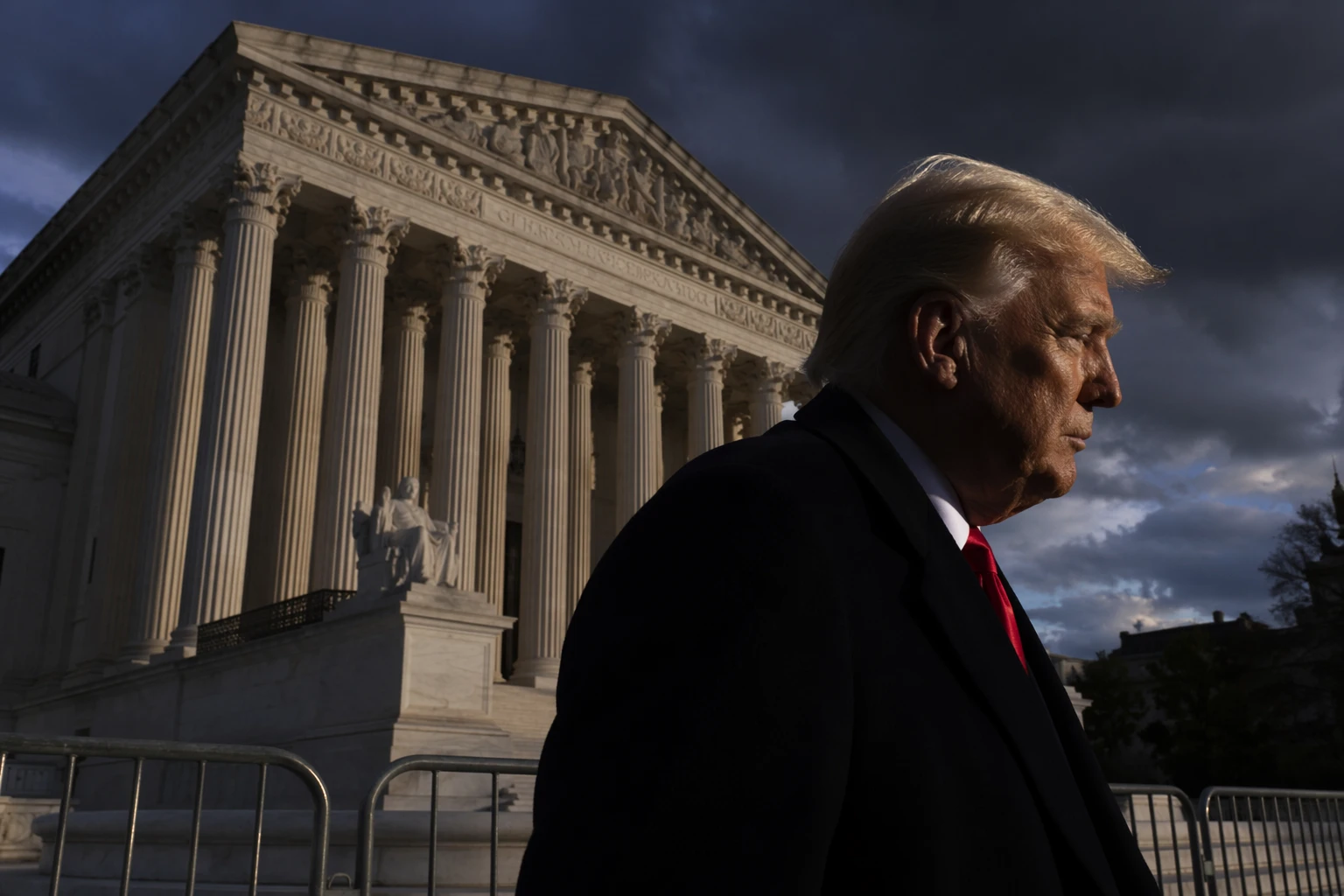
The Court also heard two cases with sweeping implications for LGBTQ rights and state regulation of youth counseling and school athletics. Little v. Hecox and West Virginia v. B.P.J. were argued together on January 13, 2026, placing Idaho and West Virginia at the center of a legal fight over transgender athletes. In Colorado, Chiles v. Salazar was argued on October 7, 2025, and decided on March 31, 2026. That case asked whether the state may restrict counseling aimed at changing a minor’s sexual orientation or gender identity, a dispute that directly touched the scope of professional speech and state authority over mental-health practice.
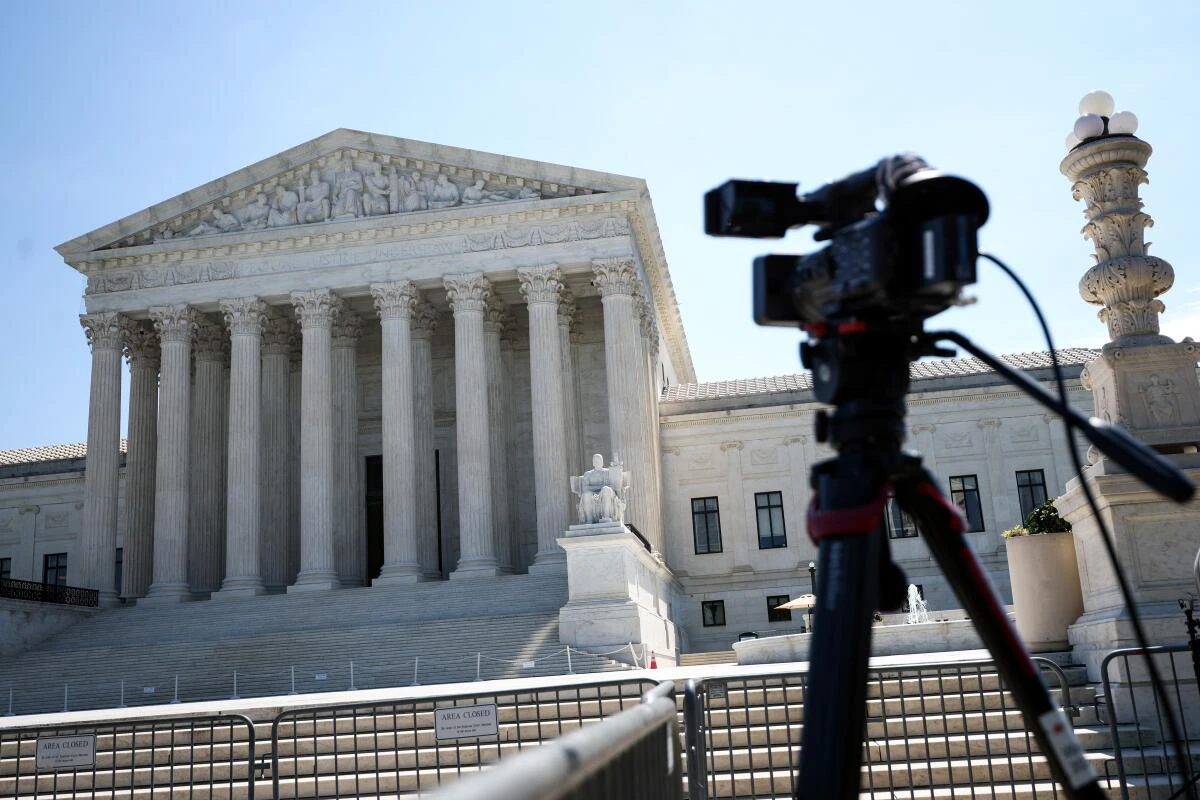
Campaign rules were also on the justices’ agenda. National Republican Senatorial Committee v. FEC was set for argument on January 20, 2026, and challenged federal limits on coordinated party expenditures under the Federal Election Campaign Act. The case carries obvious stakes for the Federal Election Commission, national party committees and the financing of Senate races, where coordination rules can shape how much help candidates receive from their own party organizations.
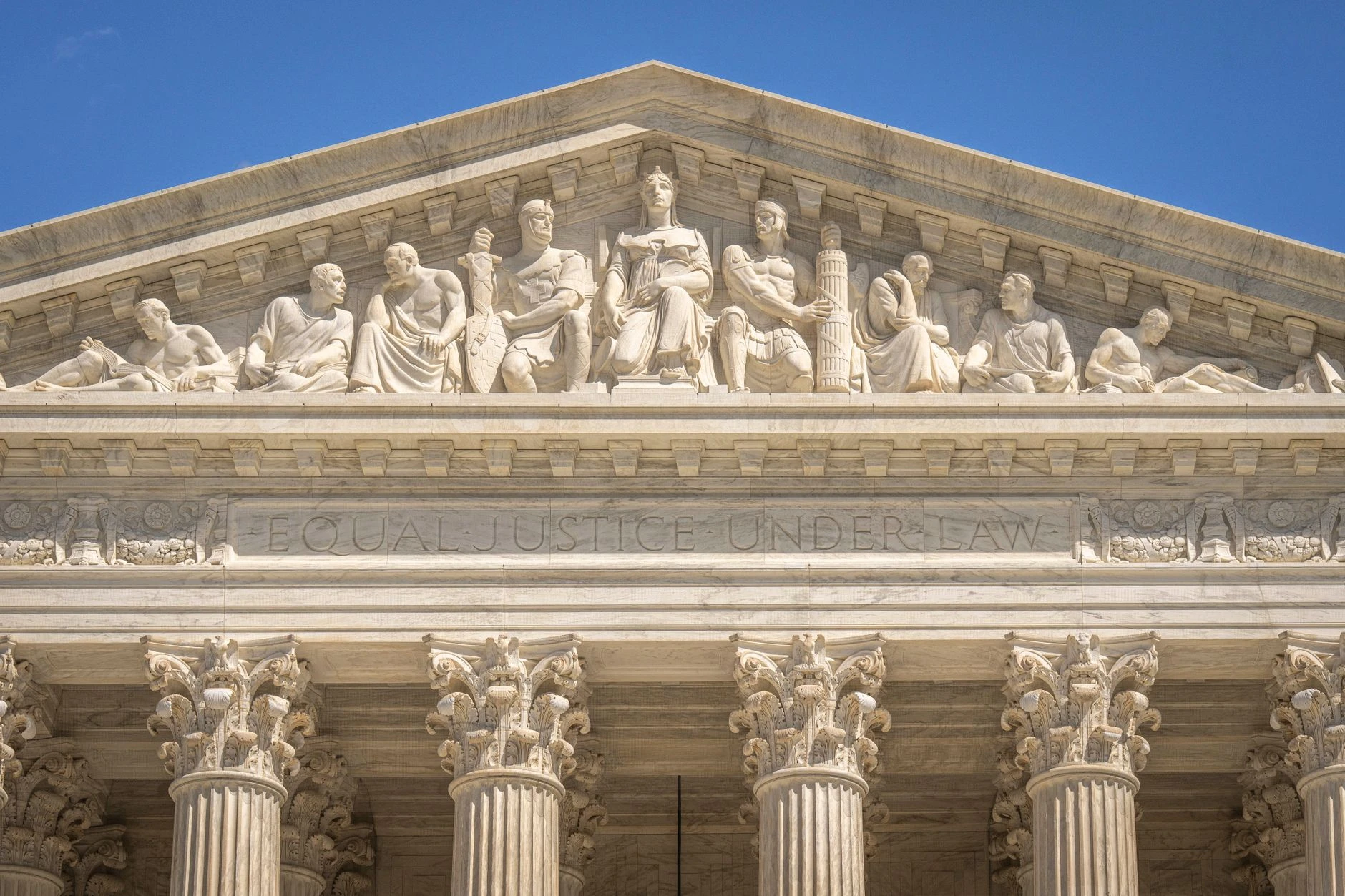
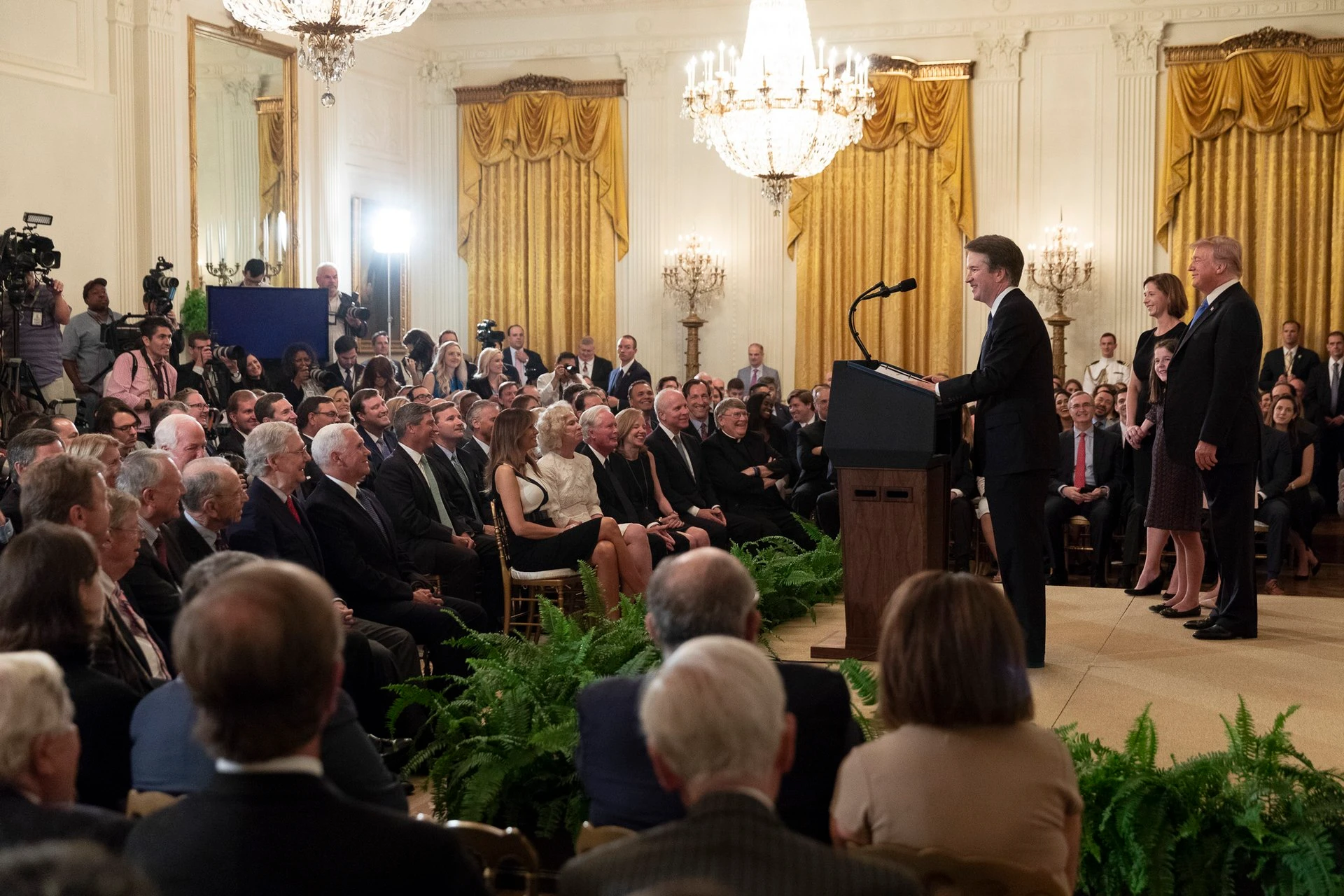
The October Term 2025 began on October 6, 2025, and runs through October 3, 2026, with argument sessions continuing into the spring. By June 16, 2026, the Court had issued 35 emergency orders in disputes tied to the second Trump administration, underscoring how often presidential power has already come before the justices outside the normal argument calendar. For voters, state officials and campaign lawyers, the term has become a preview of how the Court may redraw the boundaries of executive authority, election rules and civil rights before the next political cycle hardens.
Sources
- [1]washingtonpost.com
- [2]supremecourt.gov
- [3]congress.gov
- [4]scotusblog.com
- [5]reuters.com