Politics
Supreme Court term delivers Trump losses, major conservative wins
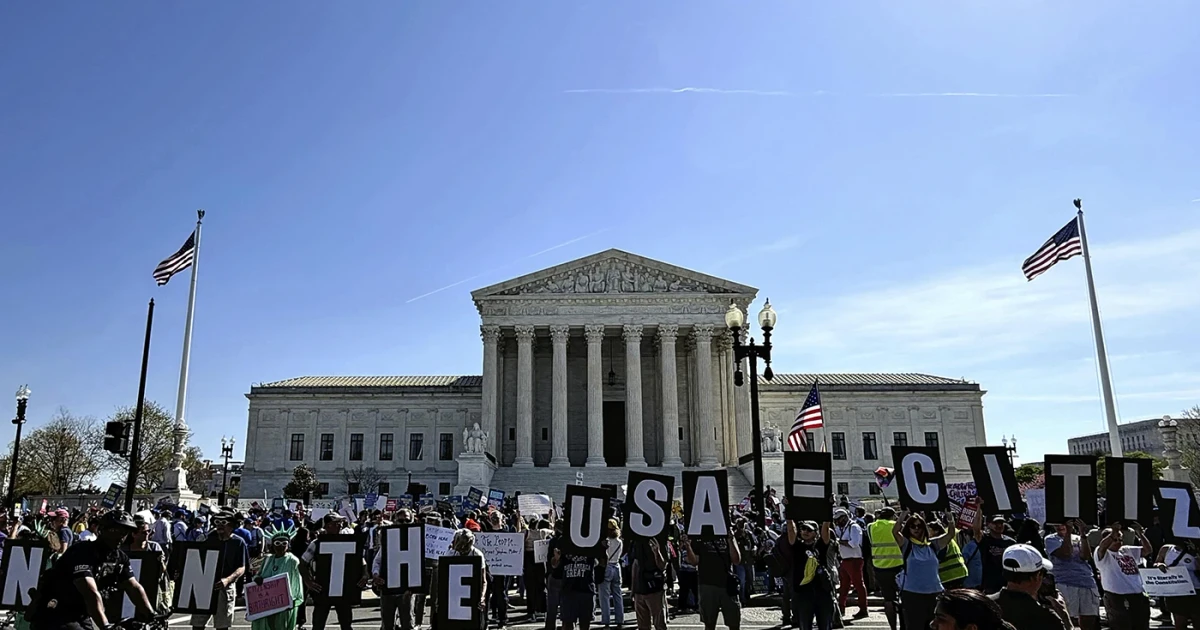
The Supreme Court ended its 2025-26 term by delivering Donald Trump a sharp mix of setbacks and structural victories. It blocked him in fights over tariffs, birthright citizenship and his attempt to remove Federal Reserve governor Lisa Cook, yet it also made it harder for lower courts to freeze executive actions nationwide and advanced a long-term conservative agenda on immigration, elections, social issues and campaign finance.
The ruling that changed the playbook for challenging executive power
The most consequential procedural shift came on June 27, 2025, when the court limited the use of nationwide injunctions in a case tied to Trump’s birthright-citizenship order. The justices did not decide whether the order itself was constitutional. Instead, they said the question was whether federal courts have the equitable authority to issue universal injunctions, and they concluded that lower courts likely exceeded the authority Congress granted them.
That distinction matters far beyond one immigration fight. A nationwide injunction lets a single trial judge stop a federal policy everywhere in the country, not just for the plaintiffs in front of that court. By narrowing that tool, the Supreme Court made it harder for judges to block executive actions across the board, which in turn gives future administrations more room to move quickly while litigation plays out. For Trump, that ruling was a practical win even before the justices reached the substance of his birthright-citizenship policy.
Birthright citizenship moves from settled doctrine to a direct constitutional fight
The final birthright-citizenship ruling, issued on June 30, 2026, was the headline loss for Trump’s most aggressive immigration push. The issue turned on the 14th Amendment’s guarantee of citizenship to people born in the United States, a protection that had long been treated as settled law until Trump’s 2025 executive order challenged it.
The June 27, 2025 injunction decision helped keep that fight alive by clearing away one of the fastest ways opponents could shut the policy down. The court then returned to the underlying dispute and rejected Trump’s attempt to restrict birthright citizenship. In the process, it underscored that the promise of citizenship at birth is not a political slogan but a constitutional protection with deep historical roots.
The reaction reflected how high the stakes were for immigrant families, civil-rights advocates and the administration itself. Trump criticized the ruling as “too bad for our country,” while activists gathered outside the Supreme Court to celebrate the defeat of his bid to narrow birthright citizenship. The legal battle over the 14th Amendment now stands as one of the term’s clearest examples of the court checking Trump on the merits while still changing the procedural ground beneath the fight.
Where the court checked Trump directly
Trump also lost on tariffs and on his attempt to fire Lisa Cook from the Federal Reserve. Those defeats mattered because they cut into two different kinds of presidential power: the ability to impose economic penalties and the ability to pressure an institution designed to operate apart from the White House.
The tariff loss constrained Trump’s effort to use trade policy as a broad instrument of executive leverage. The Cook case reached even deeper into the machinery of government, because the Federal Reserve’s independence is central to monetary policy and market stability. By refusing to bless her removal, the court signaled that the president does not have unlimited power to reshape the central bank to fit his political needs.
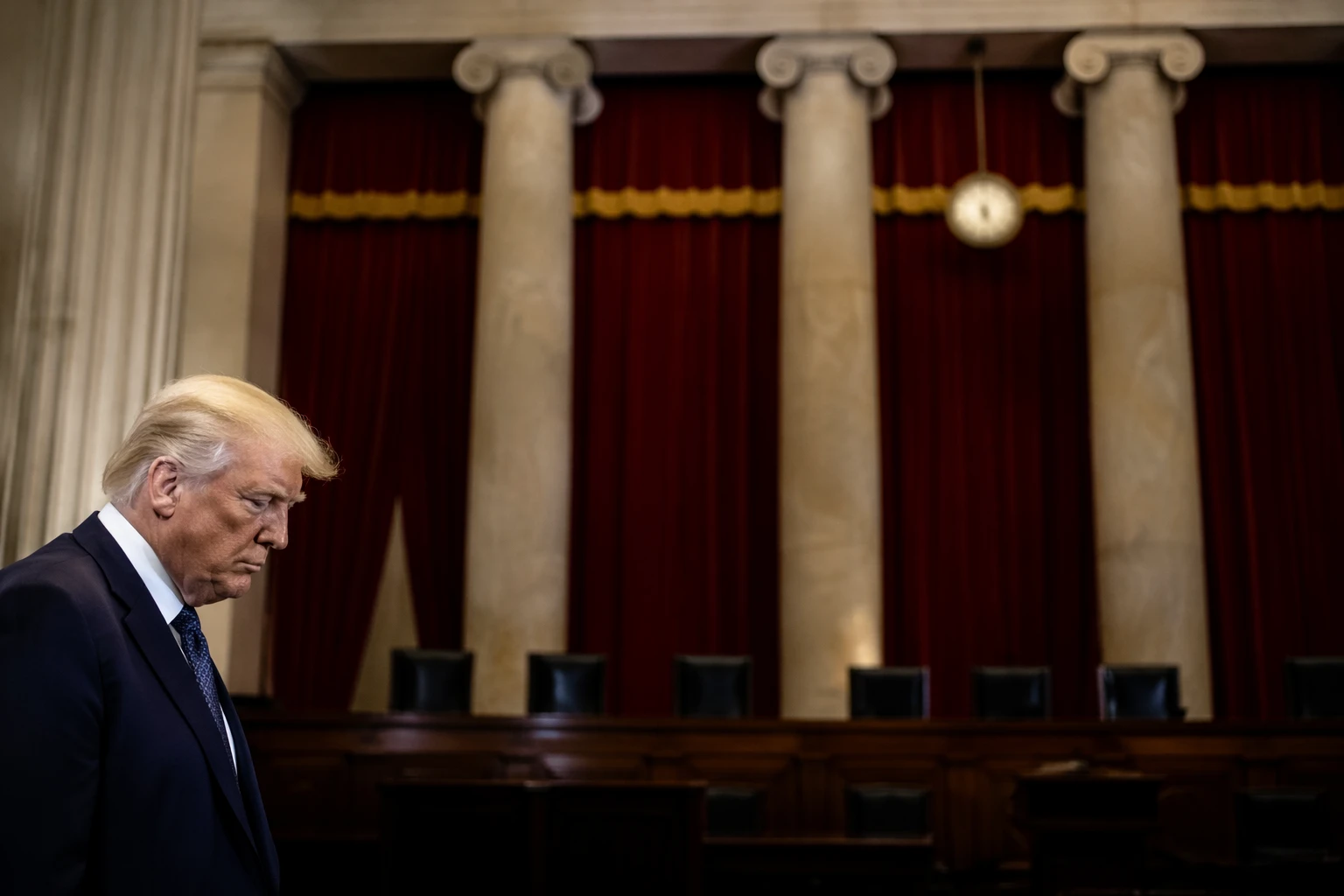
Taken together, those rulings show the limits of Trump’s authority when he pushes against institutions that have their own statutory or constitutional boundaries. They also show the court is willing to draw lines against him in the moment, even as it leaves room for a more conservative account of executive power over the long term.
Conservative wins that will shape daily life
The term did not stop with Trump’s losses. It also produced major conservative victories on immigration, elections and social issues, reinforcing a pattern that reaches beyond one president’s agenda. Several of those outcomes will be felt in ordinary settings: schools, campaigns, courthouses and state agencies.
One of the clearest examples came in the court’s decision allowing states to ban transgender student athletes from women’s sports teams. That ruling gives states more authority to regulate participation in school athletics, and it will affect students, parents, coaches and school districts wrestling with questions of fairness, identity and access. It is a direct illustration of how the court’s social-issue docket is reshaping daily life far from Washington.
The court also struck down some campaign-finance limits, another result that will ripple through politics long after the term ends. By loosening restrictions on political money, the justices changed the rules for donors, candidates and advocacy groups, and they did so in a way that fits the court’s broader conservative project of narrowing federal regulation.
Those cases sit alongside the court’s work on elections and immigration, where the term likewise favored conservative outcomes. The result is not just a list of winners and losers, but a durable legal shift: more power for states in social disputes, less room for federal or judicial controls that conservatives view as overreach, and a more constrained path for challengers who want courts to halt national policy in one stroke.
A term that checked Trump and strengthened the movement behind him
The term’s biggest lesson is that the court can do both things at once. It can deny Trump the specific relief he wants in a high-profile fight, as it did on birthright citizenship, tariffs and Lisa Cook, while still building a legal structure that favors conservative goals for years to come.
That is why the nationwide-injunction ruling may prove as important as the flashier merits decisions. It changes how executive power gets challenged, who can stop it, and where the battle has to be fought. For Trump, the court was not an all-purpose ally. For the conservative legal movement, it was something closer to a long game victory: a Court that is still willing to check a president, but increasingly on terms that strengthen the presidency, limit lower-court resistance and leave states freer to advance conservative policies on their own.
Sources
- [1]nytimes.com
- [2]apnews.com
- [3]scotusblog.com
- [4]supremecourt.gov
- [5]cbsnews.com
- [6]nbcnews.com
- [7]cnn.com
- [8]washingtonpost.com