Politics
Supreme Court term to tackle guns, voting, Trump immigration cases
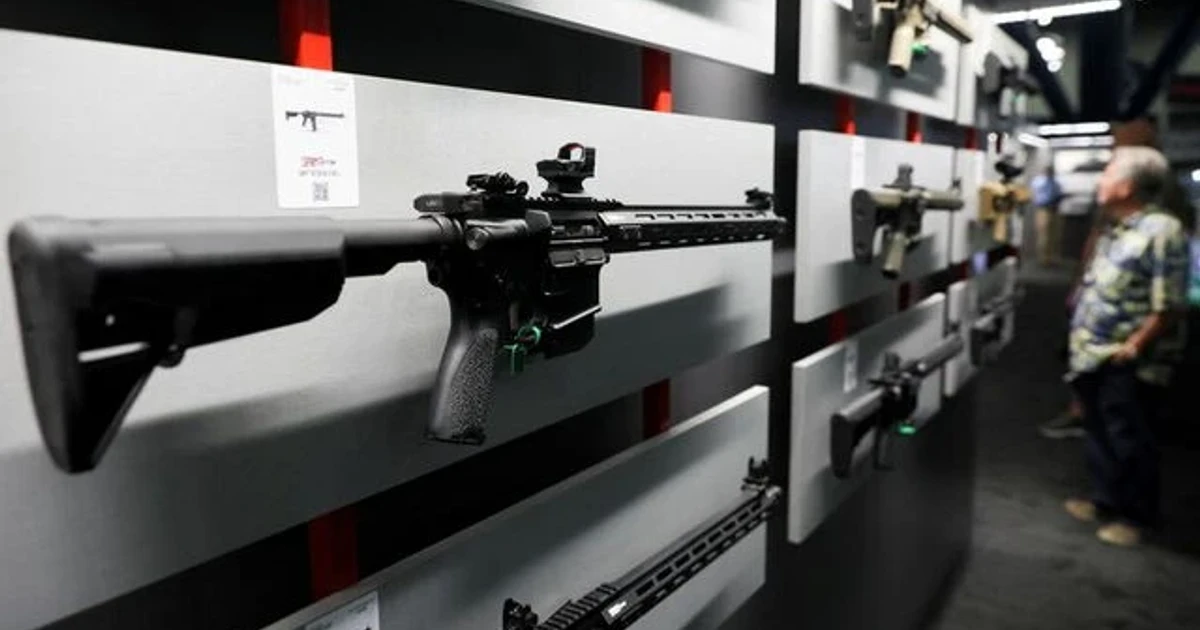
The Supreme Court agreed on June 30 to hear two challenges to assault-weapon bans in Cook County, Illinois, and Connecticut, putting AR-15 restrictions at the center of its next term. The cases, Viramontes v. Cook County and Grant v. Higgins, are expected to be argued together in the fall, as the court opens October Term 2026 under its traditional first-Monday-in-October schedule.
The gun cases arrive after the justices already signaled where the law may be headed. In a separate Maryland dispute, Justice Brett Kavanaugh wrote that the court “should and presumably will address the AR-15 issue soon, in the next Term or two.” The U.S. Court of Appeals for the 7th Circuit had upheld a similar ban in Bevis v. City of Naperville, and four federal appeals courts have now sustained assault-weapon prohibitions since the court’s 2022 ruling that modern firearm regulations must fit the nation’s historical tradition of gun control. The bans at issue cover AR-15s and other semiautomatic rifles that have been used in mass shootings, including the attack at Sandy Hook Elementary School.
The same docket reaches well beyond guns. The court’s June 30 granted-and-noted list for October Term 2026 includes Suncor Energy (U.S.A.) Inc. v. Commissioners of Boulder County, RiseandShine Corp. v. PepsiCo, Inc., and Apple Inc. v. Epic Games, Inc., reflecting a term that will also test the reach of environmental litigation, trademark law and antitrust enforcement. That mix comes as the justices continue to shape American law during a 6-3 conservative era that has moved the court steadily to the right.
Voting and identity rules remain another flashpoint. The central precedent is still Crawford v. Marion County Election Board, the 2008 Indiana voter-ID case, and the fight over ballot access is already linked to Congress through the SAVE Act, which passed the House in February 2026 before a Democratic filibuster stalled it in the Senate in March. Any new ruling in that area would land in the middle of an election year argument over who can vote and what paperwork is required to do it.
The court is also moving deeper into social policy and immigration detention. In West Virginia v. B.P.J., the justices ruled that states may exclude transgender athletes from girls’ and women’s sports teams, a decision that gives state lawmakers more room to regulate school sports. On immigration, the Trump administration’s detention system still runs through roughly 200 facilities, detains more than 60,000 people a day, and has nearly $75 billion in detention-and-enforcement funding through September 2029. With more litigation expected from that system, detention policy is likely to return to the court as Trump-era enforcement cases keep working their way back toward Washington.
Sources
- [1]usnews.com
- [2]kfgo.com
- [3]scotusblog.com
- [4]supremecourt.gov