Politics
Supreme Court to hear Arizona voting rules fight over citizenship proof
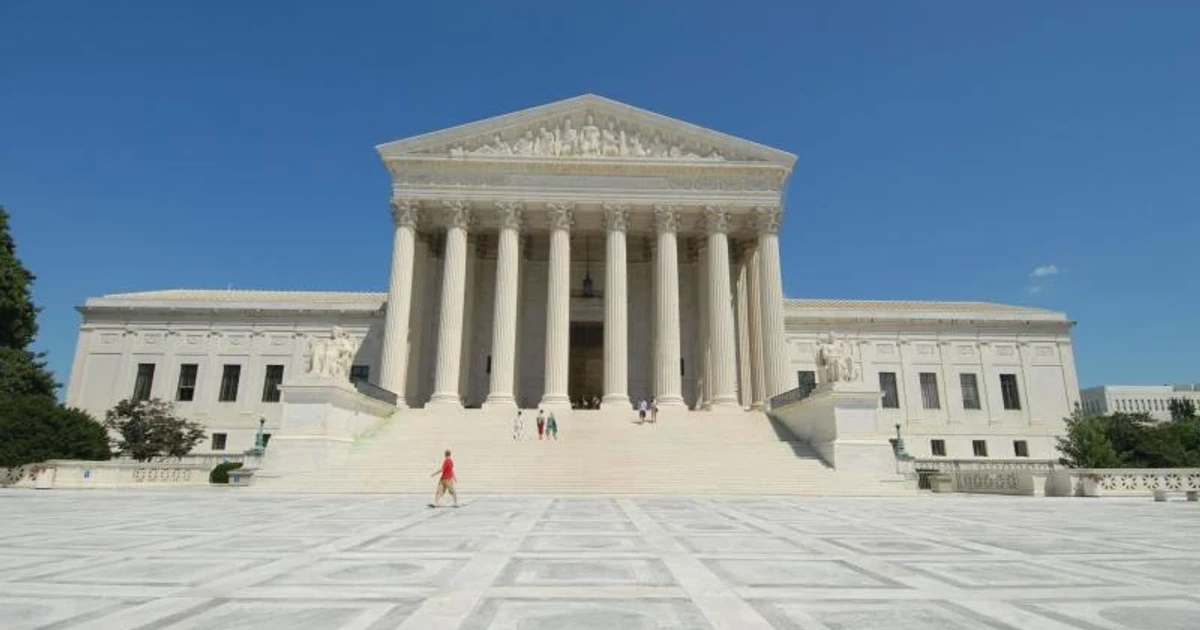
The Supreme Court agreed to decide whether Arizona can require documentary proof of citizenship on its own state voter registration form. At the center of the dispute is Arizona’s long-running proof-of-citizenship regime. Voters there approved Proposition 200 in 2004, and the measure required proof of citizenship to register to vote. In 2013, the Supreme Court held in Arizona v. Inter Tribal Council of Arizona that Arizona could not demand documentary proof of citizenship from applicants who used the federal voter registration form, because the National Voter Registration Act requires states to accept and use that form for federal elections.
The new fight grew out of later efforts to restore and expand those requirements through Arizona’s own state registration system. In August 2024, the Supreme Court partially allowed Arizona to keep enforcing proof-of-citizenship rules for state voter forms while related litigation continued. That ruling left Arizona with two separate voter rolls: a full-ballot roll for voters who can cast ballots in federal, state and local elections, and a federal-only roll for voters limited to U.S. House, Senate and presidential races unless they provide documentary proof of citizenship.
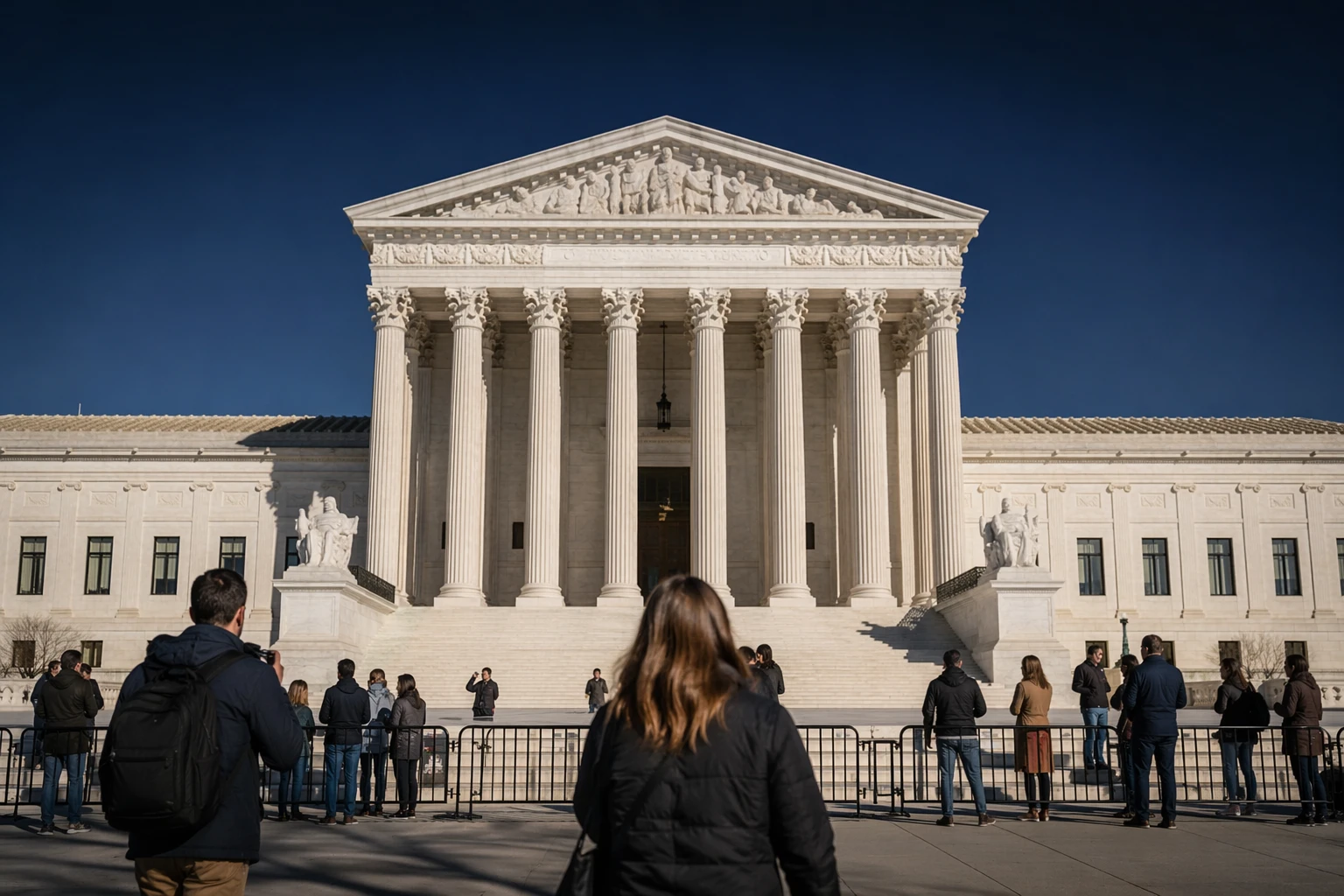
Supporters of the law argue the requirement helps combat voter fraud and preserve election integrity. Opponents, including civil-rights groups, argue noncitizen voting is exceedingly rare, that federal applicants already sign under penalty of perjury that they are U.S. citizens, and that Arizona’s approach suppresses eligible voters while weakening the National Voter Registration Act.
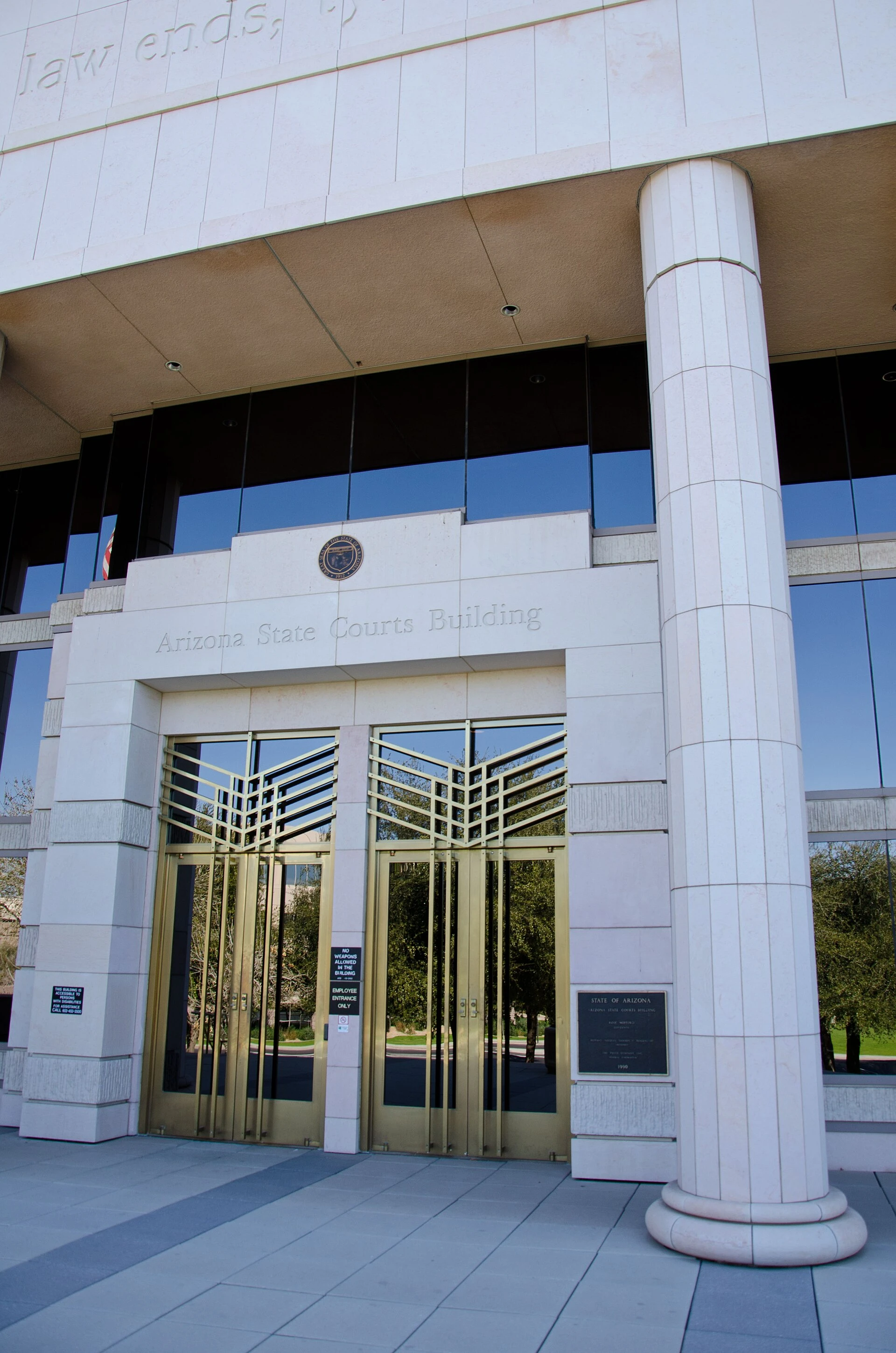
The Trump administration backed Arizona’s law as a lawful way to combat voter fraud. The case is expected to be argued in the court’s next term, which begins in October.
Sources
- [1]cbsnews.com
- [2]law.cornell.edu
- [3]tile.loc.gov
- [4]aclu.org
- [5]lwv.org
- [6]usnews.com
- [7]democracydocket.com
- [8]scotusblog.com