Politics
Supreme Court upholds birthright citizenship, allows transgender sports bans
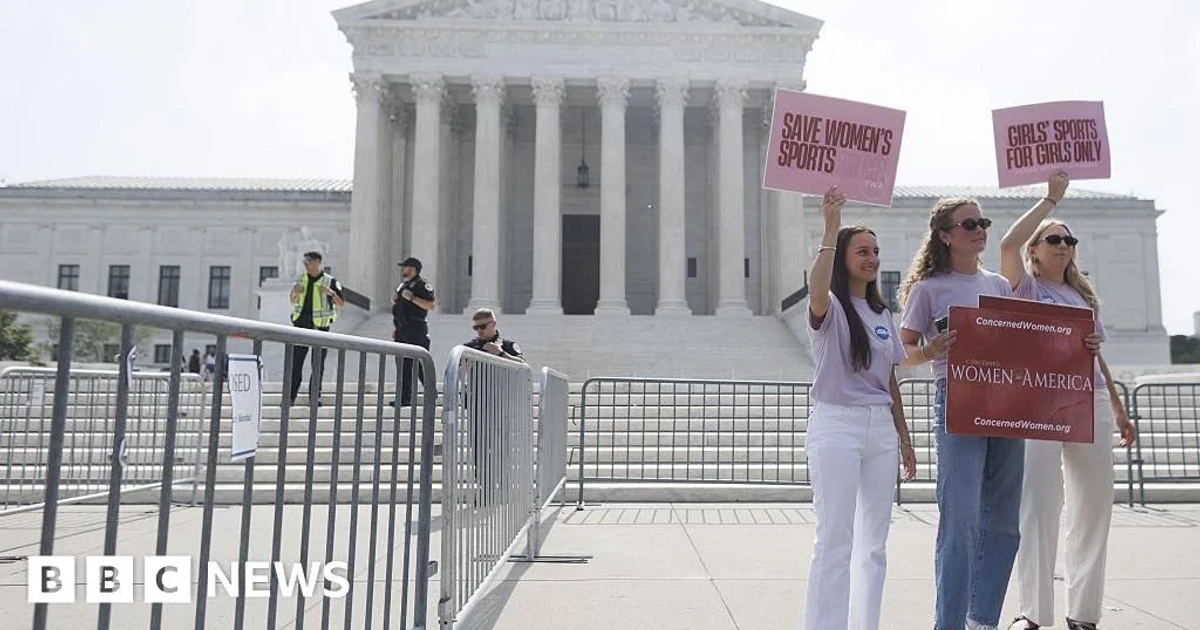
In Trump v. Barbara, the justices held 6-3 that children born in the United States to parents unlawfully or temporarily present are citizens at birth under the 14th Amendment. On the court’s final opinion day of the 2025-26 term, they also cleared the way for state bans on transgender girls in girls’ sports.
Chief Justice John Roberts wrote the majority opinion, Justice Jackson wrote a concurrence joined in part by Justice Sotomayor, and Justices Thomas and Gorsuch dissented. Justice Kavanaugh wrote separately, joining the judgment in part and dissenting in part. The challenge was brought by the American Civil Liberties Union, the ACLU of Maine, the ACLU of Massachusetts, the ACLU of New Hampshire, the Legal Defense Fund, the Asian Law Caucus and the Democracy Defenders Fund on behalf of children who would have been denied citizenship under Donald Trump’s 2025 executive order.
In West Virginia v. B.P.J. and Little v. Hecox, the justices reversed lower-court wins for transgender students and ruled that Title IX and the Equal Protection Clause do not bar states from excluding transgender girls from girls’ sports teams. Justice Brett Kavanaugh wrote the majority opinion, with Justices Thomas and Gorsuch concurring and Justices Sotomayor, Kagan and Jackson partially dissenting. The cases were argued in January 2026, and the ruling left intact laws in West Virginia and Idaho that define teams by biological sex.
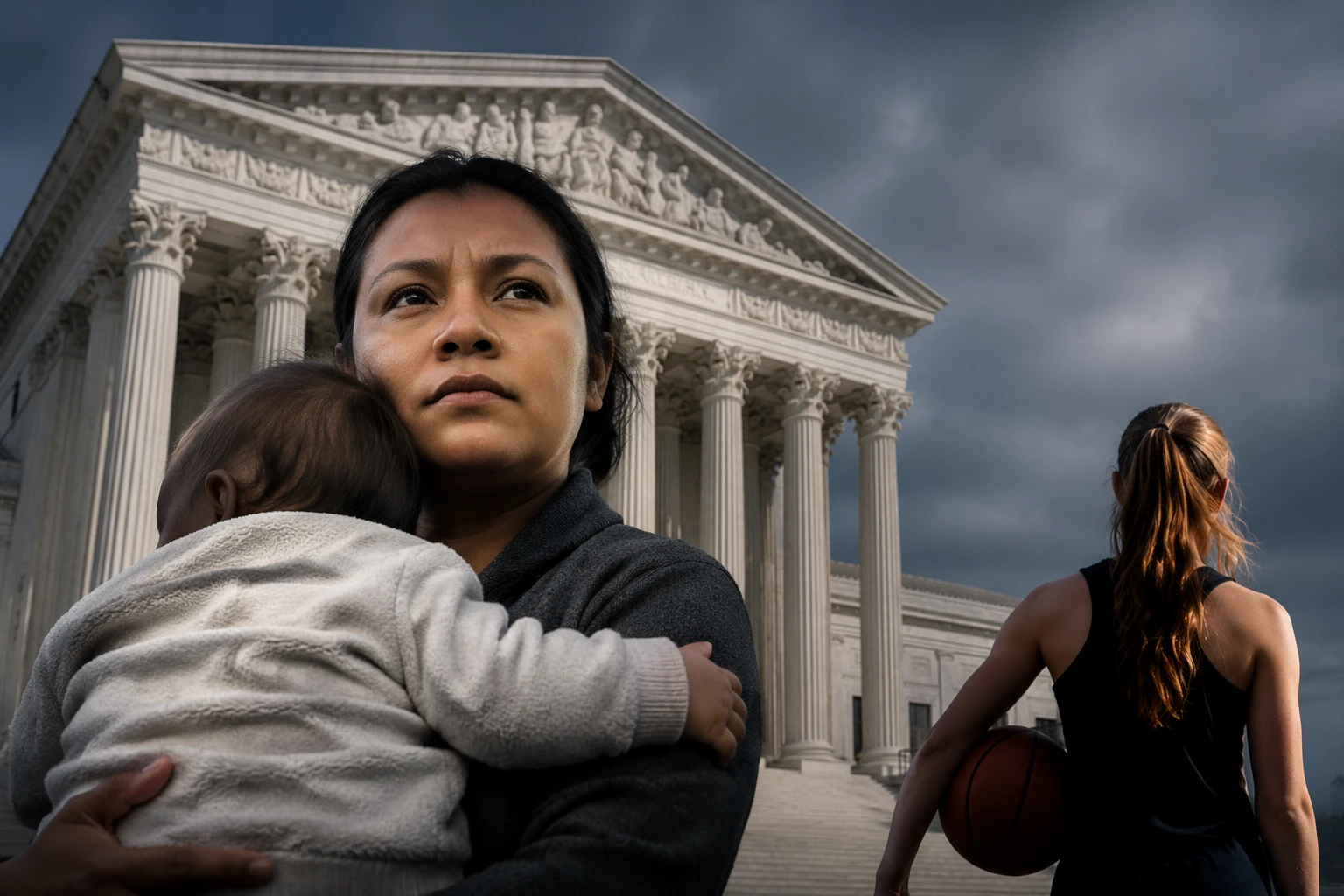
Reuters counted 25 other states with similar laws. Idaho was the first state to pass such a law, and roughly half the states have also enacted restrictions on certain medical treatments for minors experiencing gender dysphoria.
The ACLU called the citizenship ruling a major victory and said the Constitution, not the president, defines citizenship. Trump attacked the sports ruling on social media as a “BIG WIN” for banning men in women’s sports. The National Center for LGBTQ Rights called the transgender-athlete decision “a setback, not the final word,” and said the opinion was narrow enough to leave room for states and schools to adopt case-by-case policies instead of blanket bans.
Sources
- [1]cbsnews.com
- [2]scotusblog.com
- [3]usnews.com
- [4]aclu.org
- [5]nclrights.org